
7 Landscaping Rules For Dealing With Trees
Most people know the basics when it comes to tree care, like don't plant too close to the house, don’t hack at branches randomly, and don’t pile mulch against the trunk. However, when it comes to landscaping and actually dealing with a tree as part of your property, there's a lot more to consider. Here are some specialty landscaping rules to follow when dealing with trees on your lot.
Watch the Wind Patterns

Before planting a tree, take note of how wind moves through your yard. Wind exposure affects how a tree grows and where it drops debris. Some trees even bend over time if they're regularly pushed from one direction, others become more brittle. Position new trees where they won’t funnel wind toward your home or break any privacy barriers, like fences or hedges. Understanding your yard’s wind flow can help prevent storm damage and uneven tree growth later on.
Use Proper Watering Techniques

Tree roots don't need to be watered every time you water your lawn. In fact, frequent shallow watering encourages weaker surface roots. Instead, water trees more deeply but less often, and aim for the area beneath the canopy edge, not right at the trunk. Use a soaker hose if possible. This helps build deeper roots, makes the tree more drought-resistant, and helps avoid root rot near the base.
Avoid Soil Compaction
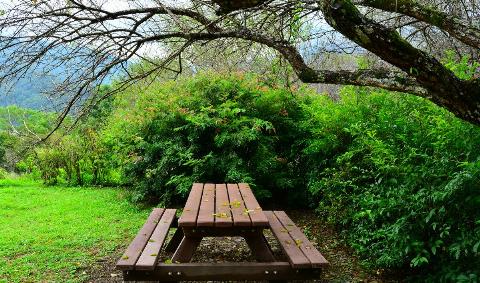
The ground under a tree often seems like the perfect place for patios, seating areas, or walking paths, but repeated foot traffic can compact the soil, squeezing out the air tree roots need. Over time, this will weaken the tree's health. If you want to use the space under a tree, install stepping stones with gaps or mulch pathways to help reduce the pressure on the soil. The roots will breathe better and grow stronger for it.
Leave the Leaf Litter (Sometimes)

Fallen leaves might look like just a mess, but for trees, they're part of a natural cycle. When appropriate, let leaves decompose under the tree. They help return nutrients to the soil, protect roots, and support certain insect species by giving them shelter and food. This is especially useful for mature trees in out-of-the-way parts of your yard. Just make sure the layer isn’t too thick and that you’re not encouraging pest infestations.
Plan for Storm Fallout

Even healthy trees can drop branches during storms, especially after drought or in windy climates. Walk your yard and picture where a large limb might fall. Is it above your grill, play area, or shed? If so, consider pruning or rethinking what you put in that 'danger zone.' You can’t stop nature, but you can design your space with potential impact in mind and help mitigate potential damage.
Avoid Overcrowding the Canopy

When planting multiple trees, don't just measure trunk-to-trunk spacing. Consider how the canopies will spread as the trees mature. Trees crammed together will compete for light and air, leading to uneven growth, more pruning needs, and sometimes early decline. Plan for the shape of the trees ten years from now, not just how they look in the moment.
Use Trees to Shape Microclimates

Trees aren't just decoration, they impact and influence temperature, moisture, and wind across your yard. With smart placement, you can create areas where certain plants thrive better. A tree near a vegetable bed can shield it from harsh afternoon sun. A line of evergreens can block winter winds from your home. Don’t just think of trees as individual features, think of how they change the conditions around them, and design your landscape to take advantage of that.
There's a lot more to managing trees than planting and pruning. Trees affect everything around them, from light, to soil, to airflow, and even how you use your space. When you start paying attention to the less obvious impacts, you’ll find it’s easier to create a yard that works better for you in the long run. Use these rules to get ahead of problems and build a landscape that’s not only beautiful, but built to last.