
7 Plant Pairings You Should Never Grow Together
Starting a garden is an exciting journey of growth and patience, but many new gardeners don't realize that plants have personalities and preferences just like people. Some species are simply incompatible due to their chemical outputs or resource needs. If you've ever wondered why one plant thrived while its neighbor withered, you might have accidentally put some plant enemies side-by-side. This guide explores some pairings you should avoid to ensure your garden remains productive.
Carrots And Dill

Dill and carrots are cousins, but they shouldn't live together. They can cross pollinate, which often results in weirdly flavored seeds and unpredictable growth patterns in future seasons. More importantly, dill can attract certain pests that love to snack on carrot tops. While some people think they look nice together, the competition for space and the risk of attracting the wrong insects makes this a pairing that you're better off avoiding entirely.
Beans And Garlic

Beans and garlic are a classic example of a bad match. Garlic, along with onions and chives, produces substances that can stunt the growth of legumes. If you plant them together, your bean stalks will likely be spindly and yield very little fruit. While garlic is great for repelling pests elsewhere, its chemical signature is too aggressive for sensitive bean roots.
Fennel And Everything Else

Fennel is the lone wolf of the vegetable garden. It's actually allelopathic, which means it releases chemicals into the soil that inhibit the growth of most other plants. It can stunt or even kill neighboring herbs and vegetables. Most experienced gardeners recommend giving fennel its own dedicated pot or a remote corner of the yard. If you want a successful garden, don't force fennel to play nice with others, it just won't.
Tomatoes And Potatoes
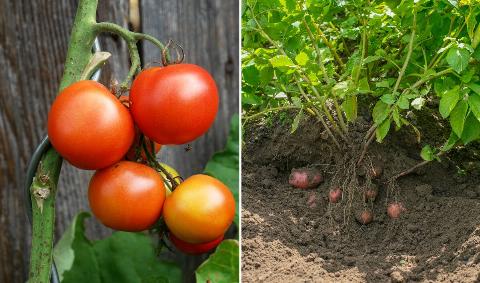
You shouldn't plant tomatoes and potatoes in the same bed because they're part of the same family. Since they share a common lineage, they're susceptible to the same blights and pests. If one gets sick, the other will likely follow quickly. They also compete fiercely for the same soil nutrients. It's much better to keep them in separate areas to prevent a single disease from wiping out your entire harvest in one go.
Mint And Most Herbs

Mint is an incredibly aggressive spreader that doesn't respect any other plant's boundaries. If you plant it directly in the ground next to delicate herbs like cilantro or parsley, the mint will take over within a single season, as it uses its runners to choke out the root systems of nearby plants. You'll have much better luck keeping your mint confined to its own container.
Black Walnut Trees And Vegetables

You've got to be careful if you have a black walnut tree nearby. These trees produce a toxic substance called juglone in their roots, leaves, and bark. Most vegetable plants, especially tomatoes and peppers, are highly sensitive to it. If you try to garden under or near a walnut tree, your plants will yellow and die. The toxin stays in the soil for years, so it's best to build raised beds with barriers if you're looking to garden around one of these trees.
Corn And Tomatoes

Corn and tomatoes are both targets for the same destructive pest known as the corn earworm or the tomato fruitworm. When you plant them side by side, you're essentially setting up an all you can eat buffet for these larvae, making pest management much harder than it needs to be. Additionally, both plants require massive amounts of nitrogen from the soil. They'll end up fighting over food, leaving both crops looking quite thin.
Creating a harmonious garden is all about understanding the natural boundaries each plant requires. By avoiding these common pairings, you're giving your green space the best chance to flourish without added stress. Gardening is a learning process, and every season offers a fresh start to try new layouts. Don't be discouraged if you've made these mistakes before. Now that you know better, your future harvests will surely be more abundant and healthy.