
Don’t Plant Your Tomatoes Too Early, Here’s The Right Time To Do It
When you're planning a veggie garden, no matter how many veggies it'll contain, i's easy to get ahead of yourself when the first warm breeze hits. You've got your seeds ready, your garden beds cleared, and you're ready to jump right into it, but what you actually need right now is patience. Today we'll be focusing on tomatoes, explaining why you shouldn't plant them too early and when the right time to plant them actually is.
Dangers Of Chilly Soil

Tomatoes are a very weather-sensitive plant. If the ground temperature hasn't reached at least 60 degrees, the roots won't grow. They'll just sit there and rot in the damp earth. So while it's tempting to jump right into planting as soon as you can, cold soil will shock a plant's system, especially for tomatoes. This stress can also linger for weeks, even after the weather finally warms up. Wait until the soil feels consistently lukewarm, including overnight.
Watching Nightly Lows

Speaking of, daytime temperatures are a bit of a trap for gardeners if that's what you're basing your planting temperatures on. It's the overnight lows that really matter. If the thermometer dips below 50 degrees at night, your tomatoes will stop growing entirely. They might even turn a sickly purple color, a sign of phosphorus deficiency caused by the cold. Check your local ten day forecast and ensure those nighttime numbers stay consistently high before you move them outside.
The Final Frost Date

Every region has a predicted date for the last spring frost. It's a helpful guide to reference, but it isn't a guarantee. Smart gardeners usually wait two weeks past this date just to be safe. You never know when Mother Nature will throw a curveball with a late season freeze. If you've already planted, you'll be out there at midnight with blankets and plastic bins to keep your seedlings warm. Save yourself the stress and give it those few extra weeks.
Hardening Off Your Seedlings
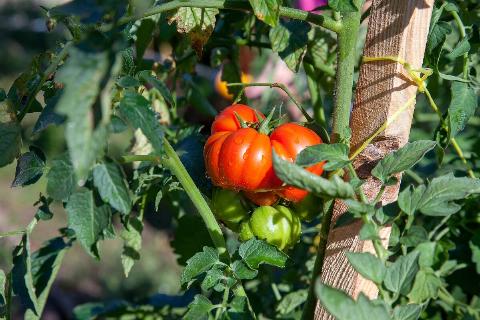
You can't just take a plant from a warm windowsill and stick it in the ground. It needs a transition period called hardening off. Start by putting them outside in a protected spot for an hour, then gradually increase their time in the sun and wind over the course of a week. This toughens their outer skin. If you skip this step, the sun will scorch the leaves and the wind will snap the stems of your delicate house plant.
Recognizing True Signs Of Spring

Nature often gives better cues than a calendar does. Keep an eye on the trees and flowers in your neighborhood. When you see lilacs in full bloom or oak leaves the size of a squirrel's ear, the soil is usually ready. These more natural indicators respond to the actual heat accumulation in the environment. It's a reliable way to gauge the season without relying solely on a weather app that might be wrong.
Planning For Maximum Sunlight

Tomatoes are sun worshippers through and through. They need at least eight hours of direct light to produce sugar and fruit. When you're deciding on the right time, also consider the angle of the sun. Earlier in the spring, shadows from fences or trees are longer. Waiting a few weeks ensures the sun is higher in the sky, and this extra light gives your plants the energy they need to grow tall and strong.
Choosing The Right Variety

Not all tomatoes have the same internal clock. If you live in a cooler climate, look for "early season" varieties. These are bred to fruit faster and handle slightly cooler air. If you're in a hot area, you've got more flexibility. However, even the toughest variety won't survive a surprise frost, so match your planting date to the specific days to maturity listed on your seed packet. It helps you plan the whole summer harvest.
Taking your time ensures your tomato garden starts on a winning note. It's better to have a plant that takes off in June than one that struggles and dies in May. Gardening is a long game, and your patience will be rewarded with heavy vines and delicious fruit later this summer. You've got this, and your plants will thank you for the wait.