
The 10 Worst Weeds To Find In Your Garden (And How To Deal With Them)
Weeds aren't just a minor nuisance or an eyesore among your lawn. Left alone, they compete with your plants for space, water, and nutrients, with some even damaging structures or attracting pests. This guide will walk you through ten of the most stubborn, fast-spreading weeds and give you advice on how to keep them in check.
Bindweed

Bindweed looks delicate, but it's one of the toughest garden weeds out there. With deep roots and fast-growing vines, it wraps around plants and chokes them out. It's also nearly impossible to pull out completely in one go. To manage it, cut the vines low and often to starve the roots. Avoid tilling the soil, as that will spread root fragments and cause more to start sprouting. You can also spot-treat with an herbicide, but either way, patience and consistency is key either way.
Crabgrass

Crabgrass shows up in summer and spreads quickly across open soil or weak patches in your lawn. It thrives in heat and bare spots, forming wide clumps that smother other plants. Prevent crabgrass from ever sprouting by using a pre-emergent weed killer in early spring and by keeping your lawn healthy and dense. If it's already growing, pull it by hand before it goes to seed, or spot-treat with a selective herbicide.
Nutsedge
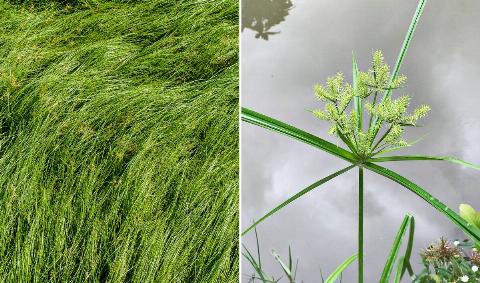
Often mistaken for standard grass, nutsedge grows taller and faster, with a slick, shiny look and triangular stems. It spreads by underground tubers called nutlets, which makes it hard to remove by hand. Digging can just spread it further. To control nutsedge, use a sedge-specific herbicide and mow high to shade it out. Improving drainage also helps since nutsedge prefers damp, poorly drained areas.
Canada Thistle

Canada thistle grows in colonies and sends up spiny, aggressive shoots that can quickly take over a garden. Its deep, spreading roots make it hard to eliminate completely too. Repeatedly cutting the tops down will help weaken the root system over time, but persistence really is key. For larger infestations, applying a systemic herbicide that travels down into the root can be more effective. Don't let it flower or seed, you’ll be dealing with it for years
Purslane

Purslane is a low-growing weed that spreads quickly and thrives in poor soil. It can root from broken stems and even survive for days out of soil. Hand-pulling is possible, but you have to get the entire plant and remove it from the garden entirely. Don't compost it. Mulching your beds well can help block its growth, and keeping your soil healthy and well-fed will make it harder for purslane to move in.
Creeping Charlie (Ground Ivy)

Creeping Charlie forms dense mats and spreads by both seed and creeping stems. It likes moist, shady areas and can be hard to notice until it's already well established. Hand-pulling works for small patches, but be thorough. For larger areas, use a broadleaf herbicide in the fall when the plant draws nutrients back to its roots. Don’t mow too short, as a healthier lawn can resist its spread more effectively.
Johnson Grass

This tall, fast-growing grass spreads through both seed and rhizomes. It takes over quickly and can smother crops and plants alike. Digging it out usually isn't enough, as the roots break off easily and regrow. Mowing often helps reduce its strength, and you can follow up with a grass-targeted herbicide. Monitor your garden regularly, especially in warm weather, to catch and remove new growth early.
Dandelions

While some people like their look, dandelions are persistent and spread easily by wind-blown seeds. Their deep taproots make them tricky to pull too. If pulling by hand, use a weeding tool to get as much of the root as possible. For lawns, keep the grass thick and healthy to outcompete new seedlings. You can also apply a broadleaf herbicide in early fall, when the plant is storing up nutrients for winter.
Quackgrass

Quackgrass looks like regular grass but spreads aggressively through underground rhizomes. If you pull it, any root pieces left behind will simply regrow. This makes digging it up a frustrating job. The best option is to smother the area with layers of cardboard and mulch, or use a non-selective herbicide for severe cases. Avoid tilling soil where it grows. Prevent its return by planting ground covers or thick crops that shade the soil the quackgrass is active in or encroaching upon.
Chickweed

Chickweed thrives in cool, moist weather and can sprout even in winter. It grows low and fast, forming thick patches that crowd out other plants. The good news is it pulls up easily by hand, especially in damp soil. Don't let it go to seed, though, or it will return quickly. Keep beds weeded, mulched, and well-drained to limit its spread. A healthy, full garden gives it less room to take hold.
Weeds are frustrating, but they're not unbeatable. The trick is knowing what you’re dealing with and acting early one you spot it. Stay alert, be consistent, and don’t rely on one method alone. Combine hand-pulling, soil care, mowing, and selective treatments to stay ahead. Your garden will thank you for it, and with time, you’ll spend less effort fighting weeds and more time enjoying the plants you actually want to grow.