
The 8 Most Dangerous Places To Camp In The USA
Camping, though a lovely hobby that allows us to get more in touch with nature, isn't always safe. Some campgrounds carry risks that go beyond the usual worries of weather or wildlife. Harsh landscapes, unpredictable conditions, and remoteness can turn a fun trip into a dangerous situation in an instant. Knowing where these areas are and what makes them risky helps you make better choices, prepare thoroughly, and stay safe. Here are ten of the most dangerous places to camp in the United States.
1. Death Valley, California

Sporting an apt name, Death Valley holds the record for the hottest temperatures on Earth. Daytime heat can soar past 120°F, making it life-threatening if you're not properly prepared. There’s little water, little shade, and long distances between help. Even with modern gear, heatstroke and dehydration are real risks. Camping here requires extreme caution, large amounts of water, and strict planning. And in that heat, how much fun would you really be having?
2. Great Smoky Mountains, Tennessee and North Carolina

The Smokies are the most visited national park in the country, but behind their popularity hides the dangers. Dense forests, heavy fog, and frequent sudden storms can quickly leave you lost. Black bears are common and food storage rules must be followed very closely. Not to mention that the steep, slick trails cause accidents every year. For all its beauty, the Smokies demand respect and a dedicated awareness of your surroundings. It's not for casual campers.
3. Glacier National Park, Montana

Glacier National Park is breathtaking, but it's also grizzly bear country. Campers here share the land with some of the largest predators in the lower 48 states. Beyond the bears, the sudden snowstorms, avalanches, and freezing nights even in summer add to the pile of risks involved. The rugged terrain and isolation mean that if something goes wrong, help can take a long time to arrive, perhaps too long.
4. Mount Rainier National Park, Washington
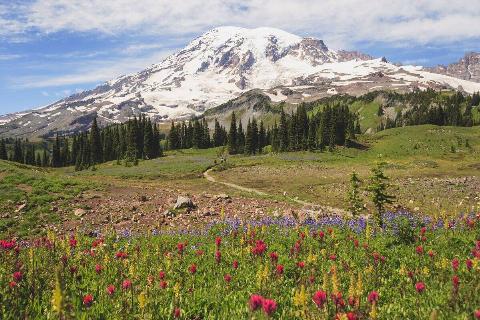
Mount Rainier is a sleeping volcano covered in glaciers, and camping nearby has unique risks. Unpredictable weather, fast-changing snow conditions, and the chance of landslides or sudden glacial outbursts make it treacherous. Even in summer, you could still get hypothermia, and rescue efforts are complicated by steep, icy slopes. It's a stunning location, but one where knowledge of mountain safety is critical.
5. Canyonlands National Park, Utah

Canyonlands is remote, dry, and harsh. Summer heat is brutal, water is scarce, and trails often lead through rugged terrain that can leave campers stranded. Flash floods pose extreme dangers in the narrow canyons, sweeping through without warning. Cell service is limited, and rescues are challenging, especially after storms. This park's dramatic beauty draws plenty of visitors, but those who come unprepared can quickly find themselves in serious trouble.
6. Denali National Park, Alaska

Denali is home to North America's tallest mountain, and its wild landscape is unforgiving. Weather changes in minutes, dropping from sunny skies to blizzards before you have time ti prepare. Wildlife like grizzlies and moose add to the risk as well. The park’s sheer size and remoteness mean help is rarely close by. Even the lower elevations can be dangerous, and campers here need real wilderness skills to stay safe.
7. Big Bend National Park, Texas

Big Bend combines desert heat with rugged isolation. Summer temperatures can climb dangerously high, while winter nights drop below freezing. There's little cell service, few water sources, and the park’s remoteness makes rescue difficult. Campers also need to watch for rattlesnakes and mountain lions. This mix of extremes makes it one of the harshest camping environments in the southern United States, certainly not for the faint of heart.
8. Black Canyon of the Gunnison, Colorado

The Black Canyon is one of the steepest, most dramatic canyons in the country. Its sheer cliffs, loose rock, and difficult trails make it an extremely dangerous place to camp. Weather changes fast, and accidents in this unforgiving terrain can quickly become deadly. The isolation and technical challenges mean this area is best left to highly skilled campers and climbers with solid experience.
Camping in dangerous places doesn't always mean avoiding them completely. Many people enjoy these wild areas safely every year. The key is knowing the risks, respecting the environment, and always preparing for the worst. From extreme heat to sudden storms, from wildlife to remoteness, the United States has landscapes that demand your full attention. But, with the right knowledge and prep, you can admire these places without becoming an example of their danger.