
The Best Plant Covers For Protecting Your Garden Over Winter
Winter can be hard on a garden. Freezing temperatures, wind, and heavy snow can quickly undo all the work you put in during the growing season. The good news is, there are ways to protect your plants and help them make it through the cold months. Choosing the right kind of cover for your plants is relatively simple and well worth the time. Below are five practical, reliable options for shielding your garden from winter damage.
Frost Blankets

Frost blankets are lightweight, breathable fabrics designed to trap heat while allowing light and moisture to pass through. They're perfect for delicate flowers, herbs, and young vegetables. These blankets are easy to drape over plants and secure with landscape pins or even rocks. They're good for protection from light frosts and sudden cold snaps. For best results, lay them out before the first freeze and remove them during warmer daytime temperatures to prevent overheating.
Cold Frames

Cold frames are low, box-like structures with clear tops, usually made from old windows or polycarbonate panels. They create a mini greenhouse effect, keeping temperatures more stable and allowing cool-weather crops to keep growing. They're ideal for leafy greens, herbs, and seedlings. You can build one yourself, but there are also plenty of pre-made frames out there. Use them on raised beds or directly over the soil.
Burlap Wraps

Burlap is a tough, breathable fabric that protects against windburn and harsh sun while still allowing air to circulate. It's commonly used for evergreens, shrubs, and young trees. Wrap the burlap loosely around the plant, or build a simple frame around it and cover that. This helps prevent branches from drying out and cracking under snow or ice. Burlap is especially helpful for plants in exposed areas with strong wind or sun reflecting off snow.
Plastic Cloches
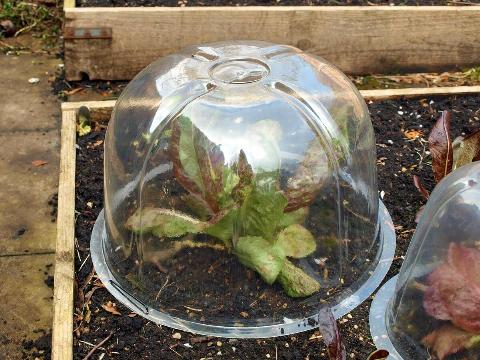
Plastic cloches are small, dome-shaped covers that act like mini greenhouses, like a cold frame but on a much smaller scale. They're best for protecting individual plants from frost, snow, and pests. You can find them in garden stores, or make your own from milk jugs, soda bottles, or storage containers with holes punched for airflow. Use cloches for plants that are low to the ground or newly planted.
Use Mulch

Mulch might not look like a cover, but it's one of the most effective ways to shield roots from freezing temperatures. A thick layer of straw, shredded leaves, pine needles, or bark can insulate the soil and help regulate temperature and moisture levels. Use it around the base of perennials, trees, and shrubs. Mulch also helps prevent the ground from thawing and refreezing, which can damage roots. Don’t pile it directly against stems or trunks to avoid rot issues.
Winter doesn't have to mean the end of your garden's hard-earned success. With some thought, planning, and the right type of cover, you can protect your plants and set them up for a strong comeback in spring. Focus on what your garden needs most, whether it's warmth, wind protection, or moisture control. Taking these steps now means you’ll spend less time replanting later and more time enjoying your garden next year.