
These 10 Flowers Will Attract Wasps To Your Yard
Wasps can be beneficial in the ecosystem, but that doesn't mean you want them hovering near your patio or setting up shop under your eaves. For many people, especially those with kids or pets, wasps are more of a problem than a perk. One of the most common ways people attract them without realizing it is through their garden. If you're trying to avoid wasps, it’s best to think twice about planting these flowers.
Sweet Fennel

Fennel is more than just a kitchen staple. When it flowers, it sends up broad, yellow clusters that are highly attractive to nectar-loving wasps. Its strong scent and easy landing space make it a wasp magnet during blooming season. If you're hoping to keep wasps at bay, fennel isn’t your friend. Consider growing it indoors or harvesting it before it flowers to limit wasp activity near your home.
Yarrow

Yarrow's wide, flat flower heads offer the perfect buffet for wasps. Its long bloom time and tough nature mean it often sticks around all throughout summer and into fall, drawing in wasps over the long haul. While it's a popular choice for low-maintenance landscaping, its wide open blooms are easy access for wasps. If you want less buzzing and fewer stings, it’s better to avoid planting this one near walkways or outdoor seating areas, if at all.
Goldenrod

Goldenrod blooms late in the season, just when wasps are searching hardest for nectar. This timing makes it especially attractive to both social and solitary species. Though goldenrod supports many pollinators, it also encourages large gatherings of stinging insects. If you have a goldenrod patch near the house or a play area, expect some unwelcome attention. Removing it or trimming it before it blooms can make a big difference.
Mint

Mint seems harmless enough, but only until it flowers. Once it blooms, the scent and the nectar-rich flowers bring in wasps by the dozen. Since mint spreads fast and flowers often, it can quickly turn into a regular problem. If you like growing mint, keep it trimmed before it flowers or grow it in a container far from common areas. Otherwise, it could become a wasp hangout without you realizing it.
Queen Anne's Lace

This wildflower might look delicate, but it's a strong wasp attractant. Its umbrella-shaped flowers make feeding easy, and wasps often rest there while they scout for other food or shelter. Since it often grows wild and spreads fast, Queen Anne’s lace can take over and turn your yard into a popular wasp-friendly zone. Keeping it cut back or removing it altogether is a good step if you’re seeing a rise in wasp activity.
Marigolds

Despite their reputation for pest control, marigolds can have a surprising side effect: they attract predatory wasps. These wasps come not for the nectar, but for the other insects that marigolds draw in, like aphids and caterpillars. If you're using marigolds around veggie beds and notice an increase in wasp activity, this might be why. Removing them or planting something less insect-attracting nearby can help cut down the traffic.
Milkweed
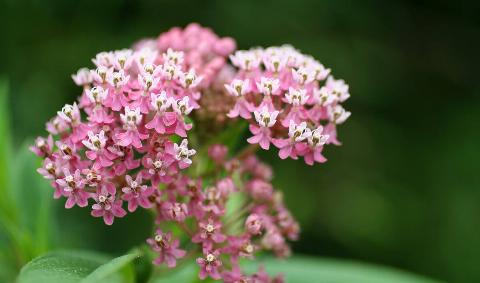
Milkweed is a great plant for supporting monarch butterflies, but it also draws in wasps, especially the larger species. The big, fragrant flowers offer easy feeding opportunities, and wasps often use the thick leaves for resting. If you're passionate about pollinators but wary of wasps, try planting milkweed farther from your house or choosing other native flowers that are less attractive to stingers.
Tansy

Tansy is often planted for its bright, button-like flowers and ability to deter some insects, but it doesn't deter wasps. In fact, it does the opposite. Its strong smell and yellow blooms seem to invite wasps in. If you’re growing tansy to keep mosquitoes away, you may be trading one problem for another. Consider alternatives like lavender or citronella, which repel bugs without drawing in stinging pests.
Dill

When dill is left to flower, it's almost guaranteed to bring in wasps. Its clusters of small blooms are easy access for nectar-feeders, and the plant also hosts small insects that wasps prey on. If you’re growing dill for cooking, it’s best to harvest it early and prevent it from flowering. Doing so keeps your herb garden functional without attracting wasps to your kitchen window.
Sedum (Stonecrop)

Sedum is a reliable, low-water plant that many gardeners love, but in late summer and early fall, its blooms become a hotspot for wasps. The dense clusters of flowers offer food when few other plants are blooming, drawing in even more insects. If you've noticed a spike in wasps during the fall, sedum may be the reason. Consider trimming it before flowering or replacing it with a plant that blooms earlier in the season.
Sometimes, the plants we choose to brighten our yards come with unintended consequences. While these flowers may be beautiful or useful in other ways, they also happen to be some of the biggest wasp attractors out there. If you're looking to create a space where you can relax without the worry of stings, avoiding or managing these plants is a smart place to start. A few thoughtful changes can make your yard much more comfortable and a lot less buzzy.