
This Plant Will Keep Birds In Your Yard All Year, Even During Winter!
If you're looking to grow something that truly gives back to nature, you can't go wrong with American bittersweet!
This native vine offers a burst of color in fall and provides valuable food for birds during the colder months. While it's often planted for its bright berries, it’s also a hardy, low-maintenance addition to your landscape that you'll surely love.
What Makes It Special

American bittersweet, also called Celastrus scandens, is more than just a pretty vining plant. Its orange and red berries ripen late in the season when other food sources are scarce, making it a lifeline for many songbirds, including robins and bluebirds. Unlike its invasive cousin, Oriental bittersweet, the native version grows responsibly and supports the ecosystem rather than overwhelming it.
Choosing the Right Spot

This vine needs full sun to produce plenty of berries. It can handle partial shade, but won't bloom as well. It prefers rich, well-drained soil and something sturdy to climb, such as a fence, trellis, or even an old tree stump. Make sure it has room to stretch. Bittersweet can grow quite large, and without enough space (or the proper pruning), it can become tangled or stunted.
Planting for Success
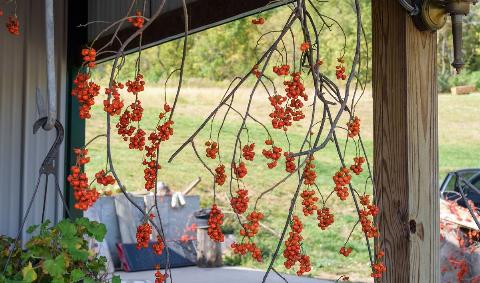
Plant bittersweet in spring or fall. You'll need both a male and a female plant for berries to form. The male produces pollen, while the female bears the fruit. Space them about 10 feet apart for best results. Keep the soil moist during the first growing season to help it establish, then water only during extended dry spells once it’s mature.
Keeping It in Check

Bittersweet is vigorous, so regular pruning helps keep it under control. Trim it back each winter while it's dormant to shape it and remove dead or weak growth. Avoid letting it smother nearby plants or structures. A little attention each year keeps the vine healthy and thriving. It doesn’t need constant care, just a bit of seasonal maintenance.
Supporting the Wildlife

In fall, the vine's berries burst open to reveal their bright red centers, attracting hungry birds. The dense vines also provide shelter through winter. Planting bittersweet near native shrubs or trees can create a mini wildlife haven. Skip pesticides and leave the berries for the birds instead of using them for decoration. You’ll be surprised how many species stop by.
Avoiding the Look-Alike

Many nurseries mistakenly sell Oriental bittersweet, which looks similar, but is invasive. It spreads very aggressively, choking out trees and native plants. To ensure you're buying true American bittersweet, check the label carefully or buy from a native plant nursery. The native variety’s flowers grow only at the ends of branches, while the invasive kind produces along the stems.
Growing American bittersweet isn't just for adding color to your garden, it's also giving something back to local wildlife. With the right care and a bit of space, this native vine can thrive for years, feeding the birds and brightening your landscape when most plants fade away. It’s a simple, lasting way to make your yard part of something bigger.