
What It Means If Your Plants Have Brown Tips On The Leaves
It's a common heart-sinking moment for any gardener or houseplant owner. You walk over to one of your plants and notice the ends have turned a crisp, unsightly brown color. It feels like a personal failure, but it's actually just your plant’s way of sending a message. Those brown tips are clear signals about the environment, your care routine, or both. Let’s look at the most likely reasons your leafy friends are feeling a bit crispy.
Thirst And Drought

The most frequent culprit is dehydration. When a plant doesn't get enough water, it can't move moisture all the way to its furthest extremities. The tips are the last in line for a drink, so they're the first to dry out and die. If the soil feels bone-dry and the pot is light, you’ve likely waited too long between waterings. Consistency is your best friend when trying to fix this issue.
Mineral Salt Buildup

If you use tap water, you're likely introducing chlorine, fluoride, and various minerals into the soil. Over time, these salts build up and can burn the sensitive tissue at the leaf tips. You'll often see a small yellow halo between the healthy green and the brown tip if this is the case. Switching to filtered water or letting your tap water sit out overnight can help prevent this chemical stress from continuing.
Low Humidity

Many popular houseplants come from tropical jungles where the air is thick with moisture. Our modern homes, especially during winter with the heater running, are incredibly dry. When the air lacks humidity, the plant loses water through its leaves faster than it can take it up through the roots. You might need a humidifier or a pebble tray to keep the edges from becoming brittle and brown in your dry living room.
Over Fertilizing Stress

We all want our plants to grow fast, but too much of a good thing is toxic. High doses of fertilizer lead to a buildup of salts in the soil, which prevents the roots from absorbing water properly. This is essentially a chemical burn from the inside out. If you've been heavy-handed with the fertilizer lately, you should flush the soil with plain water to wash away the excess nutrients and give the roots a break.
Extreme Temperature Shifts

Plants are sensitive to sudden changes in their environment. If your plant is sitting right next to a drafty window or a blasting AC vent, the constant swings in temperature can cause the foliage to crisp up. It's not just about the heat or the cold, it’s about the speed of the change. Make sure your plants aren't in the direct line of fire from your HVAC system to keep things looking lush.
Root Bound Restrictions

Sometimes the problem isn't what you're doing, but the size of the container. When a plant becomes root bound, there isn't enough soil left to hold onto the amount of moisture it needs. The roots are so tightly packed that they can't function efficiently. Even if you water regularly, the plant can't stay hydrated enough to support the very tips of its leaves. If you see roots circling the bottom, it is definitely time for a larger pot.
Poor Drainage Issues
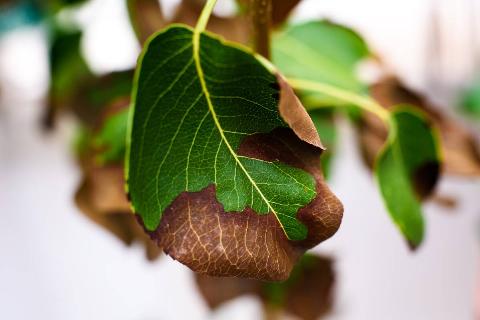
It sounds counter-intuitive, but too much water can also cause brown tips. When roots sit in soggy soil for too long, they begin to rot. Rotting roots can't transport water or nutrients to the rest of the plant. This creates a paradox where the plant is technically dying of thirst while also sitting in a puddle. Always ensure your pots have drainage holes so the roots can breathe and stay healthy enough to support the foliage.
Don't be too hard on yourself if your plants aren't perfect. Brown tips aren't a death sentence, they're just a first sign that you need to change up your care routine. Once you identify the specific cause, you can adjust your habits and watch the new growth come in healthy and green. Your plant will appreciate the attention and the extra effort you put into understanding its needs!