
What People Don’t Know About Evergreen Tree Care During Winter
It is easy to look out the window at your pines and spruces and assume they're fine throughout the winter. They stay green, so they must be happy, right? Not necessarily. In fact, winter is actually the most stressful time of year for these types of plants. Thankfully, there are still steps you can take to keep them in good health over the cold season. A little attention now will prevent brown needles and dead branches later, so here's what to do to take care of your evergreens.
Invisible Droughts

Most people put away their hoses in October and don't think about water until April or May. This is a mistake. Evergreens lose water through their needles all winter long because of the dry air and wind. If the soil is dry before it freezes, the roots can't replenish that moisture. The result is winter burn, which can kill your plant. If you get a warm spell where the ground thaws, it is actually helpful to give the soil a drink.
The Weight of Heavy Snow

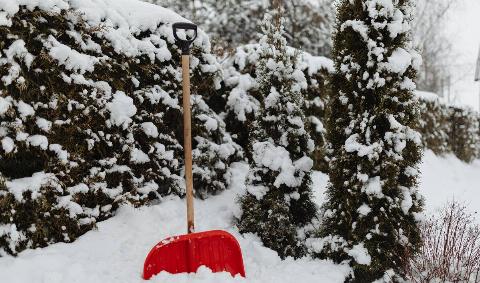
We have all seen branches bowed low under a thick blanket of wet snow. Your instinct might be to rush out and knock it off, but you need to be careful. Frozen wood is incredibly brittle and snaps easily. Instead of shaking the branches violently, try to gently brush the snow off with a soft upward motion. If the snow has already frozen onto the needles, it's best to leave it alone for now.
Damage From Road Salt

If your trees are near a road or driveway, they're at risk from salt spray. We use salt to keep us safe on the pavement, but it's toxic to plant tissue. It dries out the foliage and can even burn the roots. If you can't avoid using salt nearby, try to use a calcium-based alternative. You can also construct a simple burlap shield to protect the lower branches from the spray of passing cars.
The Winter Sunburn

You might not worry about sunburn in January, but your trees do. This is called sunscald. It happens when the winter sun warms up the bark on the south side of the tree during the day. When the sun sets and temperatures plummet, that now-active tissue freezes and dies, which then leaves unsightly vertical cracks in the trunk. Young trees with thin bark are the most vulnerable to sunscald. To protect them, try wrapping the trunk with a commercial tree wrap that helps reflect the heat.
Hungry Wildlife
Food is scarce in the winter, so your lush evergreens look like a salad bar to deer and rabbits. Deer will strip the foliage as high as they can reach, while rodents often chew on the bark near the ground under the snow cover. If the damage goes all the way around the trunk, it will kill the tree. You can prevent this heartache by installing wire mesh guards around the base or using humane repellent sprays.
The Danger of Wind

Cold winter wind acts like a hair dryer on evergreen needles, stripping away moisture faster than the roots can replace it. This is a major cause of browning on the windward side of trees. If you have a particularly exposed tree, consider building a windbreak by driving a few stakes into the ground and wrapping burlap around them. Just make sure the burlap doesn't touch the foliage, as that can trap moisture and cause rot.
Unstable Soil Temperatures

We mulch to keep weeds down in summer, but winter mulch is about temperature control. Without a protective layer, the soil creates a freeze and thaw cycle that can heave small trees right out of the ground. It can also damage the delicate feeder roots in larger trees. Ensure you have a good three inches of mulch around the base of your evergreens. Keep the mulch pulled back a few inches from the trunk itself, though, to prevent rot and discourage nesting rodents.
Taking care of your landscape in the winter doesn't require hours of labor in the freezing cold. It's mostly about observation and small preventative measures. When spring arrives and the rest of the garden wakes up, your evergreens will be healthy and vibrant rather than brown and damaged. It is worth putting on your boots for a few minutes now to ensure your garden remains beautiful for the years to come.