
Why Are The Blue Ridge Mountains Blue?
The Blue Ridge Mountains stretch across the eastern United States, from Georgia to Pennsylvania, and are part of the larger Appalachian Mountain range. They're best known for their distinctive hazy blue color, a look that has inspired poets, hikers, and artists for centuries. But the cause of that blue hue isn't just about how the light hits the landscape. It's a mix of science, geography, and the unique ecosystem that thrives there.
The Role of Trees and Plant Life

The bluish tint of the mountains is largely thanks to the trees. The forests in this region release natural compounds called volatile organic compounds, or VOCs. These are invisible gases given off by plants like pine, spruce, and fir. When sunlight hits these gases, it scatters blue light more than other colors, and this scattered blue light is what gives the mountains their signature shade when viewed from a distance.
Atmosphere and Light Scatter
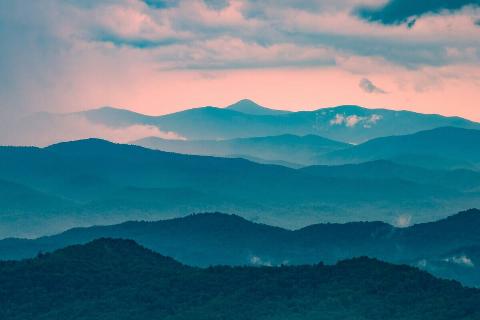
On top of what the trees release, the atmosphere plays a big role in how we see color. Light from the sun gets scattered by tiny particles in the air. Shorter wavelengths of light, like blue, scatter more than others. When VOCs mix with moisture and dust in the air, they make that blue scatter even more noticeable. This isn't unique to the Blue Ridge, but the region’s rich plant life makes the effect much stronger.
Keeping it Mild

That soft haze you often see covering the Blue Ridge isn't just pretty, it actually helps regulate the local climate. The haze helps reflect sunlight, which can lower temperatures slightly in the area. It also plays a role in keeping moisture in the air, which benefits the plants and animals living there. So while it might seem like just a pretty backdrop, the blue haze is a working part of the ecosystem.
Ancient Environments
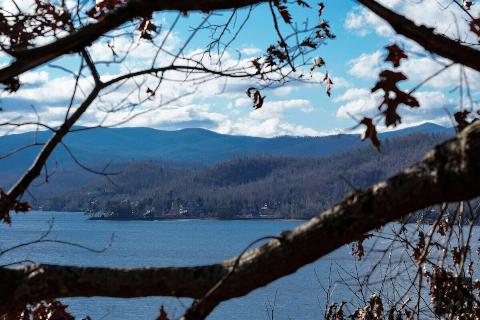
The Blue Ridge Mountains are among the oldest in the world. Over time, wind, rain, and shifting earth have smoothed their peaks and softened their features. That age has also allowed thick forests to grow and stay relatively stable over centuries. With so much consistent vegetation, the release of VOCs has been steady enough to continue creating that signature blue look for generations.
The Challenges They Face

Though the view is still beautiful, it's changing. Air pollution and rising temperatures have altered the chemical makeup of the atmosphere in parts of the Blue Ridge. This affects how the blue haze forms and how much of it we see. Thankfully, conservation efforts are underway to protect both the forests and the air quality. That way, future generations can still look out and see the mountains just as they are meant to be seen.
The blue color of the Blue Ridge Mountains isn't just a trick of the eye. It’s a sign of a living, breathing landscape filled with old trees, clean air, and delicate natural systems working together. Whether you’re standing on a trail or passing by in a car, those blue peaks are a sign that something rare is still holding on.