
7 Telltale Signs You Need A New Furnace
Your furnace might not be something you think about often, but when it starts to go bad, your home and wallet both feel it. Ignoring the early signs can lead to breakdowns at the worst time and spending a few nights shivering as you wait for an emergency repair. Here are some clear signs that your furnace may be ready to retire and you should start looking at getting it replaced.
Your Energy Bills Are Climbing

If your heating bill keeps rising, but your usage hasn't changed, the furnace may be to blame. As it ages, it loses efficiency and has to work harder to keep your home warm. That extra work then shows up in your monthly bill. Instead of paying more year after year, it might be time to put that money toward a system that runs better and costs less to operate.
Frequent Repairs Are Adding Up

A repair here or there is normal, especially in colder months, but if your technician is starting to feel like part of the family, that's a sign something’s wrong. Older furnaces tend to need more frequent attention. If you’ve had two or more major repairs in the last couple of years, consider whether replacing it altogether would be a smarter, long-term investment.
The House Feels Unevenly Heated

If some rooms in your home are toasty while others feel chilly, your furnace could be struggling. Poor airflow, inconsistent heat, or trouble maintaining your thermostat settings are common signs the system isn't performing well. It may be cycling on and off too often or failing to push warm air through the ducts efficiently.
It's Noisy or Smells Odd

Furnaces shouldn't be loud or produce strange smells. If you’re hearing banging, rattling, or grinding, something internal may be loose or wearing down. A musty or burning smell might point to dust buildup or a more serious issue like overheating. Smells that linger or worsen over time are worth getting checked right away, and in the end, replacing the unit might be the safest option.
You're Noticing More Dust or Dry Air

Older furnaces often stop filtering and humidifying the air as well as they used to. If you're seeing more dust on surfaces or waking up with dry skin and sinuses, your furnace may not be doing its job. An upgrade can help restore air quality and comfort, especially if your system doesn’t work well with newer air filters or humidifiers.
The Thermostat Isn't Enough

If you find yourself constantly adjusting the thermostat and never feeling quite comfortable, your furnace might be falling behind. A good system should respond to your settings and keep your home at a stable temperature. When it can't do that anymore, even with a working thermostat, it's usually a deeper issue. At a certain point, a new furnace is the only solution that truly works.
It's Over 15 Years Old
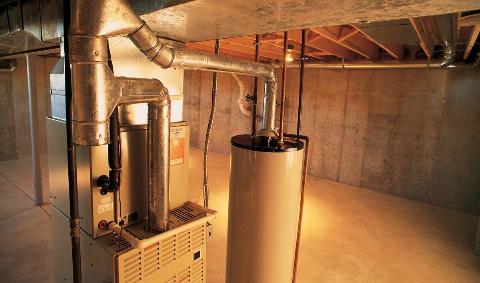
Furnaces aren't built to last forever. Most have a lifespan of around 15 to 20 years. Once yours passes the 15-year mark, it becomes less efficient, more prone to repairs, and more expensive to run. Even if it's still working, an older unit often costs more to keep than to replace. Newer models are more efficient, safer, and easier to maintain, so consider replacing it on schedule even if it still seems fine.
Waiting for your furnace to completely break down before you replace it isn't the best plan. Paying attention to early warning signs helps you avoid emergency calls and uncomfortable nights. If your system is aging, inefficient, or simply can’t keep up anymore, it’s worth exploring your options. A new furnace might seem like a big investment now, but the benefits in comfort, safety, and savings over the long run make it a smart one.