
Creative Uses For Fallen Sticks, Twigs, And Branches In Your Yard
When branches fall or twigs litter the yard, they're often just picked up and tossed away, but with a little thought, those scattered sticks can become useful materials for your landscape and home. Whether it’s seasonal windstorms or regular tree shedding, there’s often more to gain from these natural leftovers than you’d expect.
Instead of throwing them out, here are some ways to make use of them.
Ground Cover for Mud

In parts of the yard where water tends to collect or where the ground gets muddy, laying a thick layer of branches can create an immediate fix. Spread them over the area to improve footing and keep shoes from sinking into the mud. It's not meant to last forever, but it buys time until a longer-term solution is in place, and helps prevent erosion in the meantime.
Fuel for Outdoor Cooking

Thicker fallen limbs, especially hardwood, can be used in fire pits and outdoor ovens. Once seasoned and dry, these branches burn hot and steady. If you do any cooking over an open flame, whether for grilling, baking in a cob oven, or boiling water on a camp-style stove, having a supply of natural fuel on hand is a real benefit. It saves money and cuts down on waste.
Support for Climbing Plants

If you grow tomatoes, beans, or climbing flowers, branches can double as free, natural trellises. Choose longer, sturdy sticks and push them into the soil to give your plants a structure to grow on. They're especially handy for temporary or seasonal support, and they blend into the garden without sticking out too much.
Habitat for Pollinators and Wildlife

A small brush pile in a corner of your yard can attract beneficial wildlife. Bees, butterflies, frogs, and small birds use these piles for shelter. It's an easy way to support biodiversity, especially if you avoid pesticides and let the area stay undisturbed. It doesn’t need to be large, just dense enough to offer cover.
Simple Fencing

If you have areas in the yard you'd like to block off, maybe to keep pets out of garden beds or discourage foot traffic, fallen branches can be used to build a low fence. Just sticking them straight up provides a looser border, while weaving them together between a few vertical stakes gives you a more solid (but still temporary) barrier that’s sturdy enough for light use. It’s an easy way to mark space without investing in permanent fencing.
Mulch Alternative

If you have areas where traditional mulch washes away or gets displaced, shredded branches can be a good substitute. You don't need a chipper to break them down or anything. Just snapping sticks by hand and layering them thickly can create a patch of slow-decaying ground cover that protects roots and suppresses weeds. It’s not as neat, but it’s effective and low-cost.
Raised Bed Fillers

When building raised garden beds, you don't need to fill the entire box with soil. Start with a layer of branches and sticks on the bottom instead. This cuts down on the amount of dirt you’ll need and helps with drainage. Also, as the wood breaks down, it'll contribute nutrients to the soil. This method works especially well for deeper beds.
Windbreaks and Erosion Control
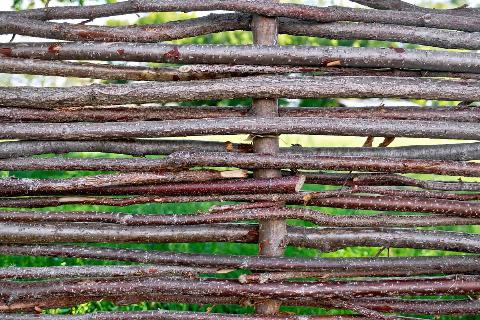
If you have slopes or exposed areas, weaving branches into low fences or laying them across hillsides can help block wind and slow water runoff. These types of makeshift barriers don't need to be pretty. They just need to hold in place and redirect the flow of air or water. This is especially useful near driveways, gardens, or any bare ground.
Sticks and branches may seem like yard waste, but they can serve a surprising number of purposes if you know what to do with them. Repurposing what nature provides doesn't just reduce cleanup, it also cuts down on costs, supports your soil and local wildlife, and helps your yard work for you.
The next time you see a branch on the ground, consider it a useful tool, not a chore!