
Don’t Plant Trees HERE Unless You Want To Annoy Your Neighbors
Trees can truly make or break a yard. They offer shade, beauty, and a sense of privacy to your space. But there is such a thing as the wrong place to plant a tree. A poorly chosen spot can quickly turn neighborly smiles into side-eye. So, before you dig that hole, think about what’s above, below, and around that tree. A little planning now can save years of awkward conversations and expensive problems down the line.
Too Close to the Property Line
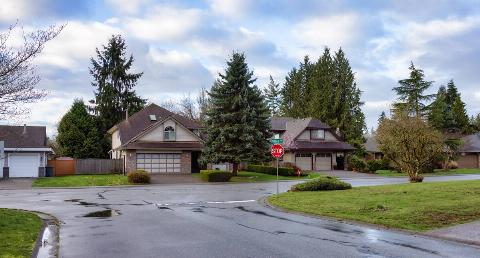
Planting a tree right along your property line might seem like a good way to mark your space, but it can create unwanted tension fast. As the tree grows, its roots and branches might cross into your neighbor’s yard. Suddenly you’ve got leaves falling in their pool, shade they didn’t ask for, or worse, limbs scraping their roof. So plant trees back a little ways from the edge of your property. It shows respect and keeps things friendly.
Near Shared Driveways or Fences

Be warned: that cute little sapling that you want to plant won’t stay little forever. Trees planted too close to a shared driveway or fence can eventually damage the pavement or lean into your neighbor’s space as they grow. Even worse, they might block visibility or drop messy fruit or leaves right where your neighbor parks. Fences warp, roots crack concrete, and once things start breaking, everyone starts pointing fingers. So plant trees far back enough to avoid blame, and future repair bills.
Under Power Lines

We’ve all seen it: a tree awkwardly chopped down the middle to clear power lines. It’s not a great look. But more importantly, it’s dangerous. Trees that grow into utility lines can cause power outages or fires, and utility companies are legally allowed to trim or remove them. Your neighbors won’t appreciate flickering lights or fire risks caused by your trees. Stick with smaller trees if you’re planting near overhead lines, or better yet, keep away from those area altogether.
Where Leaves and Debris Blow Into Neighbor Yards

Some trees drop a lot more than just leaves. Think acorns, seed pods, fruit, sap, or even sticky blossoms. If your tree is planted on the windward side (the side that faces the direction the wind is blowing), all that debris can end up in your neighbor’s gutters, garden beds, or porches. Even if it’s not on purpose, it gets annoying fast. Pay attention to the direction the wind blows in and tree type before you plant something that makes extra work for everyone nearby.
Over Septic Systems or Water Lines

Roots are sneaky. They travel far and deep, and if there’s a water or nutrient source like a septic tank or buried pipe nearby, they’ll find it. I promise, your neighbor won’t be thrilled if your tree roots clog their plumbing or mess with shared utility lines. So, avoid planting large trees anywhere close to known water infrastructure. It’s one of those “out of sight, out of mind” issues that can turn into an expensive fix without you realizing.
Blocking a Nice View

Maybe you’re trying to create privacy, but if your tree blocks a view that your neighbor loves, it could start a fight. A once-open sightline to the sunset, mountains, or even just the street might be more important than you realize. While you don’t owe anyone a view, it’s worth considering if that fast-growing evergreen will darken someone else’s living room or turn a cheerful spot into a shady one. A quick conversation before you start digging might go a long way towards keeping everyone happy.
In a Spot That’s Tough to Reach

Planting trees in tight corners, on steep slopes, or close to other structures might look good at first, but they create their own set of problems over time. When your neighbor can’t mow around it, trim it safely, or avoid falling limbs, that tree becomes their problem too. Make sure any new tree that you plant is somewhere you can actually reach with a rake or pruners. If cleanup is frustrating or hard to do, you won’t want to do it.
A Little Thought Goes a Long Way

Trees are a long-term investment. Once they’re in the ground, they’re not so easy to move. A bit of extra care and planning about where you plant them now can avoid years of neighborly arguments and property issues in the future. Think about sun, roots, space, and sightlines before you grab the shovel. Think about the best spot to plant the tree to get what you want from it, without stirring up trouble on the other side of the fence.