
How To Prepare Your Roof For Snowfall
Winter storms don't wait until we’re ready. If you live in a snowy area, your roof takes the brunt of winter's weight. Preparing it ahead of the season can prevent leaks, sagging, and expensive damage. This guide covers the basics and beyond, helping you protect your home before the snow piles up. Even if your roof seems fine now, it only takes one storm to uncover a problem that was already brewing.
Inspect the Roof Surface Thoroughly
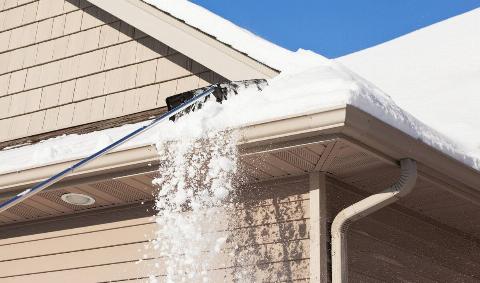
Start with a visual inspection from the ground and then, if it's safe, get a closer look. You're checking for cracked, missing, or loose shingles. Just one weak spot can let in tons of moisture once snow begins to melt. If you notice sagging or areas where granules are missing, schedule repairs right away. Roof issues usually get worse in cold weather, and small damage now could lead to major problems during a thaw.
Clean Out the Gutters

Clogged gutters trap water. When temperatures drop, this water freezes and forms ice dams that push moisture back under your shingles. Before the first snow, remove leaves, dirt, and debris from your gutters. Make sure the downspouts are clear and directing water well away from the foundation. If your gutters sag or leak, now is the time to fix or replace them. Functioning gutters are your roof's first defense against water buildup.
Trim Overhanging Branches

Branches hanging over your roof might not seem like a problem... until they break under snow weight. Even without breaking, they drop leaves that clog gutters and scratch shingles. Trim them back before the snow arrives. This step is an oft-skipped step, but it can prevent unnecessary wear and even holes caused by falling branches. If a tree seems unstable or diseased, call a professional. It's better to handle it before winter makes everything harder.
Check the Attic and Insulation

A cold attic is a good attic. Warm air rising from your home should not escape through the roof, or it can melt snow unevenly and cause ice dams. Check your attic's insulation for even coverage, and add more if it’s thin or patchy. You should also look for signs of water stains or mold. If you find any, there may already be a leak. A well-insulated attic protects both your roof and your energy bills.
Ventilation Matters Too

Insulation is only half the picture though. Without proper airflow, your attic traps heat and moisture. That leads to mold, mildew, and roof deck rot. Check that vents in the soffits, ridge, or gables are not blocked. If you've had condensation problems in past winters, now’s the time to address them. Good ventilation balances attic temperatures and extends the life of your roof through every season, not just winter.
Install Snow Guards If Needed

For metal roofs or steep pitches, snow can slide off in large, dangerous sheets. Snow guards slow down that sliding, protecting anything below—from people to plants to walkways. If your roof is already equipped with them, inspect them to make sure they're secure. If not, consider whether your roof might need them. This isn’t necessary for every home, but where it’s appropriate, it can make a real difference in safety.
Schedule a Professional Roof Inspection

Some issues aren't easy to spot. A professional inspection goes deeper, checking flashing, chimney seals, structural integrity, and more. If it’s been several years since your roof was looked at, or if you’ve had small leaks in the past, an expert opinion is likely due anyway. This is especially important for older roofs or homes in high-snow areas. You may pay a little now, but it can save thousands later.
Preparing your roof for snowfall isn't all that complicated, but it does take careful attention. Snow may be beautiful, but it’s also heavy, wet, and unforgiving when paired with neglect. By taking time now to get your roof winter-ready, you're not just preventing problems, you're protecting everything and everyone underneath it.