
Should You Water Your Houseplants With Banana Peels? The Latest Home Gardening Hack
Banana peels might seem like something to toss in the trash, but they're surprisingly useful for your plants. Packed with nutrients like potassium, phosphorus, and calcium, they can give your houseplants a natural boost without synthetic fertilizers. Using banana peels in your watering routine can improve growth and leaf health, so here’s how to do it right and make the most of this simple home solution.
Why Banana Peels Help Plants

Banana peels break down into nutrients plants can easily absorb. Potassium strengthens stems and improves water movement in leaves. Calcium supports root growth, and phosphorus encourages flowers and fruit (if your plants have them). While they don't replace a balanced fertilizer entirely, banana peels offer a natural nutrient source that improves soil life.
Banana Peel Water

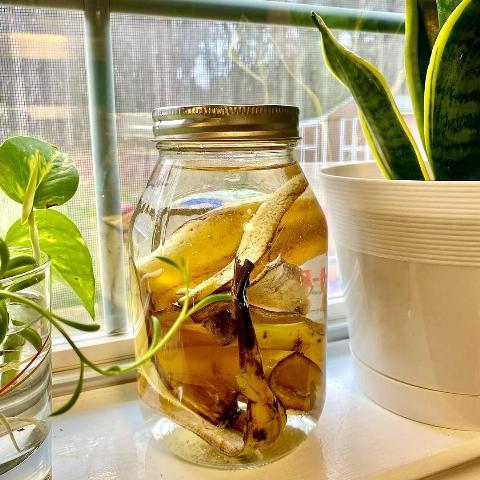
Banana peel water is a simple way to feed plants these valuable nutrients through watering. To make it, soak a few banana peels in a jar of water for about two days. Strain the liquid and pour it around the base of your plants just like regular water. The soaking releases nutrients into the water, which your plants can absorb quickly. You don't have to use it every day, it's powerful enough to use weekly or every other week.
Avoid Letting It Sit Too Long

Banana peel water should smell faintly sweet, not sour, and if left too long, it can ferment and attract fruit flies. Keep it covered while it sits, and use it within two days of making it. Some people refrigerate it if they can't use it right away. Always check the scent before using, and if it smells off, it’s best to toss it out and start again.
Mixing Banana Peels Directly into Soil

Instead of soaking them, you can also place chopped banana peels directly into the soil. This method feeds your plants slowly as the peels break down. Cut them into small pieces so they decompose faster and don't draw pests, and work them into the top few inches of soil rather than leaving them on the surface. Over time, they enrich the soil and help retain moisture naturally.
Which Plants Benefit Most
Banana peel water and compost work best for flowering and fruiting plants, such as orchids, peace lilies, or small citrus trees. Green leafy plants can also benefit, though they may need less frequent feeding. Succulents and cacti, however, don't need it. Their soil stays dry longer, and extra nutrients can actually cause problems. Use this method mainly for tropical or moisture-loving houseplants.
A Few Common Mistakes

People often make the mistake of overusing banana peel water or mixing in too many peels at once. Too much organic material at once can lead to mold or fruit flies. Stick with one or two peels at a time and water your plants as usual in between. Another mistake is skipping regular fertilizing altogether. Banana peels are a supplement, not a complete solution. Balance is key.
Watering your houseplants with banana peels is simple, sustainable, and effective when done carefully. It's a small step that makes use of something you’d normally throw away, turning waste into plant food. Just remember to use fresh mixtures, avoid overdoing it, and keep an eye on your plants’ response. With a little patience, you’ll likely notice stronger growth and healthier leaves, all thanks to something as simple as a banana peel.