
The Best Method For Decluttering Your Shed Before Spring
The winter frost is finally fading, and the urge to garden is growing. However, most of us open our shed doors to find a chaotic mountain of rusted tools and tangled hoses. It's overwhelming to face that mess when you just want to plant seeds, so why don't we change that? Let's transform that cramped storage box into a functional workspace ahead of spring, here's the best method for cleaning out your shed.
Empty The Entire Space

You can't see what you're working with if half the floor is covered in old mulch bags. Drag everything out onto the lawn or driveway. Seeing the bare walls of the shed helps you realize how much potential space you actually have. It's a bit of a workout, but it's the only way to ensure you aren't just moving piles from one corner to another. Clear the slate so you can start fresh.
Categorize Your Gear

Once everything is out in the open, group like with like. Put all the long handled tools together, stack hoses and cables, gather your power equipment in a certain spot. Sort your pots by size and keep the fertilizers separate from the birdseed. This visual organization makes it obvious where you have duplicates. If you find three identical trowels, you'll know right away that you've got more than you need. It makes the next step much easier.
Be Ruthless With Broken Items

Take a hard look at that cracked plastic bin or the lawnmower that hasn't started since three years ago. If it's broken and you haven't fixed it yet, you probably won't. Keeping broken items just takes up valuable real estate and creates mental weight. Be honest about what's actually useful. Toss the trash and set aside items that are worth repairing only if you'll actually do it this year.
Donate What You Don't Use

Maybe you bought a heavy duty rototiller but realized you prefer no dig gardening. There's no point in letting expensive tools gather dust while they take up space. Pass them on to a neighbor or a local community garden. It feels good to know your gear is being used by someone who needs it. Donating helps clear your physical space and your conscience, making room for the tools you actually enjoy using.
Clean The Interior
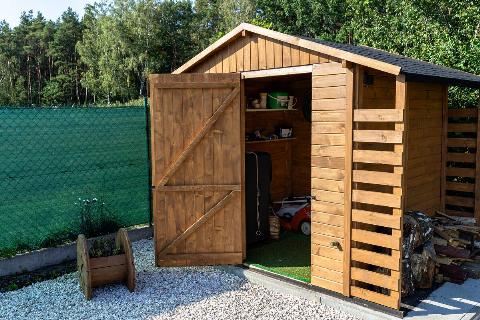
Before you put anything back, give the shed a good sweep. Get rid of the cobwebs in the corners and wipe down any dusty shelves. If there's spilled potting soil on the floor, scrub it up now. Checking for leaks or pest damage is also smart while the space is empty. A clean environment makes you want to spend more time there, and it's much more pleasant to work in a shed that doesn't smell like damp earth.
Utilize Vertical Storage

The biggest mistake people make is keeping everything on the floor. Install some sturdy hooks or a pegboard to get your shovels and rakes off the ground. Hanging your gear keeps it visible and prevents a frustrating pileup in the corner. You'll be amazed at how much floor space opens up once you start using the walls! It makes grabbing what you need much faster when you're in the middle of a project.
Label Your Bins

Clear bins are great, but labels are better. Use a marker or a label maker to identify what's inside every container. You won't have to rummage through three boxes to find your gardening gloves or your favorite pruning shears. It keeps your shed much more organized and easier to navigate throughout the busy spring season. When every item has a specific home, you're much more likely to put things back where they belong after a long day outside.
Create A Maintenance Zone

Reserve a small area for a workbench or a simple potting station. Having a dedicated spot to sharpen blades or repot seedlings changes the shed from a storage unit into a functional workshop. It doesn't have to be fancy, just a flat surface that stays clear of clutter. This is the heart of your gardening operations. It's where the magic happens, so make sure it stays accessible and ready for action
Cleaning out the shed isn't the most glamorous part of gardening, but it's definitely the most rewarding. By following these steps, you've created a space that supports your hobby instead of hindering it. You'll feel a sense of relief every time you open that door to grab a rake. Now that the hard work is done, you're ready to enjoy the sunshine.