
These 7 Houseplant Pairs Are Happier Growing Next To Each Other
Most people think of houseplants as solo decorations, but many species actually thrive when they're grouped with a compatible neighbor. Placing the right plants together creates a microclimate that regulates humidity and helps manage light levels. When you pair plants with similar needs, you'll find they're much easier to maintain and look significantly healthier over time. Here are a few pairs that work beautifully together.
Monstera Deliciosa and Peace Lily

The Monstera is a bold climber that loves some humidity, while the Peace Lily is a thirsty plant that acts like a natural humidifier. As the Peace Lily releases moisture through its leaves, the Monstera soaks it up. The Peace Lily also serves as a great indicator for the pair. When it wilts, you'll know both plants need a drink. They're a perfect match for a bright corner with indirect light.
Spider Plant and Pothos

These two are the ultimate low maintenance duo. Both are famous for their trailing vines and ability to adapt to various light conditions. When you hang them together or place them on a high shelf, they create a lush canopy that helps trap moisture in the air. Since they both grow quickly, they'll fill out a space together without competing for resources. It's a simple but fruitful setup for anyone who's just starting their plant journey.
Snake Plant and ZZ Plant

If you have a spot that doesn't get much sun, this is the pair for you. Both the Snake Plant and the ZZ Plant are incredibly hardy and prefer to dry out between waterings. Because they share a slow growth rate and similar soil preferences, you won't have to worry about one overtaking the other. They're structurally different but share a rugged DNA that makes them a very stable and reliable team for darker rooms.
Bird of Paradise and Ferns

A Bird of Paradise needs plenty of sun and space, but the soil at its base can often dry out too fast. Planting ferns around the bottom of a large Bird of Paradise pot helps shade the soil and keep it cool. Also, the ferns love the dappled light filtered through the large leaves above! This mimicry of a forest floor creates a relationship where the larger plant provides cover while the smaller plants preserve moisture.
Aloe Vera and Jade Plant

Succulents are social creatures that enjoy the same arid conditions. Aloe Vera and Jade Plants both store water in their fleshy leaves, so they won't mind if you forget to water them for a while. By grouping them, you ensure they're in a similar zone where the air stays dry and the drainage is fast. They look great together on a sunny windowsill where they can soak up rays without feeling crowded or overly damp.
English Ivy and Boston Fern

If you've got a bathroom with a window, this pair will be very happy there. Both English Ivy and Boston Ferns adore moisture and cooler temperatures. The Ivy likes to climb or trail, while the Fern provides a bushy, textured base. They'll work together to keep the local humidity high, which prevents the tips of the fern's fronds from turning brown. It's a classic combination that brings a fresh, forest feel to any space.
Calathea and Maranta
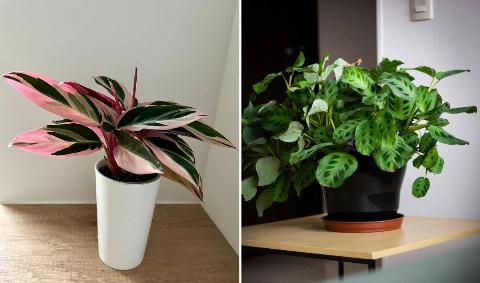
Known as prayer plants, these two are famous for moving their leaves up and down throughout the day. They're also notorious for being a bit finicky about humidity. When you group a Calathea with a Maranta, they create a collective humid zone that keeps their sensitive leaves from curling. Since they have similar needs for filtered light and distilled water, you'll find it's much simpler to care for them as a single unit.
Pairing plants together is a great way to have a fuller plant space where the habitants all thrive alongside one another. You'll spend less time worrying about individual humidity, soil, and airflow needs when the plants are doing the work for you, mimicking how they would live in nature. Give these pairings a try and watch how they support each other!