
What Happens When You Put a Penny in Your Birdbath?
It might sound like an old wives' tale, but there’s actually a simple reason why people put a penny into their birdbath. It’s not about luck or superstition, and it’s definitely not for the birds to admire. Believe it or not, that little coin can help keep your birdbath cleaner and safer (or so they say). Here’s the scoop on how it works, why it matters, and what else you should keep in mind if you’re going to try this hack out.
The Copper Trick

Old pennies that were minted before 1982 were mostly copper, and copper has natural antimicrobial properties. When placed in a birdbath, it can help slow the growth of algae and bacteria in the water. That doesn’t mean you’ll never have to clean your birdbath again, but it does mean that you won’t have to scrub as often and it keeps things fresher for the birds.
Why Clean Water Matters

Birds rely on clean water for drinking and bathing, and dirty water sitting in a birdbath can carry diseases or attract pests. Even in cooler weather, algae and bacteria can still build up quickly. Only using a penny won’t magically fix a truly neglected birdbath, but it can make your life a little easier in between cleanings. Cleaner water means healthier birds, and that's something any backyard birdwatcher can feel good about.
Don’t Use Just Any Penny

Not all pennies will work. Since 1982, most U.S. pennies have been made of zinc with only a thin copper coating. These newer coins sadly won’t do the trick. For best results, you’ll want to use an older penny that’s made mostly of copper. You can usually tell by the date stamped on it. If it’s before 1982, it’s probably the kind you’re looking for. Some people also use small copper fittings or tokens if they don’t have the right kind of penny on hand.
Still Clean Your Birdbath Regularly

Even with a copper penny, you still need to clean your birdbath regularly. You don’t want slimy buildup or mosquito larvae hanging around any water in your yard. Dump the old water every few days, give the bowl a scrub with a brush, and rinse it out well before refilling it with fresh water. A penny might slow down the buildup of mess, but nothing beats a little elbow grease and fresh water when it comes to keeping your backyard birds happy and healthy.
Avoid Using Too Much Metal
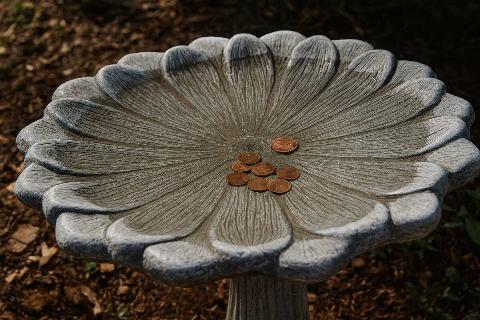
It might be tempting to toss in a handful of pennies for good measure, but more metal doesn’t necessarily mean more protection against grime. Too much copper could harm sensitive birds or affect the water in ways you don’t want. One or two old pennies are usually enough for your standard birdbath. Keep it simple and avoid adding anything else to the water unless you’re sure it’s safe for wildlife.
Other Copper Options

If you can’t find an old penny, don’t worry. A small strip of copper pipe or even a bit of copper mesh at the bottom of the basin can have the same effect. Just make sure the copper piece is clean and free of any coatings or chemicals. It’s the exposed copper that helps slow down the dirt from building up. Keep the piece small and safe, and keep an eye on the water quality over time to see if it’s working.
Is It Really Worth It?

It might sound too simple to be effective, but many gardeners and bird lovers swear by the penny trick. It’s not a miracle solution, but it’s a low-effort, low-cost way to help keep your birdbath a little cleaner. And when it comes to backyard cleanup, every little bit helps. Try it for yourself and see if it makes a difference in how often you have to scrub.
Check With Local Wildlife Experts

If you’re unsure about what’s safe or not for birds in your region, it never hurts to ask an expert. Local nature centers can give out great advice on bird care and native species in your area. While a penny in the birdbath is widely thought to be harmless and helpful, it's always good to double-check if you're switching things up in your yard. Being a thoughtful neighbor to your wild visitors goes a long way.
A Little Coin, A Lot of Curiosity

A penny in a birdbath might not seem like much, but it's a clever example of how old knowledge can still be super useful for modern gardeners. Give it a try this fall, and see if it can cut down on some of the yard maintenance you have to do. You never know what small change might make the biggest difference.