
When And How To Prep Your Lawn For Less Weeds This Summer
A lush, green lawn isn't just luck. It's the result of a smart strategy started well before the heat of July hits. If you're tired of battling dandelions and crabgrass every year, it's time to change your approach. Prepping now means you'll spend less time pulling weeds and more time enjoying your yard later. Let's look at the practical steps you can take to build a stronger, healthier lawn this season.
Timing Matters

You can't just toss treatments down whenever you feel like it. The best time to start is early spring when the soil temperature hits about 55 degrees, when forsythia bushes begin to bloom. If you wait until you actually see weeds popping up, you've already lost the first battle. Early intervention stops seeds from ever taking root, which saves you a massive headache once summer arrives in full force.
Testing Your Soil

You shouldn't guess what your dirt needs. Grab a soil test kit from a local garden center to check your pH levels and nutrient balance. Weeds love stressed soil, so if your lawn's foundation is too acidic or lacks nitrogen, you're basically inviting them to move in. Once you know what's missing, you can add exactly what's required. It's a simple step that makes your grass much more competitive against unwanted invaders.
Sharpening The Blades

A dull mower blade is a lawn's secret enemy. Instead of a clean cut, dull metal tears the grass, leaving jagged edges that turn brown and invite disease. Weak grass can't fight off weeds very well. You should sharpen your blades at least twice a year. When your grass is healthy and recovers quickly from a trim, it stays thick enough to shade the soil. That shade prevents weed seeds from getting the light they need.
Adjusting Mowing Height

Most people scalp their lawns way too short. You'll want to raise your mower deck to at least three inches. Taller grass grows deeper roots and creates a natural canopy that keeps the ground cool. Weeds thrive in the sun, so if you keep the dirt shaded with longer blades of grass, those seeds won't stand a chance. It's one of the easiest ways to manage your yard without using any extra chemicals.
Choosing Pre-Emergent Barriers

Pre-emergent herbicides are your best friends for a low-maintenance summer. These products create a chemical shield that stops weed seeds from finishing their germination process. It won't kill existing plants, but it's incredibly effective against crabgrass. You've got to apply it evenly and water it in so it reaches the soil surface. Just remember that if you're planning to plant new grass seed, these barriers will stop that from growing too.
Smart Watering Habits

Shallow, frequent watering is a mistake that encourages weeds with short root systems. You're better off watering deeply but less often. Aim for about an inch of water per week in a single session. This forces your grass roots to reach down further into the earth to find moisture. Stronger roots mean a hardier lawn that can survive dry spells better than shallow-rooted weeds can. It's all about building a resilient system.
Aerating To Open It Up

Compacted soil is like concrete for grass but a playground for weeds like plantain or clover. If your ground feels hard underfoot, it's time to aerate. This process pulls small plugs of dirt out, allowing oxygen, water, and nutrients to reach the root zone. When the soil is loose and healthy, your grass can spread out and fill in bare spots. A dense lawn is the most natural weed repellent you can have.
Seeding Bare Spots
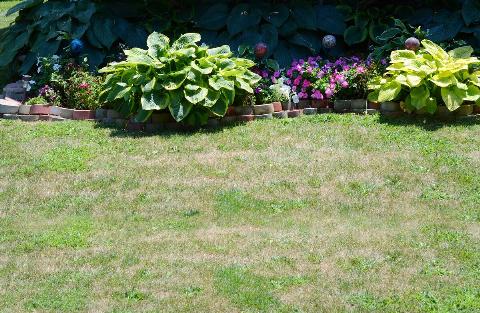
Nature hates a vacuum. If there's an empty patch of dirt in your yard, a weed will find it within days. You should keep a bag of matching grass seed handy to fill in any thin areas as soon as you see them. Loosen the soil, toss the seed down, and keep it moist until it takes hold. By proactively filling these gaps, you're making sure there's no room left for uninvited guests to settle.
Taking care of your lawn doesn't have to be an exhausting chore if you stay ahead of the game. By focusing on soil health and proper maintenance habits now, you're setting yourself up for a beautiful, stress-free summer. It's about working with nature instead of constantly fighting against it.