
Why Birds In Your Gutters Is An Issue, And How To Fix It
Birds might seem like harmless visitors most of the time, but when they start nesting in your gutters, they can cause real problems. What starts as a simple nest can quickly become a costly or even dangerous situation. Here’s what you need to know about why birds in your gutters are more than just a minor nuisance.
Clogged Gutters Lead to Water Damage

When birds build nests in gutters, they pack them with twigs, leaves, feathers, and debris. These materials then block the flow of rainwater. When water can't drain properly, it spills over the sides, seeps into your roofline, or pools around your foundation. That can lead to leaks inside your home, rotted wood, mold growth, and even basement flooding. All of that damage can cost thousands to fix, and often the issue isn’t found until it’s too late.
Blocked Gutters Add Weight and Stress

A nest might not seem heavy, but combined with trapped water and debris, your gutters can become overloaded. That added weight strains your gutter brackets and roofline. Over time, the fasteners holding your gutters in place can loosen, or even rip out completely. Sagging or collapsing gutters are expensive to repair and can cause further structural damage to your home's fascia boards or siding.
Fires Are a Real Risk
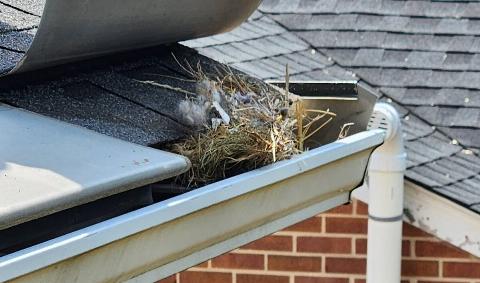
Dry nesting materials stuffed inside your gutters can become a fire hazard, especially in hot or dry conditions. If you live in an area where people use fireworks or burn debris, one stray ember and those nests can ignite quickly. The combination of dry twigs and accumulated leaves makes an ideal fuel source for flames.
Nests Attract Pests and Predators

Birds nesting in your gutters might bring more than just water issues too. Their nests often attract insects like mites, ticks, and flies. These pests can then easily travel into your attic, crawlspaces, or vents, leading to infestations inside your home. Additionally, bird nests can lure predators like raccoons, snakes, or larger birds of prey, all of which pose their own risks to your property.
Bird Droppings Are More Than Unsightly

Bird droppings are acidic, and when allowed to sit on shingles or metal gutters, they can corrode surfaces over time. On top of that, droppings carry bacteria and diseases that are harmful to humans and pets. If birds are nesting in your gutters, droppings can spread along walkways, patios, or outdoor furniture below, creating both a health hazard and a cleaning nightmare.
Legal and Ethical Considerations

Before taking any measures to remove nests from your gutters, it's important to know that some bird species are protected by law. Disturbing or removing their nests without proper guidance could lead to fines or legal trouble. It’s always best to check local regulations or consult with wildlife professionals before taking action. While the goal is to protect your home, you’ll want to handle the situation responsibly and humanely.
Prevention and Action Steps

To avoid these problems entirely, inspect your gutters regularly, especially in spring and fall. Install gutter guards to keep birds and debris out. Trim tree branches away from the roofline to limit access. You can also get gutter guards, which will stop not just nests, but all sorts of debris from clogging up your gutters. If you do notice a nest, don't try to remove it yourself without checking if the species is protected. Contact a licensed removal service if needed.
Birds in your gutters may not seem like a big deal, but they can bring serious and expensive problems if ignored. From water damage and health risks to fire hazards and legal concerns, the consequences add up fast. Staying ahead of the issue with regular maintenance and smart prevention can help protect your home, your health, and the birds themselves. Don't wait for damage to show up. Act early and stay prepared.