
Your Yard Might Be Attracting Dangerous Wildlife—Here’s How To Fix It
A peaceful yard can easily become a hotspot for unwanted wild visitors. Raccoons, coyotes, snakes, even bears, plenty of animals are drawn to our outdoor spaces without us ever realizing it. It usually starts with small things that go unnoticed until there's a real risk. The good news is, you can make a few smart changes to lower the chances of attracting these types of animals. Here's what to keep an eye on to keep animals out.
Overgrown Areas

Thick brush, tall grass, and cluttered woodpiles all give wildlife a place to hide, nest, or hunt. Snakes, rodents, and even coyotes will use these spaces as cover. Keeping your yard trimmed and tidy doesn't just look better, it makes it less attractive to animals. Stack firewood away from the house and off the ground, and clear dense spots where animals might settle in unnoticed.
Water Features

Birdbaths, ponds, leaky hoses, and even pet water bowls offer fresh drinking water for thirsty wildlife. During dry spells, animals will go wherever water is easy to access. If you have water features, change the water often and clean them regularly. If they're not essential, consider removing them altogether. Fix any leaky outdoor plumbing quickly to avoid creating puddles or soft, damp soil.
Food Left Out, Even Accidentally

The most obvious answer, sure, but wildlife really does have a sharp nose for food, and many backyards unknowingly provide a buffet. Pet food left outside, bird seed scattered around feeders, fallen fruit, and overflowing compost bins can all lure animals in. Once they find a reliable food source, they'll keep coming back. Bring in pet bowls, clean up around feeders, and secure trash and compost tightly.
Nighttime Lighting

Outdoor lights left on all night attract insects, which then attract animals that feed on them. Raccoons, bats, and even snakes might start showing up. Motion-activated lighting is a smarter choice. It only turns on when needed and doesn't keep things too bright all night. If you don’t need light in a certain area, leave it dark to reduce animal activity around your yard.
Gaps Around Your Home
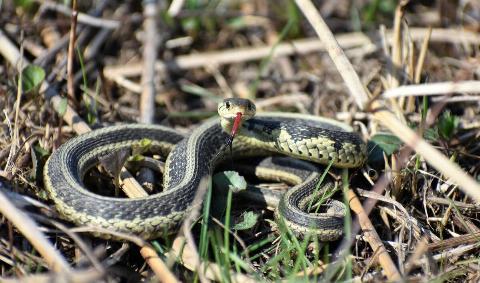
Wildlife often looks for shelter, especially in colder months. Small openings in your attic, under decks, or around the foundation can be an easy entry, especially since rodents and snakes only need a tiny gap to get in. Walk your property and check for signs of damage or loose panels, then use hardware cloth, metal flashing, or other appropriate sealants to block off access.
Bird Feeders

Bird feeders bring beauty and joy, but they also spill seeds that attract rodents, raccoons, and even bears. If you live in an area known for wildlife activity, it's best to skip feeders during certain seasons or place them on poles with catch trays. Clean beneath them often, and avoid feeders near windows or doors. Keeping feeding zones tidy lowers the risk of drawing in larger animals.
Outdoor Cooking Areas

Grills and outdoor kitchens often hold onto food smells and grease. Even if you clean the surface, the scent can linger in the air or drip onto the ground. Bears and raccoons are especially drawn to these scents. Scrub your grill after every use and cover it tightly. Store outdoor cooking equipment securely if possible. The lingering scent of those burgers you grilled could invite some big animals to your yard.
Garden Choices

Some plants are known to attract deer, rabbits, or even bears. Fruit trees, berry bushes, and vegetables are obvious culprits, but even decorative plants like tulips can draw in grazers. If you're seeing repeat visitors, consider swapping in less attractive plant varieties. Fencing off gardens and using motion-triggered deterrents can help too.
Wildlife is a natural part of the world around us, but that doesn't mean they need to move into your backyard. With just a changes and a vigilant eye, your yard can stay peaceful, beautiful, and a lot less interesting to risky visitors. Prevention is the best defense, and a little effort now can spare you bigger problems down the line.