
8 Important Survival Skills Everyone Should Master
It's easy to think of survival as something you’ll never need to worry about, especially if you're not a frequent backpacker or camper, but the truth is, you never know what's around the corner. Storms, power failures, getting turned around on a trail, any one of those can bring about. The difference between struggle and stability in these scenarios comes down to preparation. Most people know the basics, but there are lesser-known survival skills that are just as important and often overlooked. These aren’t flashy, but they’re practical, reliable, and can make a lasting impact when things go sideways.
Staying Mentally Grounded

Panic clouds your thinking and fear makes small problems worse. One of the most overlooked survival skills is staying calm. Learn to slow your breathing, take stock of your surroundings, and think through your next step even when things are scary. Confidence comes from preparation. When you trust your skills, you don't need to rush, you just focus on doing the next smart thing. A steady mindset is often what gets people through the worst moments.
Reading the Sky

The sky holds more information than just the current weather and where the sun is. Being able to read cloud shapes, wind direction, and humidity shifts can help you anticipate storms or changes in temperature. This lets you adjust plans early, build better shelter, or decide when to move and when to wait.
Navigation Without GPS

Batteries die. Signals disappear. Having a basic sense of direction matters more than ever. Learn how to read a map, use a compass, and understand landmarks. In nature, the sun, stars, and terrain can guide you if you know what to look for. In cities or rural areas, recognizing street patterns or natural features can help you get your bearings. Don't ever rely on technology alone.
Tracking Time Without a Watch

Time affects everything, like how long until dark, how far you've walked, how long water needs to boil. If you lose access to devices, you need other ways to keep track. Shadows, the sun’s position, even melting ice can help you estimate time. Practicing rough timekeeping, knowing what an hour feels like and recognizing patterns in nature, gives you better control over your choices, especially when time-sensitive decisions matter most.
Energy Conservation
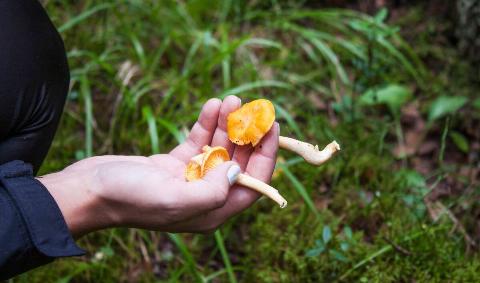
When people think survival, they often think of catching or foraging for food, but the real key is learning how to manage your energy. Your body burns calories fast in stress, cold, or exertion. Sometimes staying put and keeping warm is smarter than wandering and burning through your reserves. Understanding how to ration your movements, control your temperature, and avoid unnecessary physical strain can help you last longer when resources are scarce.
Making Do With What You Have

Resourcefulness is one of the most underrated survival tools. You won't always have a full kit or the "right" gear. Being able to look at what’s around you like clothing, containers, scraps, even trash, and turn it into something useful can keep you moving forward. A shoelace becomes cordage. A plastic bag becomes a water collector. Learning how to repurpose and adapt is a mindset that keeps you one step ahead in uncertain situations.
Situational Negotiation and Conflict Avoidance

In some scenarios, people are the unpredictable part. Being able to talk calmly, defuse tension, or read someone's intent quickly can get you out of a dangerous encounter. Whether it's handling disputes during a crisis or dealing with strangers in a remote area, this skill will help protect you without needing force. Avoiding conflict doesn’t mean weakness, it’s a form of control that keeps you from making a bad situation worse.
Signaling for Help

If you're lost or in trouble, knowing how to get someone’s attention is critical. Use bright colors, mirrors, whistles, smoke, or flashing lights to make yourself visible. There’s also power in pattern, as three signals of any kind often indicate distress. Make your signal hard to miss, and place it where it’s likely to be seen from a distance or from above.
There's more to survival than fire-starting and shelter-building. The less obvious skills often become the most valuable when things fall apart. They’re the ones that help you think clearer, act smarter, and stay ahead of the situation instead of reacting to it. Mastering these skills doesn’t require you to live off-grid. It just means paying closer attention and being ready to think differently when the moment calls for it.