
How Do You Use The Bathroom When Camping? The Different Types Of Camping Toilets
Using the bathroom while camping isn't exactly glamorous, but it's something every camper has to deal with. Whether you're deep in the backcountry or just a few steps from your car, having a bathroom plan is important for both your comfort and your hygiene. Today’s camping toilets come in many forms, from simple DIY setups to more advanced, portable options. Here’s a look at the most practical types of camping toilets and how to choose the right one for your trip.
The Cathole Method

For minimalist or backcountry campers, digging a cathole is still the go-to option. All you need is a small shovel and some space away from trails and water. Dig a hole about 6 to 8 inches deep, do your business, and bury it well. It's low-tech and cost-free, but it only works in places where it's allowed. Some areas require you to pack out all waste, so always check local rules beforehand.
Bucket Toilets

Bucket toilets are a step up from digging a hole and are surprisingly effective. A five-gallon bucket, fitted with a toilet seat and lined with a waste bag, creates a basic but functional toilet. Add some absorbent material like kitty litter or sawdust to help reduce the odor. It's easy to set up and dispose of, and you don’t need running water. Just make sure you use proper waste bags designed for human waste.
Portable Flush Toilets

A full-size portable toilet works well for car campers who want a more home-like experience. These toilets use water and chemicals to manage waste, and they come with a detachable tank for easy disposal at dump stations. They're heavier and take up space, but if you're camping for several days with a group, the comfort is worth it. This option works best at established sites or for those with a camper van setup.
Composting Toilets
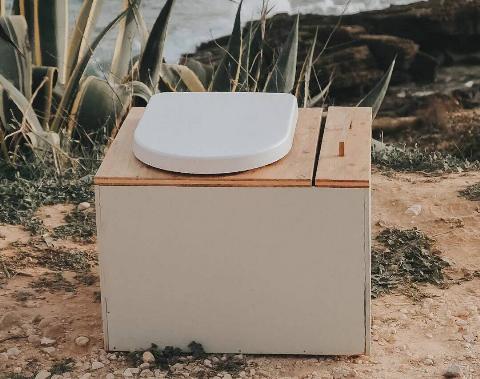
Composting toilets are a more sustainable choice, especially for long-term setups. These toilets separate solids and liquids, helping to control smell and speed up the composting process. While more expensive, they're pretty low-maintenance once installed. They're ideal for base camps or off-grid cabins but may be overkill for short trips. You’ll need to understand how to manage and empty them properly, so they require a bit more commitment than other types.
Folding Toilet

Folding toilets are designed for portability. They're small, collapsible frames that support a disposable waste bag and can be tucked away when not in use. This type is perfect for campers who want something better than squatting but don’t have room for a full toilet setup. It’s a great middle ground for backpackers or solo travelers who want to save space but still need a more stable bathroom option.
Wag Bags

Wag bags are single-use kits that include a waste bag, chemical powder to neutralize waste, and toilet paper. You can use them with a toilet seat or on their own. Once used, you seal the bag and pack it out. These are great for places where digging isn't allowed, or for quick overnight trips. They’re light, sanitary, and respectful of the environment, though the cost adds up over time if you only use them.
Keeping It Clean

Having a toilet setup is only part of the equation. You'll also need to stay clean and follow safe sanitation practices after you use them. Always carry hand sanitizer or biodegradable soap, and bring extra toilet paper in a sealable bag. Dispose of waste bags properly in a trash bin or designated area. If you're using reusable toilets, rinse and disinfect them often to prevent smells and bacteria from building up.
The best camping toilet is the one that fits your trip, your comfort level, and the rules of the area you're visiting. From simple holes to full portable setups, there's an option for everyone. With how many options there are, you don’t have to dread using the bathroom outdoors. Instead, you can stay focused on what really matters, enjoying your time in nature!