
How To Avoid Encounters With Rabid Animals
Rabies is a serious and deadly disease. Once symptoms start, it's almost always fatal. It's most often spread through the bite or scratch of an infected animal. While rare, these encounters can happen almost anywhere, such as backyards, on trails, or even in cities. Knowing how to lower your risk and spot early warning signs can keep you, your family, and your pets safe. Here’s how to stay aware and out of danger.
Understand What Rabies Looks Like

Rabid animals often show strange behavior. They may seem unusually aggressive, disoriented, or unafraid of humans. In some cases, they're weak, stumbling, or foaming at the mouth. Not all infected animals act the same, though. Some may seem unusually tame or dazed. If you see wildlife behaving in a way that doesn’t match what you’d expect, keep your distance and leave the area calmly. Don’t try to get a closer look.
Keep Your Distance From All Wild Animals
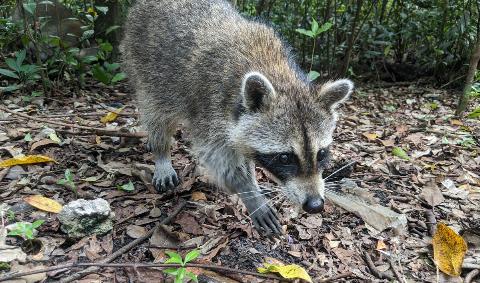
It can be tempting to approach a cute or seemingly friendly animal, especially one that looks like it might need help, but even if it seems calm, it could be sick. Raccoons, skunks, foxes, and bats are the main carriers of rabies in the wild. Never try to touch, feed, or help a wild animal. Call your local animal control if one seems injured or unusually calm around people.
Secure Your Home and Property

Wild animals can slip through small gaps, especially when looking for food or shelter (which sick animals will do more fervently). Keep your garbage sealed, feed pets indoors, and close off spaces under decks, porches, or sheds. Repair holes in screens, seal up attic vents, and keep doors closed. These steps don't just prevent rabies risks, they also help with keeping other pests out.
Watch for Bats Indoors and Outdoors

Bats are the leading cause of rabies in the U.S., and a small scratch or bite might go unnoticed. If you wake up and find a bat in your room, or if you're out camping and have an encounter with one, assume you were exposed and call your doctor. The same goes for children or anyone who can't reliably say what happened. Outdoors, avoid caves or hollow trees where bats might nest. If a bat is on the ground, and not flying--stay away and contact wildlife services immediately!
Vaccinate Your Pets

One of the best ways to protect yourself is to make sure your pets are up to date on their rabies shots. Dogs and cats can get exposed without you even noticing, especially if they roam outdoors. A current vaccination could save their life, and it protects you too. Even indoor pets can have run-ins with wildlife if something slips in through a cracked window or door.
Teach Kids and Visitors What Not To Do

Many bites happen because someone didn't know better. Make sure children know never to touch wild animals, even if they seem calm or cute. Visitors from urban areas, if you don't live in one yourself, may not realize the risk of getting close to wildlife either. Set clear rules, especially if you're hosting guests in a rural area or spending time at a cabin or campsite.
Know What To Do If You Think You've Been Exposed

If you're bitten or scratched by any mammal, wash the area with soap and water right away, then get medical help immediately. Don’t wait to see if symptoms start. Rabies can take weeks to appear, but once it does, it’s almost always fatal. If treatment starts early, it’s highly effective. Also, report the bite to animal control so they can try to locate the animal and test it if possible.
Avoiding rabid animals comes down to awareness and prevention. Keep your distance, protect your pets, and pay attention to anything out of the ordinary. It only takes one mistake to put yourself or someone else at risk. By staying alert and informed, you can enjoy the outdoors and live alongside wildlife without unnecessary danger.