
How To Navigate A Trail After Dark
Hiking after dark changes everything. Landmarks fade away, shadows stretch, and the trail you knew by heart feels unfamiliar. But walking at night can also be rewarding if you know what you're doing. Whether you’re finishing a hike that ran long or purposely heading out to enjoy a starlit walk, being prepared and staying calm are key. Here’s how to make your way safely and confidently when daylight’s gone.
Start With a Reliable Light Source

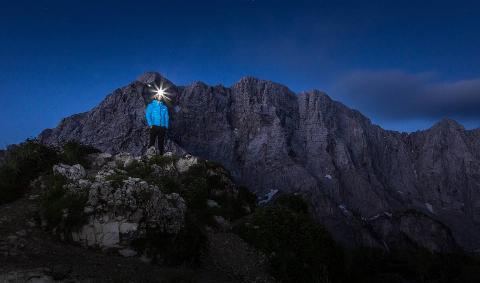
A dependable headlamp is essential, keeping your hands free and the path ahead visible. Choose one with adjustable brightness and a long battery life. Always carry spare batteries or a backup light too, just in case. Avoid using your phone flashlight for too long since it drains your battery fast and gives off uneven light. If you're hiking with others, angle your beam low to avoid blinding anyone nearby.
Keep Your Pace Steady and Short

Darkness can make distances feel distorted. Slow your pace a little to give yourself more time to react to roots, rocks, or uneven ground. Take smaller steps and avoid rushing, even if you're eager to reach your destination. Staying steady prevents dangerous slips and twisted ankles. It’s better to move carefully than to trip and spend the night nursing an injury miles from help.
Trust Your Ears as Much as Your Eyes
You'll notice the sounds of the trail more when vision is limited. Listen for running water, rustling leaves, or trail partners’ footsteps to help you stay oriented. Avoid loud music or earphones, as you might miss important cues. The night has its own rhythm, and paying attention to it helps you move with greater awareness of your surroundings.
Mark Your Route

In the dark, it's easy to wander off the path. Mark key turns or landmarks using reflective tape, a small light marker, or a GPS app. Make mental notes of terrain changes or unique shapes of trees and rocks. When in doubt, stop and reassess rather than guessing. A few extra minutes spent checking your location is worth avoiding hours lost later.
Protect Your Night Vision

If you use bright light constantly, your eyes won't adjust to the dark. Try using red-light mode on your headlamp to reduce glare and help your eyes adapt. When you stop for breaks, turn off the light for a bit to let your vision settle. Over time, your eyes will handle dim light better, letting you see more of the natural night around you.
Stay Warm and Stay Found

Temperatures drop fast at night. Pack an extra layer and know how to signal if something goes wrong. A whistle, reflective vest, or small strobe light can make a huge difference if rescuers need to find you. Share your hiking plan with someone before you go, and stick to known trails when possible. A bit of preparation goes a long way when daylight isn't there to guide you.
Navigating a trail after dark can seem scary, but all you need to be is aware. With the right tools, pace, and mindset, a nighttime hike can be peaceful, even beautiful. The stillness, the stars, and the rhythm of your steps create a kind of focus that daylight can’t. Plan carefully, respect the risks, and enjoy the unique calm that comes with walking through the world when most of it is asleep.