
Injured Or Sick In The Woods? Look For These Medicinal Plants
Injuries out in the woods can happen in an instant. A stumble, a slip, a thorn, or even just overexertion can turn a peaceful hike into a sudden emergency. If you're far from help, knowing a few medicinal plants could make a real difference. These aren't cure-alls, but they can help keep you moving and reduce the risk of a more serious injury. Here's are eight practical plants that grow in the U.S. wilds and can help in a pinch.
Yarrow

Yarrow grows in sunny meadows and forest edges. Look for feathery leaves and clusters of small white flowers. When pressed onto a fresh wound, yarrow can help slow bleeding, it's been used this way for centuries. Chew the leaves a bit to release their juices, then apply them to the wound like a poultice. It’s not sterile, but in the wild, it’s a solid start to controlling blood loss.
Plantain

Broadleaf plantain isn't the banana kind. It’s a low, leafy plant found on trails, clearings, and even driveways. If you get stung by an insect or brush up against nettles, crush plantain leaves and rub them directly on the skin. It can help ease the pain and reduce swelling. It’s especially helpful if you can’t stop scratching and risk an infection.
Pine Resin
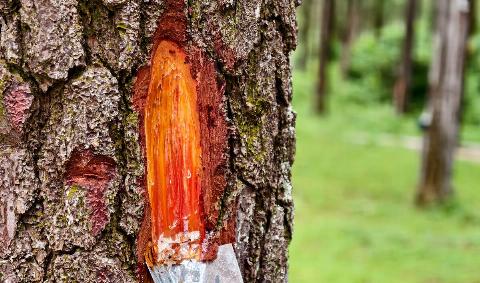
The sticky sap from pine trees is more than a mess on your boots. If you find a fresh wound, pine resin can be used to seal it off and help keep bacteria out. It also has some antimicrobial properties. Let the sap harden over the cut to create a band-aid of sorts and keep it closed. You can also warm it slightly and spread it if needed (and able), though be careful not to burn yourself.
Jewelweed

If you brush against poison ivy, jewelweed may be growing nearby, as it often grows in similar damp areas and is known to counteract the rash. Its juicy stems can be split open and rubbed on the affected skin. It doesn't always stop the rash completely, but it can calm the itching and may prevent it from spreading further if used soon after contact.
Willow Bark

If you find yourself with a sprain, headache, or inflammation, willow bark can help. White willow trees grow near water, and their bark contains salicin, a natural painkiller similar to aspirin. Scrape off a bit of the inner bark, chew it, or steep it in hot water to drink as a tea. The taste is bitter, but the relief is noticeable.
Mullein

Breathing trouble from smoke, allergies, or cold air can slow you down fast. Mullein grows tall, with fuzzy, soft leaves and a spike of yellow flowers. Its leaves can be steeped into a tea to help with coughs or chest tightness. It's not an emergency fix, but it can help clear your lungs and make breathing easier over time.
Blackberry Leaves

Blackberry bushes are often more nuisance than help, but the leaves can be useful. If you're dealing with an upset stomach or diarrhea, a tea made from young blackberry leaves may help settle your system. The same tea can also be cooled and used to rinse minor wounds, thanks to its mild astringent properties. Just make sure you’re not grabbing a poison ivy lookalike in the rush.
Elderflower

Elder trees are known for their clusters of white flowers and dark berries. The flowers, when steeped into a tea, can help bring down fevers and reduce inflammation. It's especially useful if you’re stuck somewhere overnight and need to stay as strong as possible. Look for it in open woods and along stream banks in late spring or early summer.
These plants aren't magic, and they aren’t replacements for medical care, but they offer something real when you have nothing else. Learning to identify and use them safely is a valuable skill, especially if you spend time outdoors. A little knowledge can go a long way toward comfort, survival, and keeping you moving forward until help arrives or you make it back on your own.