
The True Story Behind “Alive,” One Of The Greatest Survival Films Ever Made
People have always been drawn to survival stories. There’s something about watching people face impossible situations and somehow keep going that really sticks with us. And the movie Alive is a powerful example of these kinds of stories. It’s based on a true story, and it shows what happens when a group of people are pushed to their absolute limit for survival. But it’s not just about staying alive, as the title might have you believe. It’s about courage, teamwork, and the strength people can find when they have no other choice but to fight. Read on to learn about the incredible true story that inspired the movie.
Background of Uruguayan Air Force Flight 571

Uruguayan Air Force Flight 571 was supposed to be a simple flight. It was a chartered plane carrying 45 people, including a rugby team, their friends, and their families, on their way to Santiago, Chile. But as the plane crossed the Andes Mountains, things went horribly wrong. Bad weather rolled in, and the flight never made it to its destination. The plane crashed high in the mountains, leaving the survivors stuck in one of the most brutal environments on Earth. What happened next became one of the most powerful survival stories ever told.
The Crash

The crash of Flight 571 happened fast and was incredibly violent. One moment, the plane was flying like it was just a normal flight. The next, the plane hit the mountains and broke apart, throwing people and debris across the snow. The 33 passengers who survived the immediate crash were left shocked and scared, but there was no time to waste. Right away, they had to deal with serious injuries, freezing cold, and the terrifying fact that they were completely cut off from help. It was a moment that tested their strength and made them realize just how bad things really were.
First Days in the Harsh Environment

Right after the crash, the survivors had to figure things out fast, as five more people died by the morning of the second day. They didn't have much food or any idea if help was coming, so they focused all of their energy on staying alive. They used the broken plane for shelter and tried to stretch what little food they had, with one survivor even reporting eating one peanut over the span of days. But the Andes mountains were a tough place to survive. It was freezing cold, the air was thin, and avalanches were a constant danger. Still, they stuck together and did their best to keep going, leaning on each other for strength.
Adapting to Extreme Conditions

As the days stretched into weeks, the survivors found ways to take care of themselves using what they had from the crash. They used parts of the crashed plane to make tools and gear, figuring out how to meet their basic needs in creative ways. Their ability to adapt was one of the main reasons they were able to survive in the harsh conditions of the Andes. For some of the survivors, this was their first time seeing snow. They developed strategies to conserve energy and keep morale high, understanding that their survival depended on their ability to work together.
Leadership and Teamwork in Adversity
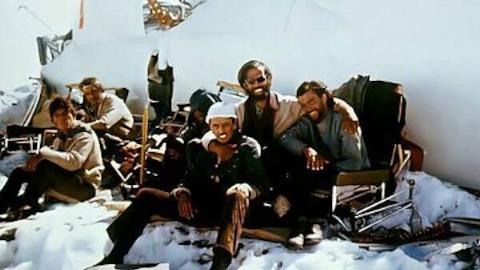
Working together and having good leaders made a big difference for the people trying to survive. Some in the group naturally stepped up and helped guide everyone through the hardest times while they waited for rescue. Their support gave others hope and helped keep the group focused. Teamwork mattered just as much, and everyone had to pitch in to help. Everyone leaned on each other and shared the work. They took turns doing chores, made all decisions as a group, and looked out for each other. Nobody took the blame for the hard decisions they had to make to survive.
The Moral Dilemma for Survival

One of the hardest parts of what the survivors went through was the tough choice they had to make to find food to eat. With no food and no sign of help coming, they had to do something most people could never imagine. To stay alive, they made the painful decision to eat the bodies of those who had died in the crash. It wasn't something they took lightly, and the decision weighed on their consciences long after. The final death, Numa Turcatti, died from his extreme revulsion to eating human flesh. But in such a desperate situation, they did what they had to do to survive.
The Search and Rescue Effort

Looking for the people from Flight 571 wasn't easy for rescue teams sent to find them. Bad weather and the remote crash location made the search very difficult. Still, rescue teams didn’t give up. As the weeks went by, it got harder to believe anyone could still be alive. The cold, rough conditions and no way to communicate with the outside world made things worse. But both the rescuers and the survivors kept going. In the end, their determination paid off, and the long nightmare finally started to come to an end for the crash survivors.
The Story of Survival Reaches the World

The way the survivors were finally rescued was truly amazing. After spending more than two months stuck in the Andes Mountains, two of them set out on foot to look for help. They climbed through rough mountain terrain and, against all odds, found someone who could go get help for the group. That led rescuers back to the crash site, and the rest of the group was finally saved. Of the 28 survivors who survived the initial crash, tragically only 16 survived to be rescued. Their story quickly spread around the world. People were moved by their strength, hope, and determination to keep going, even in the worst conditions imaginable.
The Making of "Alive"

The true story of Flight 571 was first written as a book, 'Alive: The Story of the Andes Survivors,' by Piers Paul Read, and later turned into a movie called Alive. The people who made the film talked with the real survivors to make sure they got the story right. Alive shows how intense and emotional their experience really was, and it helps viewers understand what they went through. The movie focuses on their courage, how they worked together, and how strong the human spirit can be. It helped share their story with the world so it wouldn't be forgotten, and is now considered to be one of the greatest survival movies ever made.
The Lasting Legacy of Flight 571 and "Alive"

The real story behind Flight 571 and the movie Alive still sticks with people because it shows just how strong and determined humans can be when it really matters. Even today, it inspires people and reminds us that we all have courage inside us. When we think about what those survivors went through in the Andes, it's a powerful example of how hope, teamwork, and not giving up can get us through the hardest times imaginable.