
Your Day-Hike Packing List—Everything You Need To Bring With You
A good hike doesn't begin on the trail, it starts with what you carry. Packing the right items can mean the difference between a smooth, rewarding outing and one that turns stressful fast. Whether you're a seasoned hiker or heading out for the first time, this guide will walk you through the essentials. These aren't just nice-to-haves, they're the basics that help you stay safe, comfortable, and prepared for the unexpected.
Water and a Way to Purify It

Obvious, yes, but still vitally important. Always bring more water than you think you'll need. One liter per two hours is a general rule, but weather and elevation can increase your needs. For longer, hotter, or unfamiliar routes, include a backup like a small filter or purification tablets. Streams might be available, but they’re never guaranteed to be clean. Running out of water can cut your hike short or even turn dangerous in remote areas.
Food That Lasts

You don't need a full meal, but you do need enough to keep your energy up. High-calorie snacks like trail mix, jerky, fruit, or protein bars are lightweight and travel well. Choose foods that won’t melt, spoil, or require utensils. Even on short hikes, hunger can sneak up on you, so bringing a little extra ensures you won’t be hiking on empty if plans change or the trail takes longer than expected.
Navigation Tools

Even familiar trails can be confusing to navigate sometimes, especially if you lose cell signal. A paper map and compass are relatively small but important to have as a backup. If you greatly prefer digital tools, make sure your phone is fully charged and download offline maps in advance. Relying only on trail signs or memory isn't enough. Weather, trail conditions, or missed turns can easily throw you off course, and it’s good to have a backup plan.
First Aid Basics
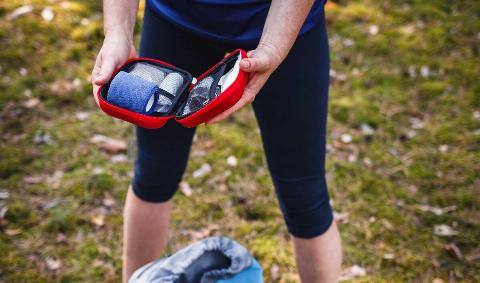
You don't need a full medicine cabinet with you, but a small kit with bandages, antiseptic wipes, blister pads, and pain relievers is worth the weight. Include any personal medications too. Cuts, scrapes, or sore feet are common, and dealing with them quickly keeps you moving. You may never need the kit, but the moment you do, you'll be glad it's there.
Layers of Clothing

Start with clothing that wicks moisture and dries fast. Cotton holds onto sweat and can chill you if there's even a slight breeze outside. Even if the forecast is sunny, bring a lightweight jacket or rain shell. Weather can change fast, especially in higher elevations or shaded woods. Staying warm and dry prevents that sort of personal discomfort and reduces risk of hypothermia, even in mild conditions. A hat and extra socks are smart to carry too. They take up little space, but add a lot of comfort.
Sun and Bug Protection

The sun doesn't need to be blazing for you to get burned. Bring sunscreen, sunglasses, and a brimmed hat since shade can be scarce, especially in open terrain. Insects can also ruin a good hike fast. Carry bug repellent and consider a long-sleeved shirt or gaiters if you’re hiking through brushy or buggy areas. A few precautions can help you avoid itchy bites or painful sunburns, both of which can linger long after the hike ends.
A Light Source

Even if you plan to be back before dark, bring a headlamp or flashlight with you. A late start, a longer trail, or an emergency could mean you're out past sunset, and you don't want to be caught in the dark with no way to see. A light helps you see the path ahead and any hazards along the way. It can also signal for help if needed. Your phone’s flashlight isn’t enough and drains the battery fast, so a real, reliable light source should stay in your bag.
Small Emergency Tools

A few simple tools can go a long way in an emergency. A small knife or multitool can help with everything from cutting food to gear repair. A lighter or waterproof matches let you build a fire in case you need warmth or help. A whistle is easy to forget, but can be heard far if you need to alert others. You don't need to pack for hardcore survival, but having these basics helps you respond if something goes wrong.
Something That Seals In Scent

Whether you're carrying food, trash, or hygiene items, having a way to contain odors matters more than most people think. Not only does it keep your pack from smelling, it helps avoid attracting insects or animals along the way. A compact container, ziploc bag, or pouch that locks in scent will keep things contained until you can throw the contents out safely (or remove them to be washed if it's dirty clothes you're storing).
A Clean, Dry Cloth

It sounds simple, but having a clean cloth on hand can be surprisingly useful. From drying off sweaty skin or wet gear to wiping down your hands before eating, a small cloth can handle a lot. It’s lighter and quicker to use than a towel and more durable than tissues or napkins. It also means you won't be carrying around garbage after you use it. One clean cloth can cover a dozen little needs during a hike without taking up much space.
A Foldable Bag

At some point, you'll wish you had something to carry extra things in. Whether it’s a shed layer, some found trash, or wild edibles you're allowed to take, an extra bag gives you options. It should be lightweight, compact, and strong enough to carry damp or dirty items away from your main gear.
Gloves

Slipping on loose gravel, climbing over rough terrain, or moving branches out of your way can do a number on your hands. A lightweight pair of gloves protects your skin without overheating you. They also come in handy in sudden cold, or when handling hot gear or rough straps. If you can, get a pair that's good for protection and warmth. Otherwise, even a simple pair of gardening gloves can work!
Duct Tape

Duct tape is a universally flexible fix-it item, able to patch clothing, stop a blister, fix a strap, or hold gear together in a pinch. Wrap a few feet around a trekking pole or water bottle so it's easy to carry without adding weight. When something breaks or needs reinforcing mid-hike, having duct tape on hand can be the difference between continuing comfortably or heading home early.
Packing smart is part of hiking smart. You don't need to carry everything you own, but you do need to be ready for what the trail might throw your way. These essentials keep you safe, comfortable, and ready to enjoy the time outdoors. Preparation isn’t just for long treks or remote areas. It matters on every hike. With the right gear, you can focus less on what you forgot and more on the reason you came: to enjoy the journey.