
12 Incredible Facts About Dolphins
It's easy to look at a dolphin's smile and assume they’re just happy ocean swimmers, but there is a lot more going on beneath the surface. They're actually some of the most complex creatures on our planet! From their unique social structures to their advanced hunting techniques, these marine mammals continue to surprise scientists and enthusiasts alike. Let’s explore some facts that show just how incredible these animals really are.
They Use Individual Names

You might think dolphins just whistle randomly, but they actually have signature whistles. These act like names. Each dolphin develops a unique sound to identify itself early in life. When they want to call a specific friend or family member, they mimic that individual's unique whistle. It’s a level of self-awareness and social communication that’s rarely seen in the animal kingdom outside of humans.
They Never Fully Sleep

Dolphins can't go into a deep unconscious state because they have to remember to breathe. Instead, they use unihemispheric slow-wave sleep. This means they shut down only one half of their brain at a time while the other half stays awake to monitor breathing and predators. They'll keep one eye open during this process too. It’s a brilliant survival tactic that lets them rest without ever being truly vulnerable.
They're Master Healers

Dolphins have an amazing ability to recover from serious injuries, they can even survive shark bites that would be fatal to most other animals. Their bodies are incredibly resistant to infection, and they don't bleed out from deep wounds. Scientists are still studying how their tissue regenerates so quickly without leaving massive scars. It's almost like they have a natural superpower for healing that keeps them thriving in the wild.
They Recognize Themselves in Mirrors

Self-recognition is a big deal in biology, as most animals think their reflection is a different individual (seen often with domestic pets who get confused once they see a mirror). Dolphins, however, pass the mirror test with ease. They'll even use a mirror to inspect marks on their bodies that they can't see otherwise! They understand that the image in the glass is "me" and not another dolphin, which instantly puts them in a higher intelligence bracket among the animal kingdom.
They Help Other Species

There are many documented cases of dolphins helping humans or other animals in distress. They've been known to circle swimmers to protect them from sharks or lead lost whales back to deep water. This isn't just instinct either, it seems to be a form of empathy. They recognize when another living thing is in trouble and often take direct action to help, even if there's no immediate benefit to them.
They Use Tools to Hunt

In Western Australia, some dolphins have figured out how to use sea sponges as tools. They place the sponges over their snouts to protect themselves while poking around the seafloor for fish. This behavior is passed down from mothers to daughters, meaning they're also capable of teaching and learning complex tasks. Using external objects to solve a problem is a clear sign of high intelligence and cultural transmission within their groups.
They Have Large Brains

When you look at the brain-to-body weight ratio, dolphins are second only to humans. Their brains are highly folded, which allows for more surface area and complex processing power. They even have a paralimbic system that's specialized for processing emotions. This explains why their social bonds are so strong and why they seem to experience a wide range of feelings. They aren't just acting on raw instinct like most animal, they're thinking and feeling.
They Work With Local Fishermen

In some parts of Brazil, dolphins and humans have a partnership that's lasted for generations. The dolphins herd schools of fish toward the shore and then signal the fishermen to throw their nets. The fishermen get a big catch, and the dolphins eat the fish that escape the nets. It’s a rare example of two different species working together for a common goal, especially when one of those species is human!
They Don't Drink Water

It sounds strange for an animal that lives in the ocean, but dolphins don't drink seawater. If they did, the salt would dehydrate them, just like us. Instead, they get all the hydration they need from the fish they eat. Their kidneys are also very efficient at extracting water and filtering out excess salt. It's a perfect physiological adaptation for life in a salty environment where fresh water isn’t an option for them.
They Live in Complex Societies

Dolphin pods aren't just random groups of animals. Each pod has intricate social hierarchies and long-term friendships. Some males form "alliances" that last for decades to help each other find mates or defend territory. They communicate constantly and have specific social rituals. These relationships are the backbone of their lives. If a member of the group is sick or injured, the others will often stay by its side to keep it afloat.
They Enjoy Playing
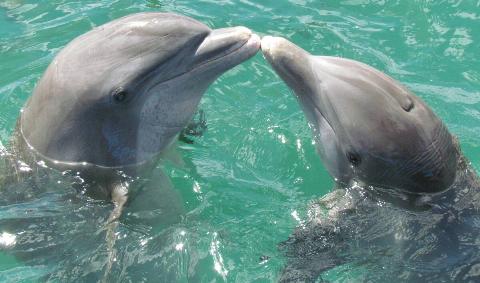
Dolphins are among the few animals that play just for the sake of it. You'll see them riding the bow waves of boats, surfing in the waves, or playing with seaweed. They even blow bubble rings and manipulate them in the water. This play isn't just for fun, it helps young dolphins develop motor skills and social bonds. It’s a sign of a high-functioning brain that needs stimulation and enjoys creative interaction.
They Have Two Stomachs

Dolphins don't chew their food, they swallow fish whole. Because of this, they need a specialized digestive system, so they technically have at least two stomachs. The first stomach acts as a storage compartment that begins the breakdown of the food, while the second stomach is where the actual digestion happens. This setup allows them to eat a lot of food quickly when it's available and process it later.
Dolphins are truly remarkable creatures that bridge the gap between the wild animal world and the kind of intelligence we usually associate with humans. Their ability to solve problems, form deep emotional bonds, and communicate with such precision is a testament to their complexity. By understanding more about them, we can better appreciate the need to protect their ocean homes. They aren't just part of the sea, they're one of its greatest wonders!