
12 Weather Myths That Could Put You At Risk
When severe weather hits, instinct often takes over. However, many common safety tips passed down through generations are actually based on misunderstandings of physics or meteorology, and following the wrong advice can turn a manageable situation into a dangerous one. This guide clarifies popular weather myths with practical facts. Understanding the science behind these phenomena helps you make better decisions, ensuring you and your loved ones stay protected during unpredictable events.
Opening Windows Equalizes Pressure

Many people believe they should crack open windows during a tornado to prevent their house from exploding. This myth assumes that the pressure drop outside can cause buildings to burst. In reality, houses dont explode from pressure, they're destroyed by high winds and debris. Opening windows actually allows wind to enter the home, lifting the roof and weakening the structure. You should keep windows closed and move to a basement or interior room immediately.
Lightning Never Strikes Twice

The idea that lightning wont hit the same spot twice is a dangerous lie. Lightning follows the path of least resistance and often strikes tall, pointed objects repeatedly. The Empire State Building alone is hit dozens of times every year. If you're caught in a storm, don't assume a spot is safe just because it was hit once. Stay away from high ground and metal structures until the storm has completely passed by.
Rubber Tires Protect You

While you're generally safe inside a car during a storm, it isnt because of the rubber tires. as tires are generally too thin to insulate you from a massive electrical discharge. The safety comes from the metal frame of the vehicle, which acts as a cage that directs the electricity around the exterior and into the ground. This only works in hardtop vehicles, though. Convertibles or motorcycles wont provide the same protection against a direct strike.
Hide Under Overpasses

Seeking shelter under a highway overpass during a tornado is a life-threatening mistake. These types of structures can create a wind tunnel effect, actually increasing the wind speed as it gets squeezed through the narrow opening. You're also at high risk from flying debris and the potential collapse of the bridge. If you're on the road, it's safer to find a sturdy building or lie flat in a low ditch away from cars.
Heat Lightning Is Harmless

People often refer to distant flashes in the sky on summer nights as heat lightning, believing it's caused by high temperatures, but there's actually no such thing as lightning caused by heat alone. What you're seeing is a real thunderstorm that's simply too far away for you to hear the thunder, and that storm could be moving your way quickly. If you can see the flashes, you're close enough to be at risk if the wind picks up.
Flash Floods Only Happen Near Rivers

You dont need to live near a river to experience a flash flood. Intense rainfall can overwhelm drainage systems in urban areas or cause rapid runoff in canyons and hillsides. Many people wait too long to evacuate because they don't see a rising bank. If authorities issue a flash flood warning, move to higher ground immediately. Just six inches of fast moving water can knock you off your feet or stall your vehicle.
Green Clouds Mean A Tornado

While a greenish tint in the sky often accompanies severe weather, it isnt a guarantee that a tornado is forming. This color occurs when sunlight is scattered by heavy moisture and hail within a deep cloud. It does usually indicate a very strong thunderstorm is present, which could produce large hail or damaging winds. While you should take cover from the storm, don't wait for the sky to turn green before you seek safety.
Thick Winter Coats Prevent Hypothermia

In extreme cold, a heavy coat isnt enough if you're working hard or getting wet. Sweat can soak your inner layers, leading to rapid heat loss once you stop moving. The best way to stay safe is by wearing multiple thin layers that wick moisture away from your skin. Wet clothing pulls heat from your body much faster than dry air, so always prioritize staying dry over simply wearing the thickest jacket you own.
Mountains Protect Cities From Tornadoes

Many believe that rugged terrain or mountain ranges act as a physical shield against tornadoes. This, however, is a dangerous misconception. While hills can occasionally influence a storm's path, they won't stop a powerful vortex. Tornadoes have been documented climbing steep ridges and even crossing the Appalachian Mountains. If you live in a mountainous region, don't let the landscape give you a false sense of security, always have a basement or interior room ready.
Tape On Windows Prevents Shattering
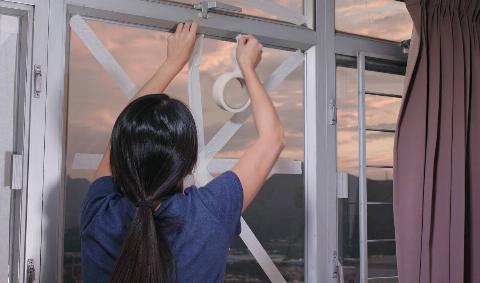
During hurricanes or high winds, people often apply masking tape in an X pattern on their windows, thinking it will strengthen the glass or prevent it from breaking into smaller shards. Tape does nothing to increase the strength of the window. In fact, it's more dangerous because it creates larger, heavier pieces of broken glass that can cause more significant injuries. Investing in impact-resistant windows or permanent shutters is the only effective solution.
Tall Buildings Always Protect The Ground

There's a common thought that skyscrapers act as giant lightning rods that keep the surrounding streets safe. While these buildings are frequently hit, they don't create a wide bubble of safety for everyone nearby. Lightning can still strike a shorter object, a tree, or even a person standing just a few feet away from a tall tower. Proximity to a tall structure doesn't mean you should stay outside during an active thunderstorm.
Tornadoes Cant Cross Water

Some believe that lakes or rivers act as a barrier against tornadoes, but this is false. Tornadoes that move from land to water are called waterspouts, and they can be just as intense as land-based storms. A body of water wont break up the rotation or protect a city on the other side. If a warning is issued for your area, take cover regardless of any nearby rivers or lakes that you might see.
Safety during a storm relies on accurate information rather than folklore. By letting go of these common myths, you can focus on actions that actually save lives, like staying indoors and monitoring official alerts. Preparation is your best defense against the elements. It's always better to be over-prepared for a minor event than caught off guard by a major one. Stay informed and stay safe.