
Always Do This One Thing Before Recycling Plastic Bottles
Most of us want to recycle the right way. We sort our trash, rinse containers, and toss plastics in the bin, hoping it all helps. However, there's one simple step that often gets skipped, and it makes a bigger difference than you’d think. It’s easy to remember, takes less than a second, and helps the recycling system run more smoothly. If you’re recycling plastic bottles, always do this one thing first.
Put the Cap Back On

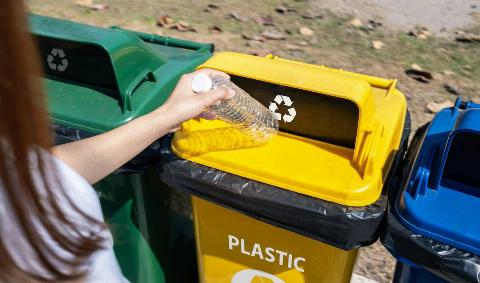
That's it. Put the cap back on the bottle before you recycle it. It might feel wrong, especially if you’ve been told to remove it in the past. But recycling practices have changed, and modern recycling centers are equipped to handle bottles and their caps together. In fact, removing the cap often does more harm than good.
Caps Are Too Small on Their Own

When bottle caps are tossed into the recycling bin separately from their bottles, their small size means they often fall through sorting equipment. This sends them straight to the trash, even if they’re recyclable. They can even jam up machines by slipping through the cracks. When the cap is secured on a bottle, the whole unit is easier to collect, sort, and process. Keeping them together gives the cap a better shot at being reused.
Crush the Bottle Before Capping

To make things even easier for recycling facilities, squeeze the air out of the bottle and then screw the cap back on. This helps save space in both your bins and their trucks, making transport and processing more efficient. A crushed bottle takes up less room, reduces the chance of contamination, and still allows the cap to be recycled properly.
Preventing Plastic Pollution

Loose caps are one of the most common forms of plastic litter found in oceans and on beaches. They're lightweight, easy to lose, and dangerous to wildlife. Birds and marine animals can mistake them for food, often with fatal consequences. By keeping the cap on, you help ensure it gets processed correctly instead of ending up in the environment. It’s a practical way to reduce waste and protect nature.
Helping the System Work Better
Recycling is only effective when materials reach the right place in the right form. When we follow simple guidelines like keeping caps on bottles, we support the entire system. It reduces the need for manual sorting, lowers contamination, and helps recycled plastic actually become something new!
There's a lot about recycling that can feel confusing, but this part doesn’t have to be. Put the cap back on, and teach others to do the same when you can! It’s a small habit that makes a big difference. Recycling is a group effort, and the more we get right, the more effective it becomes for everyone.