
America’s Least Visited National Park Is Actually Gorgeous
Every year, millions of people head to America's national parks in search of fresh air, open landscapes, a beautiful scenery. The most popular parks often deliver just that, but with them come packed parking lots, busy trails, and long lines at visitor centers. For travelers looking for something different, something quieter and more personal, there's a place that offers exactly that. It's not on most maps or lists, but that’s part of the reason it stands out.
A Record Year for National Parks

National parks are seeing more visitors than ever. In 2024, over 330 million people explored U.S. parklands. Places like the Great Smoky Mountains, Zion, Yellowstone, and the Grand Canyon drew millions, popular for their scenery and wildlife, saw tons of those visitors. But away from the crowds, one park stands apart. The National Park of American Samoa welcomed just over 22,000 visitors, making it one of the least visited parks in the system, and that's exactly what makes it special.
A Hidden Island Escape

The National Park of American Samoa offers something many parks can't: peace. Located far from the mainland United States, it gives travelers a break from the noise and rush of daily life. This tropical park is known for its untouched rainforests, colorful coral reefs, and deep cultural roots. You’ll find warm water, lush green trails, and a slower pace that encourages you to truly pause and take it all in.
Getting There Takes Planning

Of course, this park is a little out of the way. It lies in the South Pacific, spread across the volcanic islands of Tutuila, Ta'ū, and Ofu. It's about 2,600 miles southwest of Hawaii. Most visitors fly to Pago Pago on Tutuila, with Hawaiian Airlines offering two weekly flights from Honolulu. From other Pacific islands, you can connect through Samoa. It's best to book early, though. Thanks to its warm climate, the park is an ideal place to escape the cold winter months.
Where Nature and Culture Thrive Together
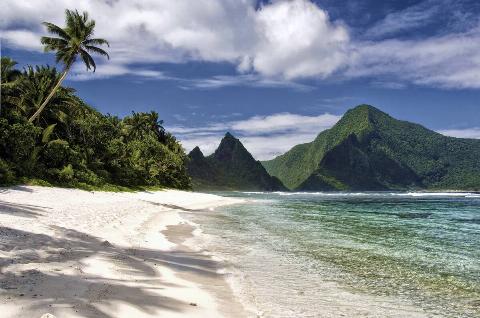
Established in 1988, the park protects over 8,000 acres of tropical rainforest, coral reef, and cultural heritage. It's home to hundreds of plant and animal species, including rare fruit bats that pollinate native trees. The reefs host over 900 types of fish and have stayed strong despite rising ocean temperatures. This land supports both scientific research and Samoan traditions, especially in how nature is used for food, medicine, and ceremony.
The Samoan Way of Life

People have lived in Samoa for nearly 3,000 years. Today, local villages still follow fa'asamoa, a way of life centered on family, respect, and living in balance with the land. Unlike other U.S. parks, this land is leased from local communities. This helps preserve the traditional relationship between people and place. Visitors may notice how the community shares food, values nature, and has a sense of togetherness unlike anywhere else.
Sacred Sites and Cultural Connections

The park protects areas like Saua, where Polynesian culture is believed to have begun. These places hold deep cultural and historical meaning to the Samoan people, and you can learn all about them by visiting the center in Pago Pago. Cultural history isn't just a side note here, it shapes the entire experience. The park works to keep these traditions alive while also welcoming visitors to learn and explore with respect and understanding.
Adventures Above and Below Water

Hiking and snorkeling are two of the best ways to enjoy this park. Trails range from short walks to challenging climbs, often with sweeping views and native wildlife. The marine life is just as vibrant, with coral reefs that are perfect for snorkeling or diving. On land or underwater, it's best to come prepared, since rentals are limited. What you'll find is a rare kind of beauty, both natural and cultural, that’s hard to match anywhere else.
A visit to the National Park of American Samoa isn't just about tropical weather or beachside views. It’s about slowing down, learning from a different way of life, and finding moments of real peace away from the business of everyday life. As winter sets in and the usual vacation spots fill up fast, this island park offers a rare chance to trade crowds for calm and cold winds for warm ocean air. It’s not the easiest place to reach — and that’s exactly the point.