
Ancient remedies that are still in use by modern medicine
A lot of people think ancient medicine is a thing of the past, but the truth is, some of that old wisdom still holds up today. In many parts of the world, traditional healing techniques and natural remedies are still being used right alongside modern medicine. Some of these practices have been around for thousands of years—and for good reason. Here are a few of the most well-known ones that people still turn to when they want something tried and true.
Milkweed

The thick white sap of milkweed has a long and curious history. It goes by many names, both scientific and folk, and was first written about in The Complete Herbalist by Nicholas Culpeper back in 1826. He claimed it was a helpful treatment for warts. But don't go dabbing it on your skin just yet. Milkweed, also known as petty spurge, may be native to Europe, but it eventually made its way to Australia thanks to a biochemist named Dr. Jim Aylward.
More on Milkweed

Dr. Aylward had been fascinated by the plant ever since he saw it growing in his mother's garden. She swore by its powers. In 1997, he decided to study it more closely and ended up isolating its active compound, ingenol mebutate. Years later, that compound became the basis of a gel called Picato, which has shown promising results in clinical trials for preventing lesions from turning into dangerous skin cancers.
Leeches
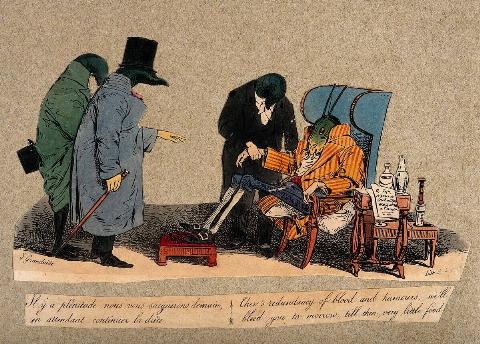
Leeches might sound like something out of a medieval horror story, but they've actually been used in medicine for centuries. Long ago, doctors believed that illness came from imbalances in the body’s four fluids—blood, phlegm, black bile, and yellow bile. This idea, which came from the ancient Greek physician Hippocrates, led to the practice of bloodletting. And leeches? They were one of the most popular tools for the job.
Leeches Continued

By the 1830s, leech therapy was in its heyday, especially in Europe. France was importing tens of millions of them each year. The thinking was that draining "excess" blood could help restore balance and health. As science moved forward, bloodletting mostly faded away, but surprisingly, leeches never fully disappeared.
Today, they're still used in modern medicine. Surgeons in places like London rely on them during delicate procedures, especially after microsurgery, to help remove pooled blood and support healing. And if you’re wondering where all those leeches come from now? Look to Wales. It’s become a hub for leech farming, supplying hospitals around the world with these slippery little helpers.
Willow Tree

Back in ancient times, pain was a constant part of life. Injuries, illness, and endless wars meant people often suffered without much relief. But early healers weren't without hope. Writings from ancient Egypt and the Greek physician Hippocrates mention using willow tree bark to ease pain. It wasn’t just folklore—by 1763, the Royal Society had confirmed that willow really did help.
What Can Willows Do Today?

Still, it wasn't until 1915 that things changed in a big way. That’s when Bayer began selling a pain reliever made from willow bark and gave it a name we still know today: aspirin. Over a century later, aspirin is still going strong, with scientists around the world studying it in nearly a thousand different clinical trials each year.
Snowdrops

Snowdrops aren't just a pretty sign of early spring—they’re also the main natural source of galantamine, a compound used to treat people living with Alzheimer’s disease. While it was the Soviets who first began formally studying how snowdrop extract might help with memory and cognition, old folk stories go back much further. In Bulgaria, it’s said that people used to rub crushed snowdrop leaves on their heads to ease bad headaches. According to Professor Heinrich, the Soviets became interested because this traditional remedy seemed to work quickly—and people had been using it for generations.