
Can Your Shed Handle A Snowstorm? How To Know
A shed might seem like a sturdy little building, but when a heavy snowstorm hits, even the toughest structures can struggle. Snow brings weight, moisture, and freezing temperatures, all of which test the limits of your shed's construction. If you rely on your shed to store tools, equipment, or anything valuable, you need to know it’s up for the challenge. Here’s how to tell if your shed can weather a storm or if it’s time to make some improvements.
Start Up Top

A shed's roof is its first line of defense. If it sags under normal conditions, snow could push it past its limit. Look for signs of warping or soft spots. A well-built shed should have a strong pitch, preferably above 30 degrees, to help snow slide off. Flat or low-pitched roofs are especially vulnerable. Reinforcing rafters and upgrading materials might be necessary if the structure wasn't designed to withstand heavy loads.
Consider the Materials

Not all sheds are built from the same stuff. Metal sheds can buckle under snow weight without internal support. Plastic sheds tend to crack in freezing temperatures. Wood is more forgiving, but only if it's treated and in good shape. If your shed is made from thinner, budget materials, it’s at risk. The thicker and better-insulated the structure, the better it will hold up when temperatures drop and snow piles high.
Check the Foundation

A shed is only as strong as what it stands on. If the base isn't level or is beginning to rot, a storm can shift or even collapse the structure. Water can pool around weak foundations, freeze, and cause cracks or buckling. Make sure your shed is raised slightly off the ground, supported by a stable, water-resistant base. Concrete pads or pressure-treated wood platforms are your best bet.
Wind Guarding

Snowstorms come with wind. If your shed has gaps around the doors or along the seams, snow and moisture can blow inside. That moisture turns into mold or rust, depending on what's inside. You might not notice small leaks during light rain, but snow melt can find its way into every corner. Use weather stripping and caulking to tighten things up before the winds pick up.
Keep Air Flowing
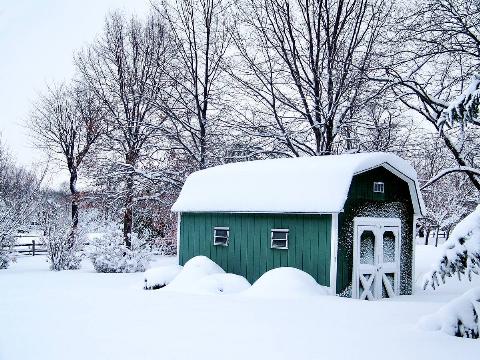
In contention with the last point a bit, sheds do need some sort of airflow going on. Without it, warm air from the ground or sun can cause condensation inside. That moisture gets trapped, damaging both the structure and its contents via rust or mold. A couple of small, screened vents near the roof can make a big difference. Just make sure they're protected from snow blowing in.
Don't Wait

Even if your shed is built solidly, no structure should hold too much snow for long. Wet snow is especially heavy. If a major storm dumps several inches or more, take the time to clear it off the roof with a roof rake or a broom. Don't let it sit and soak in. Waiting too long risks water damage when it melts, and excess weight can lead to structural failure, even in newer sheds.
A snowstorm doesn't have to mean trouble for your shed, but it will test its limits. By checking key parts of the structure before the first couple of flakes fall, you can make sure everything’s in working order. Most problems are easy to fix if caught early. A bit of preparation now can save you a lot of frustration (and money) when winter shows its full force.