
What’s The Difference Between Birding And Bird-watching?
You've likely heard of bird-watching, and maybe you've heard of birding, but do you know what makes them different? Most people use these terms interchangeably, but they actually carry different weights. Whether you are peering through a kitchen window or trekking through a marsh at dawn, you're participating in a storied tradition, and understanding the distinction helps you find the community that matches your pace.
Casual Observer

Bird-watching is generally seen as a relaxed hobby. It's something you do while enjoying a morning coffee or sitting on a park bench. The focus is on the aesthetic pleasure of seeing a bird. You don't necessarily need to know the species name to enjoy its color or song. It's a more passive activity that fits into your existing lifestyle without requiring a change in plans or specialized gear.
Focused Pursuit
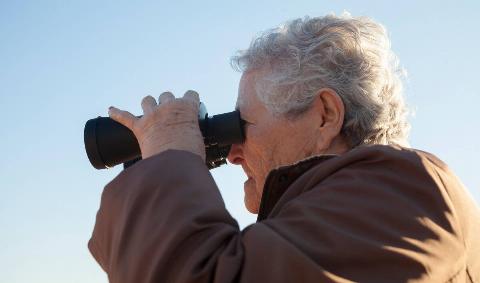
Birding is often described as bird-watching with a purpose. It's a more active, intent driven pursuit where the goal is often to identify, document, and study different species. Birders are likely to travel specifically to see a rare bird. They treat the activity like a sport or a scientific study. While bird-watchers wait for birds to come to them, birders go out and find where the birds are hiding.
Gear And Gadgets

A bird-watcher might own a basic pair of binoculars or simply use their naked eye. They're content with what's visible from the porch or along their walk. In contrast, a birder usually invests in high quality optics like spotting scopes or even specialized cameras. They use apps and field guides to log their sightings. For a birder, the equipment is a necessary tool to help distinguish between two very similar looking species in the brush.
The Art Of Listing

The concept of a life list is central to the birder identity. This is a comprehensive record of every bird species a person has ever seen. Birders often keep multiple lists based on their backyard, their county, or the current calendar year. Bird-watchers rarely feel the need to keep score. They find satisfaction in the moment of the sighting itself rather than the act of checking a box in a notebook.
Acoustic Awareness

Sound plays a major role for the dedicated birder. They might spend hours learning to identify birds by their calls and songs, a skill known as birding by ear. This allows them to find birds that are hidden in thick trees or bushes. A bird-watcher might hear a beautiful melody and appreciate it for its beauty alone, they're less likely to dissect the specific syllables to identify the singer.
Social Circles

Bird-watching is often solitary, or maybe shared with a close friend. It's low pressure and personal. Birding has a much more robust social infrastructure. Birders can join clubs, participate in competitive events like a Big Day, and share real time alerts about rare sightings. They enjoy the thrill of the chase and the communal celebration that happens when a group successfully tracks down a rare species.
Conservation And Data

Because birders document their sightings so meticulously, they often contribute to citizen science. Platforms like eBird allow them to share data that helps scientists track migration patterns and population health. Bird-watchers contribute to conservation by maintaining feeders and creating bird friendly habitats in their yards. Both groups play a vital role in protecting wildlife, but birding provides the raw data that drives modern avian research and policy.
Regardless of which label you prefer, the goal is the same: to connect with the winged creatures that share our environment. There's no wrong way to appreciate a bird. You can be a birder on the weekends and a bird-watcher during the work week. The most important thing is that you find joy and a sense of wonder when you look toward the sky, as nature is big enough for everyone to find their place.