
Why You Should Never Wrap Your Luggage In Plastic Before A Flight
Wrapping your suitcase in plastic might be a tip you've heard before or seen on collection belts yourself. The main appeal is that you'll know for sure whether your bags been opened or tampered with, but some believe it also protects your bags from surface damage like scuffs and tears. Even with those two reasons, is it still worth it? Let's take a look.
Manual Security Obstacles

When you arrive at the check in counter with a home wrapped bag, you're immediately a person of interest. Security screeners frequently pull these bags aside because they can't easily see the luggage's exterior features. If they need or otherwise decide to inspect the contents, they'll use heavy duty shears to simply cut your hard work away. You're left with a sticky, half peeled mess that's hard to handle.
Identification And Recovery

If your luggage loses its paper tag, the plastic wrap makes it much harder for you or airline staff to identify it. It covers up unique marks, stickers, or brand logos that help distinguish your bag from hundreds of others. If the wrap gets scuffed or dirty, your contact information underneath might become completely unreadable. It's always safer to have your ID tags clearly visible and accessible on the outside of the bag’s actual handle or body.
Smothering Your Suitcase

Luggage materials like leather or certain high end fabrics need to breathe during temperature changes. When you tightly encase a bag in plastic, you trap moisture and air inside. As the plane climbs and the cargo hold pressure changes, that trapped air can cause the plastic to puff up or even burst. In humid climates, this can lead to condensation buildup, which creates a musty smell or even mildew on your bag's surface.
Friction Hazards

Airport conveyor belts and sorting systems use rubber rollers that need a certain amount of grip to move bags along. Home plastic wrap is often much thinner and slicker than any sort of professional airport wrap. This makes your bag a literal slip hazard on the belt. It can slide off the tracks or get caught in the machinery's moving parts. If your DIY wrap tears and tangles in the sorter, your bag might be delayed for hours, or even lost, while technicians fix the jam.
The False Sense Of Security
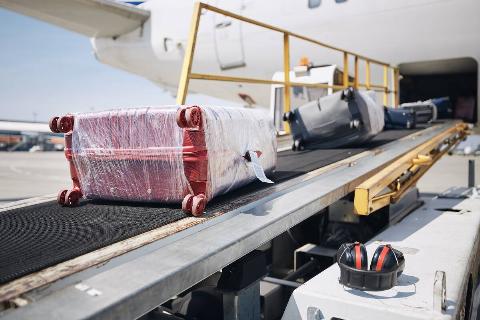
Many people wrap bags to prevent theft, but a determined thief isn't stopped by thin plastic. In fact, wrapping your bag can sometimes signal that there's something highly valuable inside, drawing unnecessary attention to your belongings. A sturdy, hard shell suitcase with built in locks is a much more effective deterrent. You're better off blending in with the crowd rather than making your luggage look like a high stakes prize for someone to target.
Hidden Damage Risks

When your bag is encased in tight plastic, it's hard to see if any damage occurs during transit. If a wheel snaps or the frame cracks, you won't notice it until you're back at your hotel and have peeled the layers away. Most airlines require you to report damage before you leave the airport. By wrapping your luggage, you're effectively blinding yourself to issues that you could've claimed for immediate compensation at the arrivals desk.
Environmental Impact Issues

Single use plastic is a massive burden on our planet. Every time someone wraps a suitcase, they're creating a huge amount of non recyclable waste that goes straight to a landfill after one flight. If you still want to wrap your bag, there are plenty of sustainable alternatives, like reusable fabric covers, that protect itjust as well without adding to the global plastic crisis we're currently facing.
Taking care of your belongings is a good habit to have, but plastic wrap just isn't the right tool for the job. It creates more work for you and the airport staff while offering very little real protection. Your suitcase is designed to be a durable enough for travel on its own. Next time you pack, leave the plastic in the kitchen and let your luggage do what it was made to do.