
"Somewhere Over the Rainbow" was nearly cut from The Wizard of Oz, despite becoming one of the most iconic songs in film history. At the time, MGM executives reportedly worried the scene slowed the movie's momentum right when the story was starting to pick up. They also felt the sequence—set in a simple barnyard—didn’t match the big, colorful spectacle they wanted for the film, and the song itself was considered too sad and subdued. Some feared audiences wouldn’t respond well to such a quiet, emotional moment in an otherwise lively fantasy. In the end, though, the scene stayed in the movie, and it became one of its most memorable highlights.
These Facts Sound Totally Fake, But They're 100% True
Whether you're a fan of unusual trivia or just need to kill a few minutes, it's never a bad idea to add new knowledge to your repertoire - and today, we've got a doozy for you. From the inside story behind some of Hollywood's best-known films to the unexpected historical happenings that helped shape our modern world, here are a bunch of random facts that might sound made up, but are absolutely real.
The Wizard of Oz almost cut its signature song
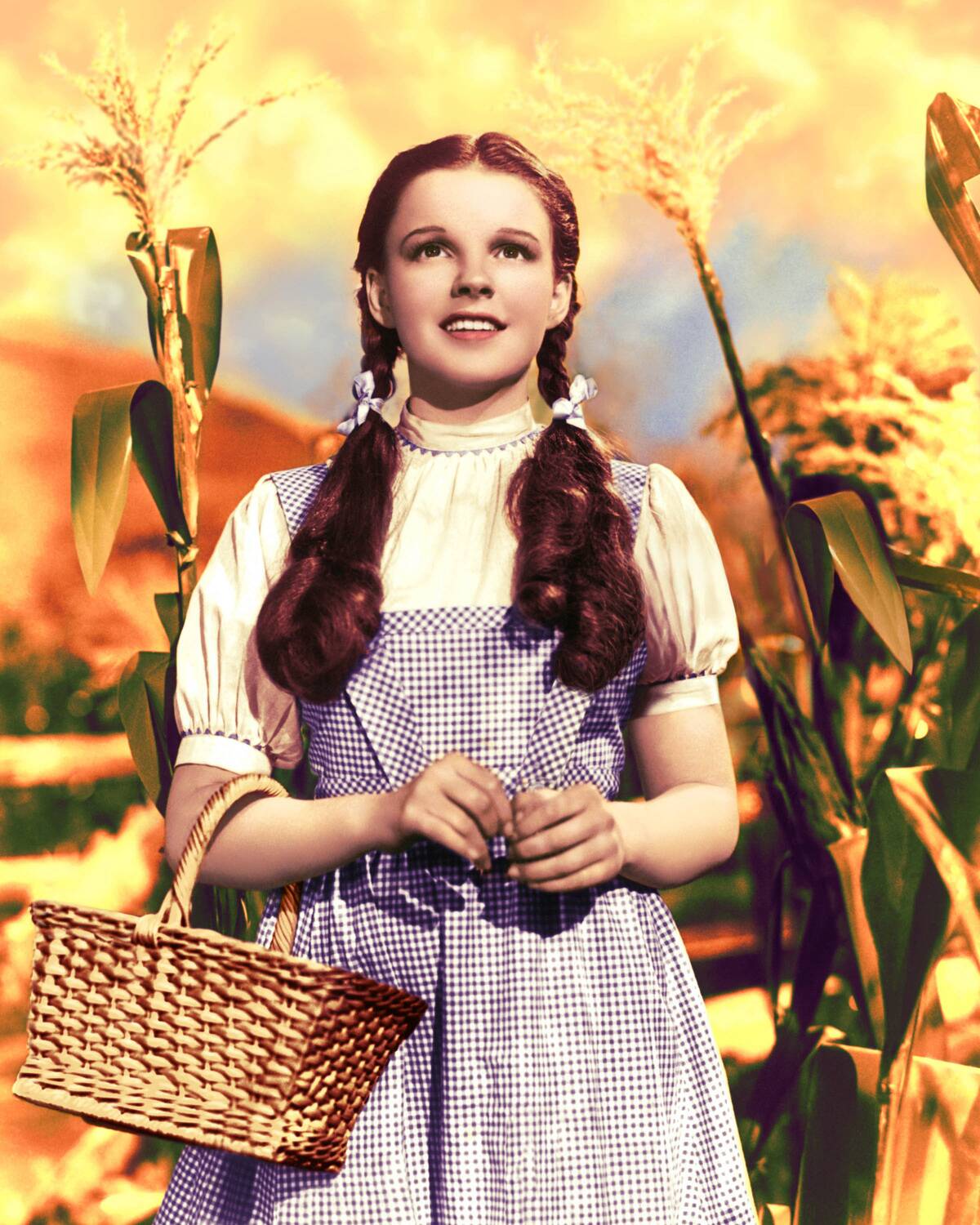
Photo by Silver Screen Collection/Hulton Archive/Getty Images
Gunther was never a planned character on Friends
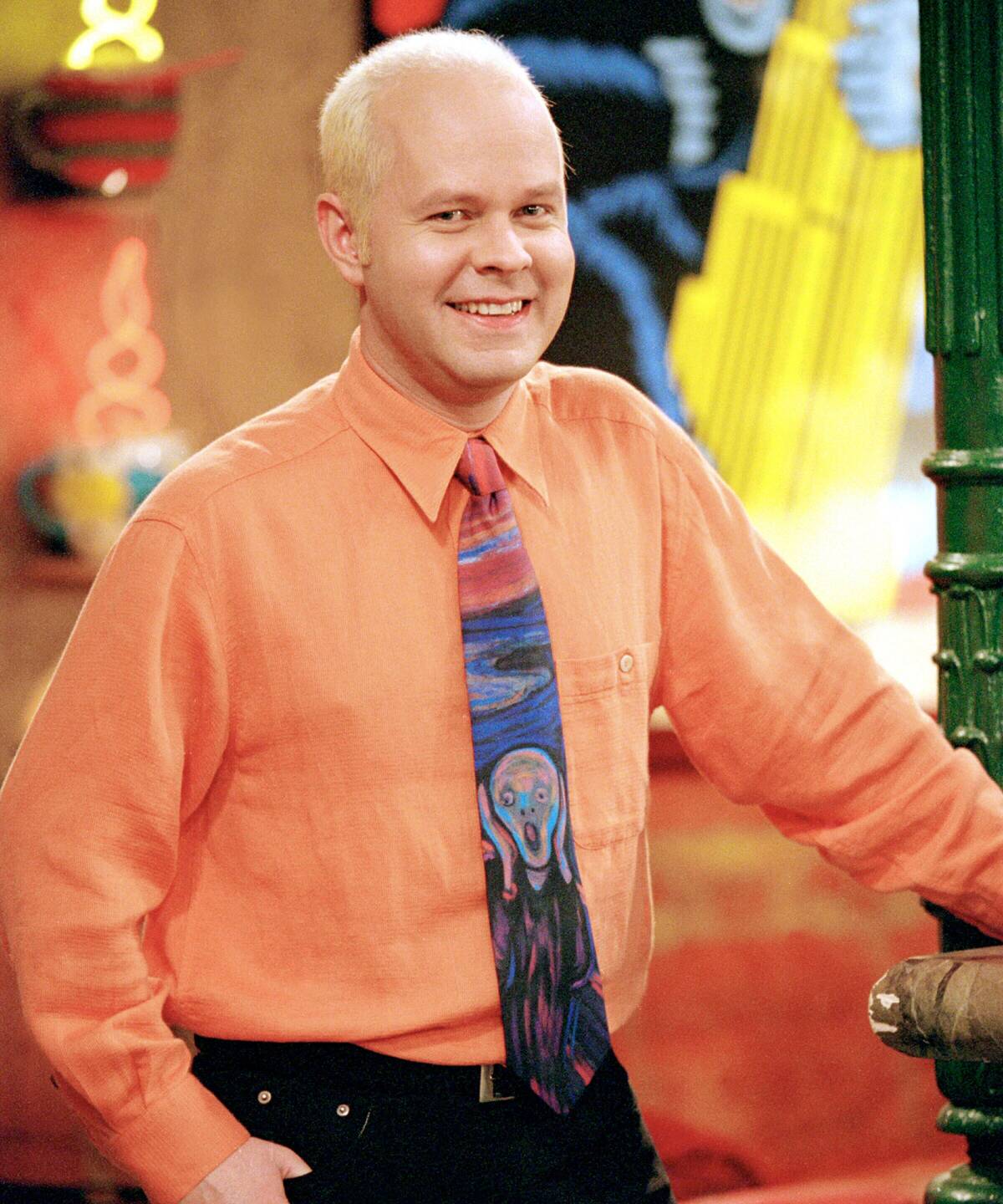
Photo by The WB Television Network via MovieStillsDb
Gunther from Friends is instantly recognizable thanks to his bright, bleached blond hair—but that signature look wasn't originally planned for the character. James Michael Tyler first joined the show as a background extra, since he was working as a real-life barista when he got the part and was only meant to help make Central Perk feel more authentic. The night before his first day on set, he let a friend who was training as a hairstylist practice bleaching his hair, which ended up turning it almost white. He showed up that way expecting it wouldn’t matter, but producers liked the look and built it into the character. Gunther was then upgraded into a recurring role, and Tyler reportedly had to keep bleaching his hair throughout the show’s 10-season run—before finally dying it back to its natural color after filming wrapped.
The story behind Red Lobster's iconic appetizer
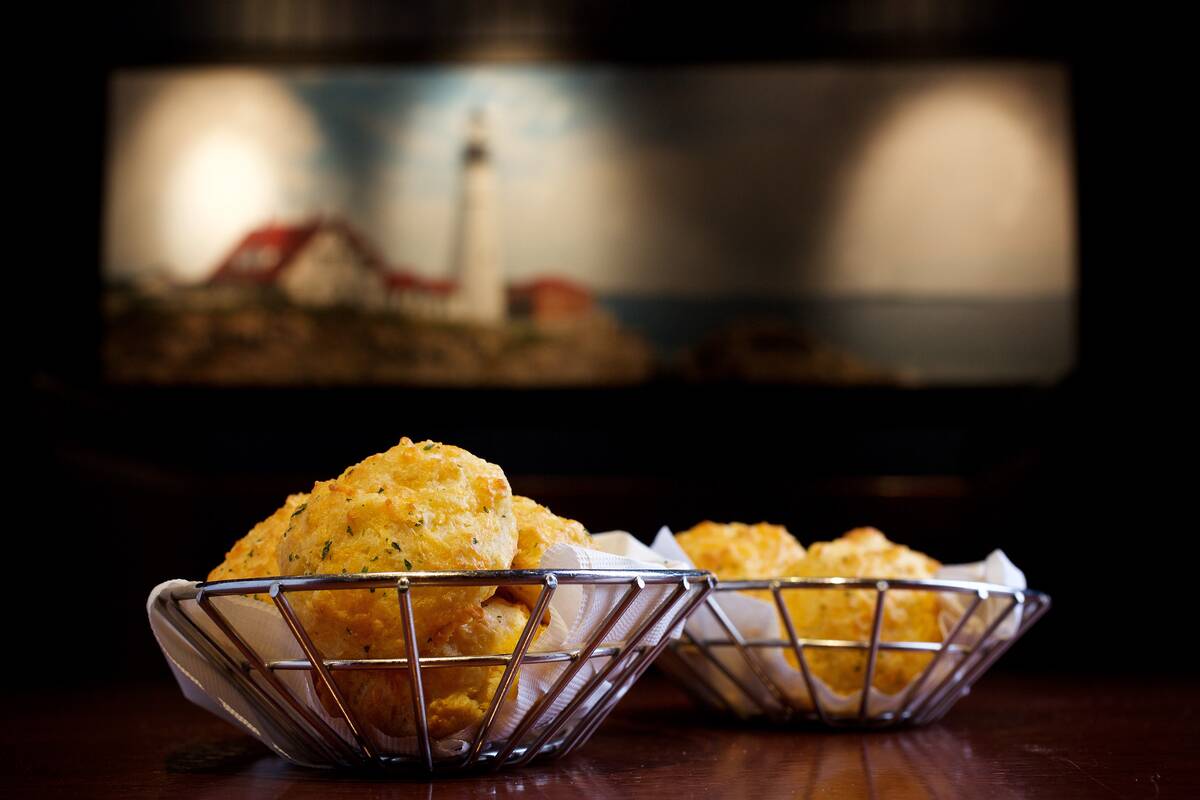
Photo by Deb Lindsey For The Washington Post via Getty Images
Red Lobster's famous Cheddar Bay Biscuits weren’t part of the original menu when the restaurant first opened. They were introduced in 1992 as a complimentary snack for guests waiting for tables, and at first they weren’t even called that. Instead, they were described more plainly as "freshly baked, hot cheese garlic bread."
The recipe is credited to Kurtis Hankins, then head of Red Lobster’s culinary development team, who was trying to replace the chain’s hush puppies, which hadn’t been very popular. Drawing inspiration from Texas toast and French bread, he created a savory biscuit built around garlic and cheese instead of sugar. The result became an instant hit, eventually moving from the waiting area into the dining room. It wasn’t until 1996 that the name “Cheddar Bay Biscuits” was introduced, with “Cheddar Bay” invented to evoke a cozy seaside feel that matched Red Lobster’s nautical theme.
Madonna desperately needed ABBA's permission
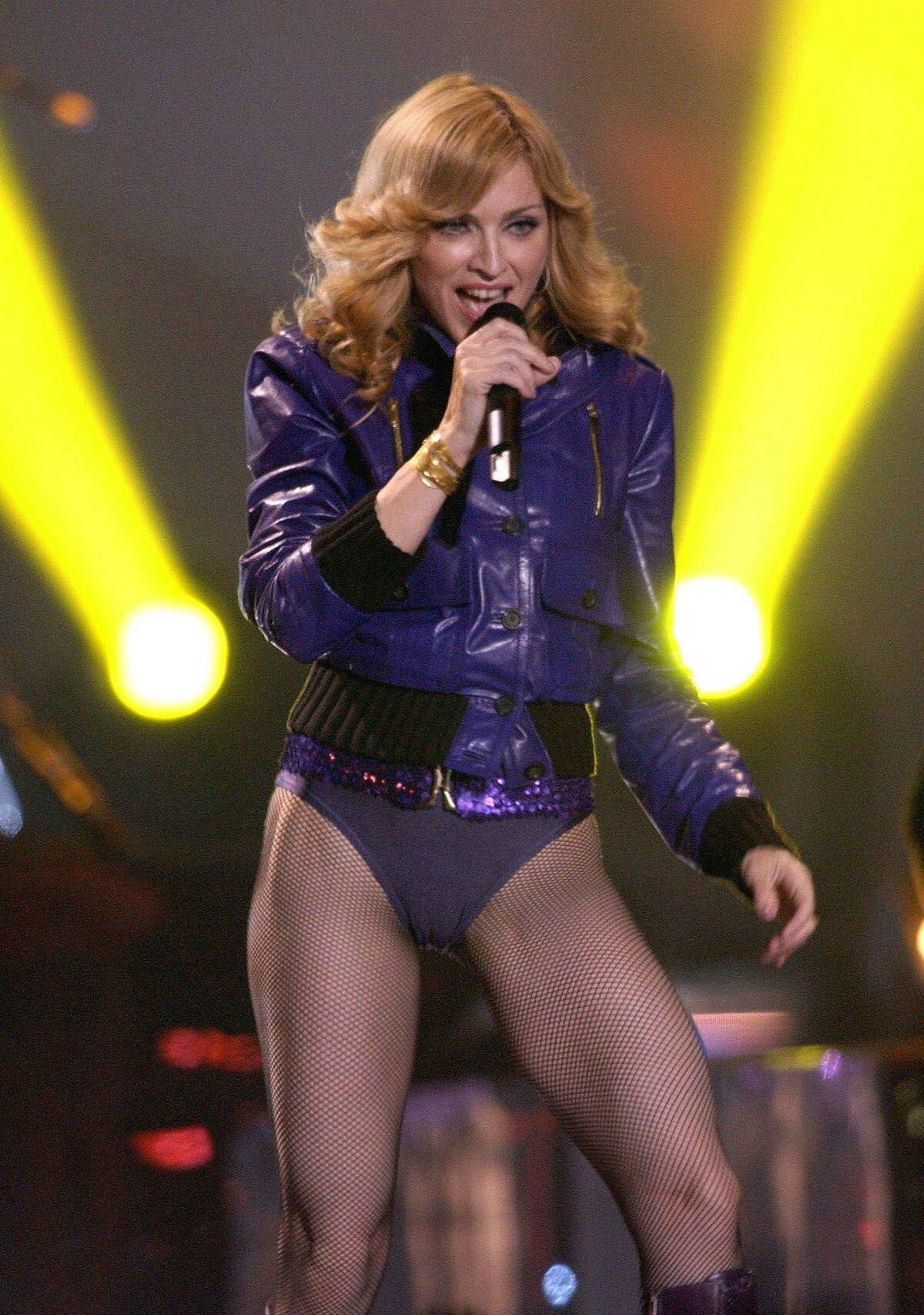
Photo by Anthony Harvey - PA Images/PA Images via Getty Images
Madonna reportedly had to really push to get ABBA on board for "Hung Up." The 2005 track famously samples “Gimme! Gimme! Gimme! (A Man After Midnight),” but ABBA have long been known for being extremely selective about allowing their music to be used, and they almost always turned down sampling requests.
To improve her chances, Madonna wrote a personal handwritten letter to Benny Andersson and Björn Ulvaeus explaining her admiration for their work and framing the song as a tribute. A demo and the letter were reportedly delivered to Stockholm in person. That personal approach helped convince them, and they granted permission—something they had done only rarely—partly because they appreciated how the sample was being used.
Top Gun was a VHS trendsetter
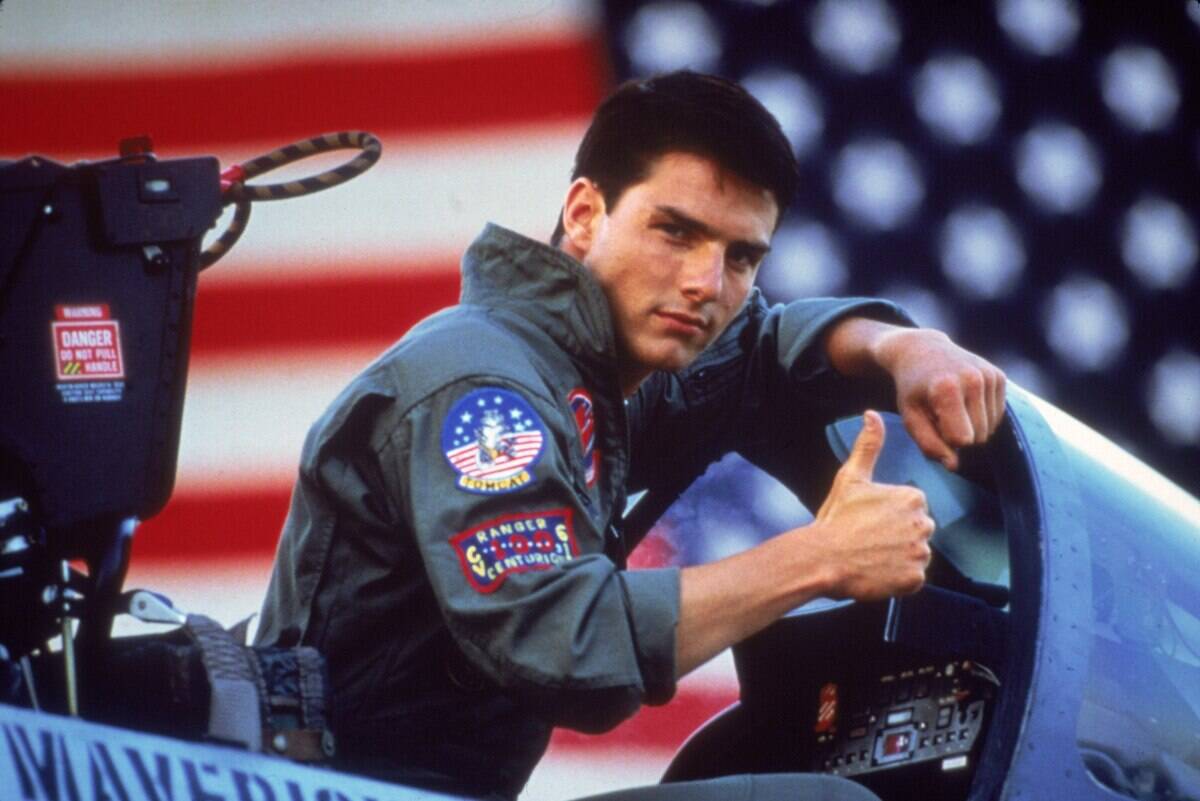
Photo by CBS via Getty Images
The VHS release of Top Gun in 1987 helped mark a major shift in how Hollywood thought about home video. At the time, most VHS tapes were priced very high—often around $100—and were mainly meant for rental stores rather than individual buyers. Top Gun was released on VHS by Paramount at a much lower price point of about $26.95, which was unusual for a new blockbuster. That pricing strategy was supported by a promotional partnership with Pepsi, which helped offset distribution costs, and even included a Diet Pepsi commercial on the tape itself—reportedly a first for a major studio release. The approach worked extremely well, with strong sales making it one of the best-selling VHS releases of the 1980s and helping push Hollywood toward the "sell-through" model that later became standard.
Siri wasn't originally an Apple product
Photo by SEBASTIEN BOZON/AFP via Getty Images
Siri actually started out as a standalone app on Apple's own App Store before it was ever part of the iPhone itself. The startup behind it—also called Siri—had built a voice assistant that could respond to natural language commands, letting users ask questions or complete simple tasks by speaking.
Apple saw the potential pretty quickly and acquired the company in 2010 for around $200 million, aiming to build the technology directly into its ecosystem. When Siri launched as a built-in feature on the iPhone 4S in 2011, it became one of the device’s biggest selling points. It also marked a shift toward making voice interaction a normal part of how people use their phones.
"Good Vibrations" was absurdly expensive
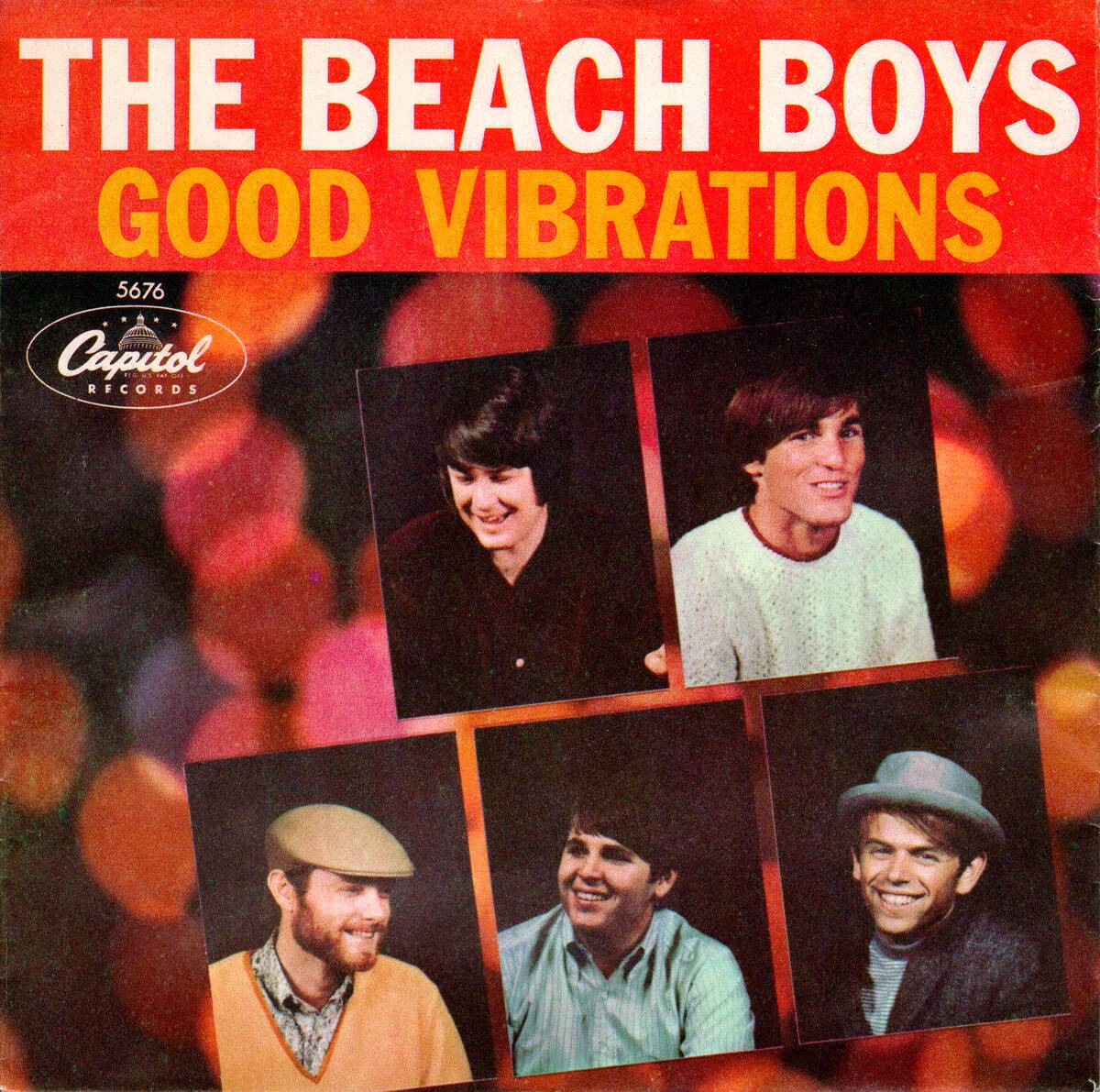
Photo by Michael Ochs Archives/Getty Images
"Good Vibrations" by The Beach Boys is widely considered a classic, but it also ended up being one of the most expensive songs ever recorded. In 1966, Brian Wilson treated the studio like an instrument, building the track in separate sections rather than recording it straight through. The process stretched over months, used multiple studios, involved dozens of musicians, and reportedly generated more than 90 hours of tape. By the end, estimates put the cost between $50,000 and $75,000—roughly $400k to $700k today—an enormous figure for a single pop song at the time. It even cost more than the band's 1966 album Pet Sounds, which was around $70,000 itself. While most singles then were recorded quickly and cheaply, “Good Vibrations” bucked the trend, eventually hitting No. 1 and reshaping expectations for what pop music could sound like.
The Gay Nineties were named in retrospect
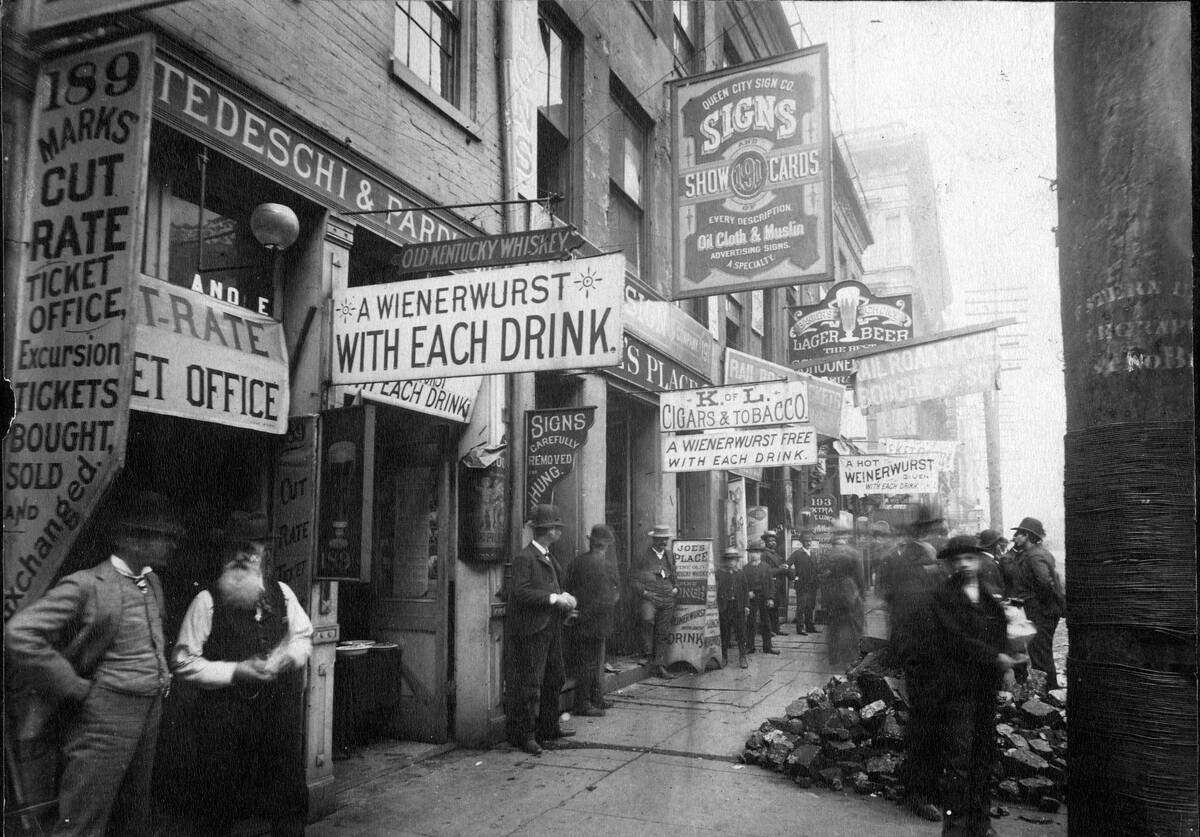
Photo by Cincinnati Museum Center/Getty Images
Feeling nostalgic for a past decade isn't anything new—people have been doing it for a long time, especially during periods of rapid change. While the 1990s often get that treatment today, people in the 1920s were already romanticizing the 1890s as a simpler, more carefree era compared to the fast-moving modern world they were living in. That nostalgia even had a name: "The Gay Nineties," a phrase popularized in the 1920s that helped shape the 1890s into a kind of idealized cultural memory more than a fully accurate historical snapshot. The trend stuck around for decades, showing up in films like Meet Me in St. Louis (1944) and the 1964 musical Hello, Dolly!. Even the restaurant chain TGI Fridays, which launched in 1965, leaned into “Gay Nineties” decor to create a playful, nostalgic vibe.
The Genie had jokes for days
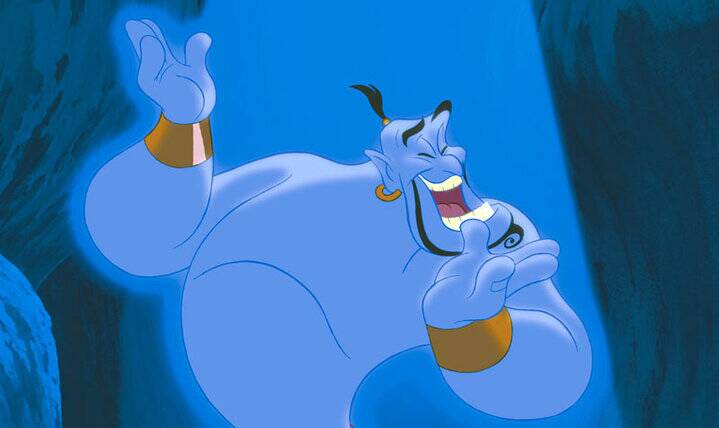
Photo by Walt Disney Pictures via MovieStillsDb
When Disney made Aladdin in 1992, Robin Williams improvised so much as the Genie that the studio reportedly ended up with hours of unused material. Former Disney executives have said he was delivering "30 jokes a minute" during recording sessions, leaving behind a huge archive of alternate takes and ad-libs that never made it into the final film. After Williams' death in 2014, it was revealed that his will included a restriction preventing the use of his name, voice, or taped performances for 25 years after his passing. That means Disney cannot legally use that material for new projects until 2039. The limitation was reportedly intended to protect his family from certain financial and licensing issues tied to posthumous use, leaving much of the unused Genie footage stored away and off-limits for now.
Here's why the Stones sued the Verve
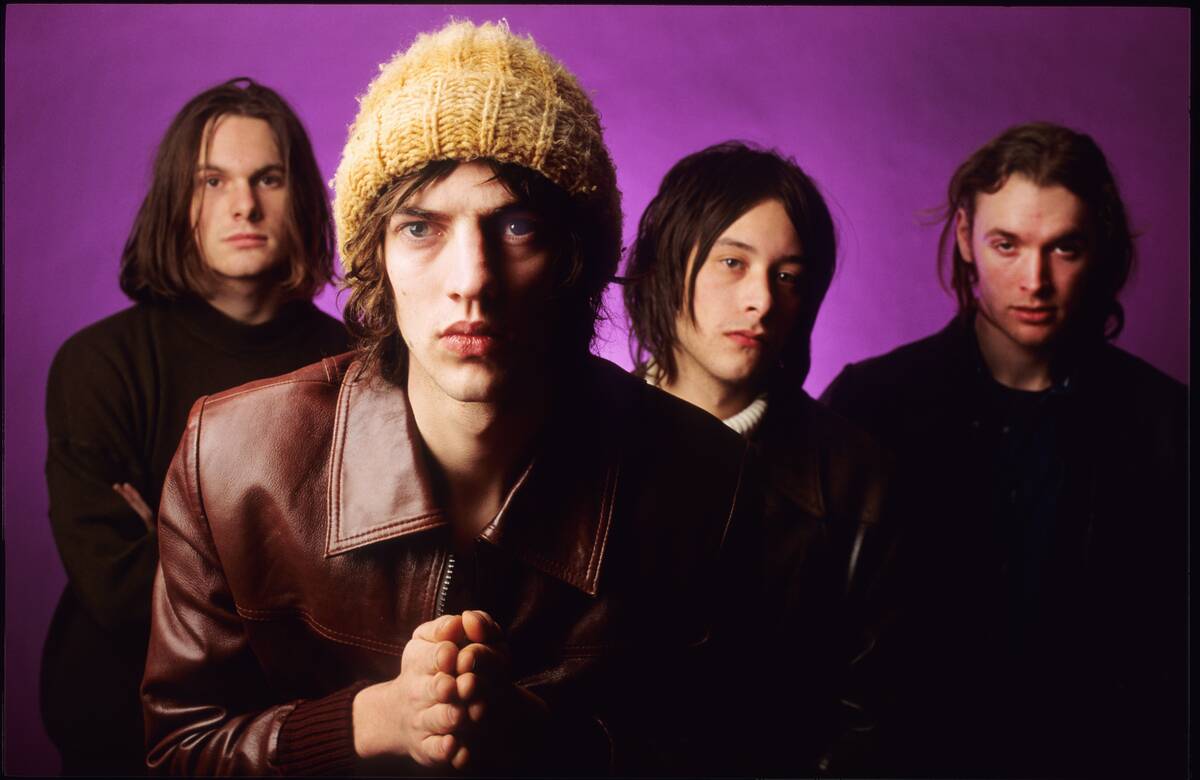
Photo by Gie Knaeps/Getty Images
There's a long-running misconception that The Verve illegally sampled The Rolling Stones on "Bitter Sweet Symphony," but the reality is a bit more complicated. Before releasing the song in 1997, the band actually cleared the rights to sample an orchestral version of “The Last Time,” which had been recorded by Andrew Loog Oldham, the Stones’ former producer and manager, for an orchestral reinterpretation album—not the original 1965 recording.
The controversy came after the song became a global hit, when it was argued that The Verve used more of that orchestral recording than their agreement allowed. That led to legal action from Allen Klein, who controlled much of the Stones’ catalog rights at the time. The dispute ended in a settlement that gave songwriting credits and royalties for “Bitter Sweet Symphony” to Mick Jagger and Keith Richards, despite Richard Ashcroft writing the lyrics and much of the composition. In 2019, Jagger and Richards eventually returned the credits to Ashcroft, closing out a long-running music industry saga.
Barbie's inspiration was provocative
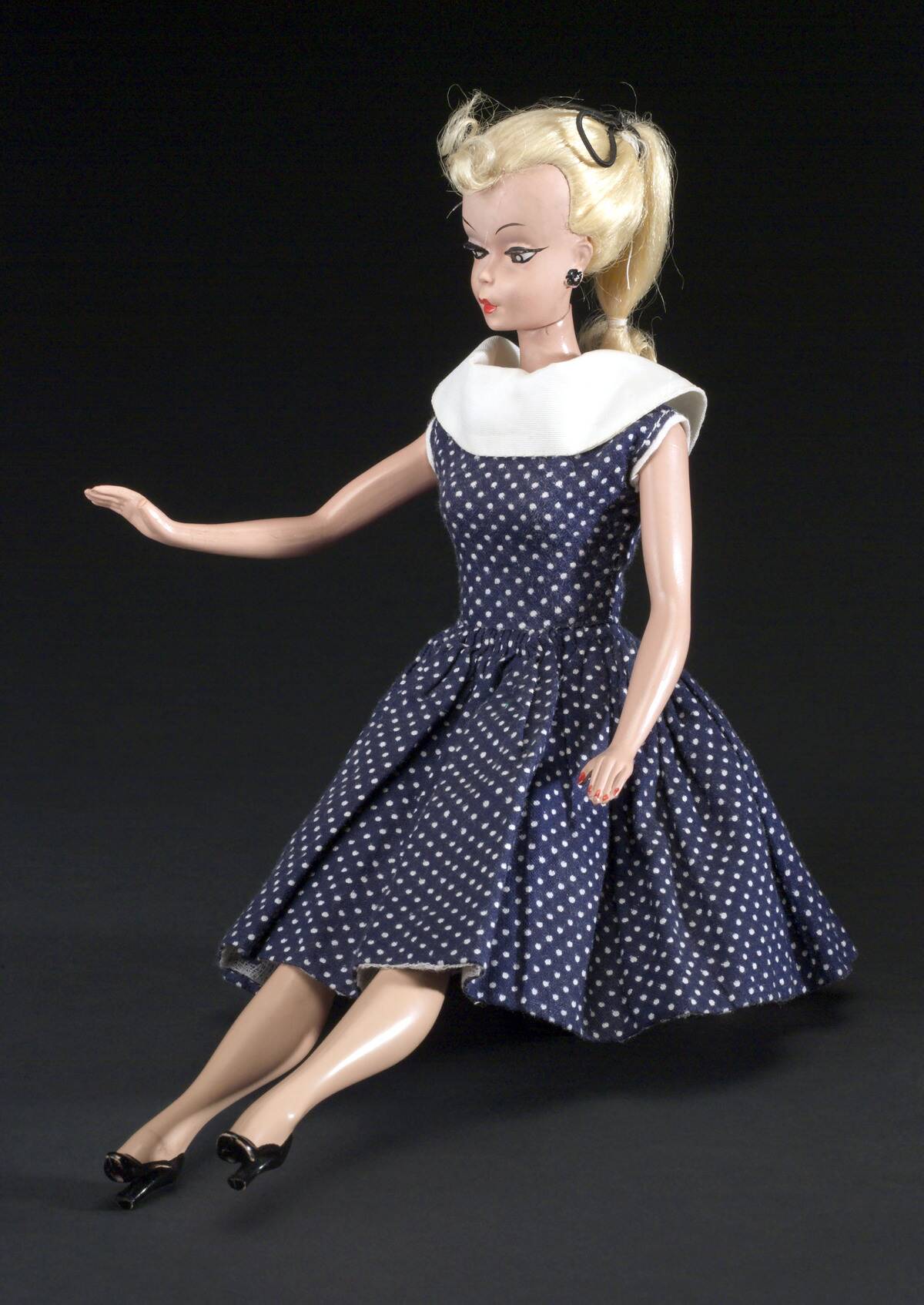
Photo by SSPL/Getty Images
Barbie's early design was inspired by a German adult novelty doll called Bild Lilli, which was often sold in cigarette shops and given as a gag gift at bachelor parties. Unlike the typical baby dolls of the time, Lilli had adult-like features and a fashionable wardrobe. Ruth Handler saw the idea as something that could appeal to young girls who wanted to imagine grown-up roles through play.
She brought the concept back to the United States and reworked it into something more child-friendly. That meant softening the doll’s appearance and expanding the range of outfits and accessories. Mattel later acquired the rights to the Bild Lilli doll in 1964 and ended its production, solidifying Barbie as the company’s main fashion doll going forward.
Maybelline was made for Hollywood
Photo by Jakub Porzycki/NurPhoto via Getty Images
The story of Maybelline starts with a surprisingly homemade beauty hack from the early 1910s. Founder Thomas Lyle Williams, a pharmacist, reportedly got the idea for mascara after watching his sister Mabel darken her eyelashes using a mix of Vaseline and coal dust or ash. She was trying to make her eyes stand out while impressing a boy she liked.
At the time, eye makeup as we know it barely existed, so women often improvised looks inspired by silent film stars and early Hollywood glamour. Williams saw a potential market and began developing a safer, more practical version in Chicago. In 1915, he launched one of the first mass-market mascaras and named the brand "Maybelline," combining “Mabel” and “Vaseline.” The product gained real traction in 1917 with cake mascara, which soon became popular with Hollywood actresses both on and off screen.
Palm trees aren't native to L.A.
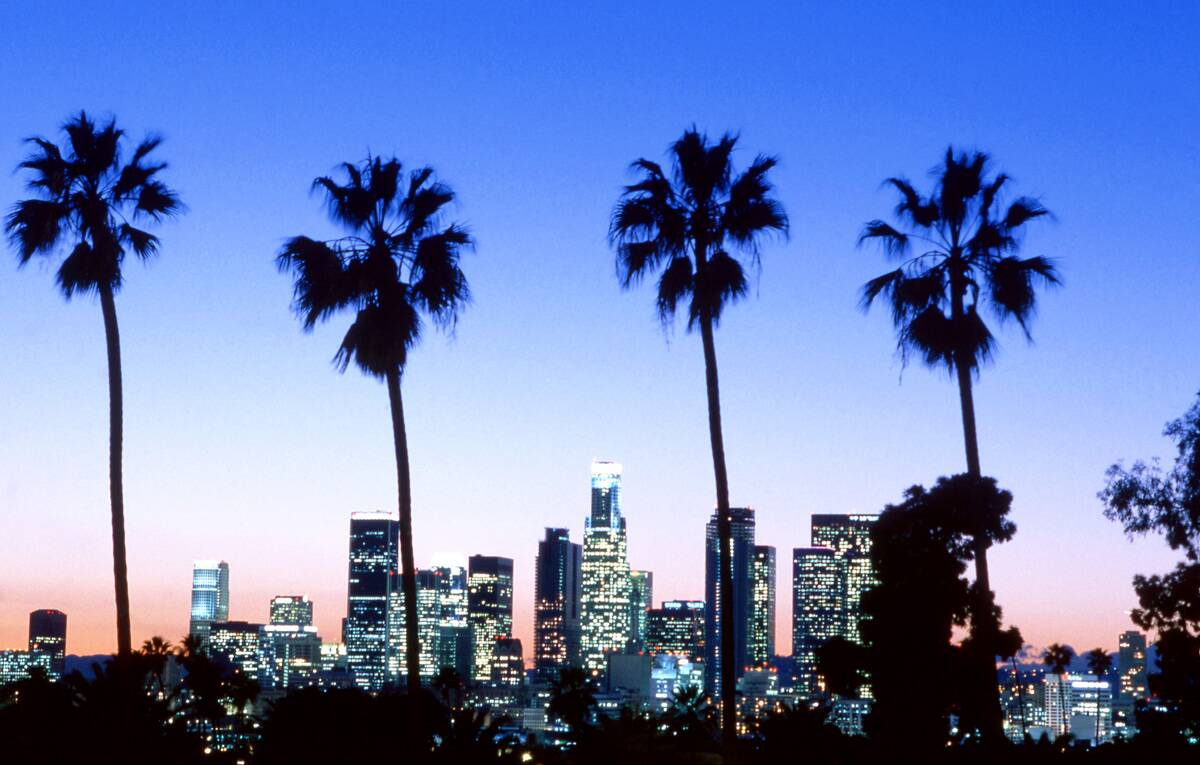
Photo by Bill Nation/Sygma via Getty Images
Even though palm trees are basically an LA postcard image, most of them actually aren't native to Southern California. A lot were brought in from places like Mexico, the Canary Islands, and the Middle East in the late 1800s and early 1900s, when the city was actively selling itself as a kind of glamorous, tropical paradise. Later on, tens of thousands more were planted ahead of the 1932 Summer Olympics to give Los Angeles that big, cinematic look that stuck with old Hollywood imagery.
The catch is that most of these palms only live about 75–100 years, and many are now reaching the end of that lifespan. On top of that, they’re being hit by drought, climate stress, and fungi. Since they don’t offer much shade and can be expensive to maintain while also posing fire risks, many aren’t expected to be replaced. As a result, some of LA’s iconic palm-lined streets are slowly set to disappear over time.
We almost had a JFK Jr./Princess Diana crossover
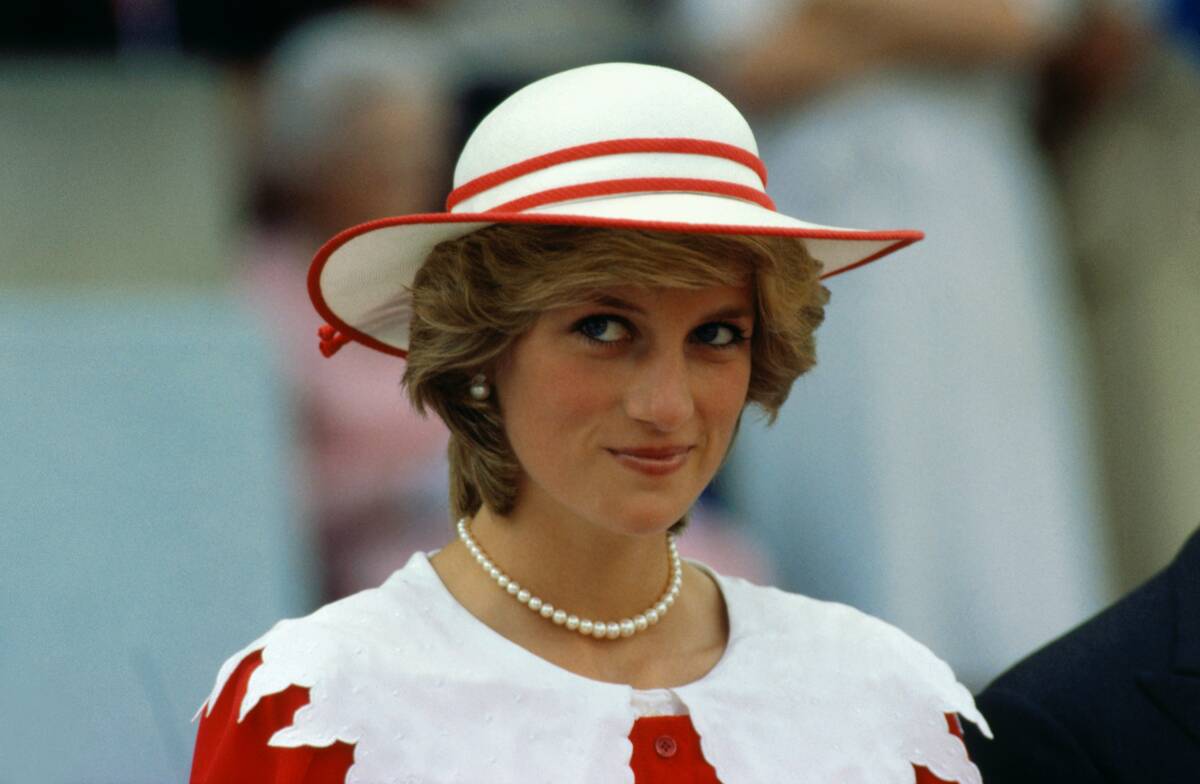
Photo by Bettmann/Getty Images
In the mid-1990s, John F. Kennedy Jr. and Princess Diana were among the most photographed people in the world—he was often described as American royalty, while she was literal royalty. Around that time, Kennedy had launched George, a magazine mixing politics, celebrity, and pop culture in a style that felt new for its era. Kennedy reportedly arranged a private meeting with Diana at New York's Carlyle Hotel in 1995 to ask her to appear on the magazine’s cover. He even pitched the idea of her posing as an iconic American historical figure, in line with George’s stylized cover concepts. The meeting was kept extremely discreet due to intense paparazzi attention. Diana ultimately declined, saying the magazine was still too new, but left the door open for a future milestone issue. The two stayed in contact, and in 1997 Diana reportedly wrote Kennedy a note wishing that the press would leave him and his wife Carolyn alone, adding that the worst paparazzi, in her experience, were in Europe.
Survivor was a surprise success
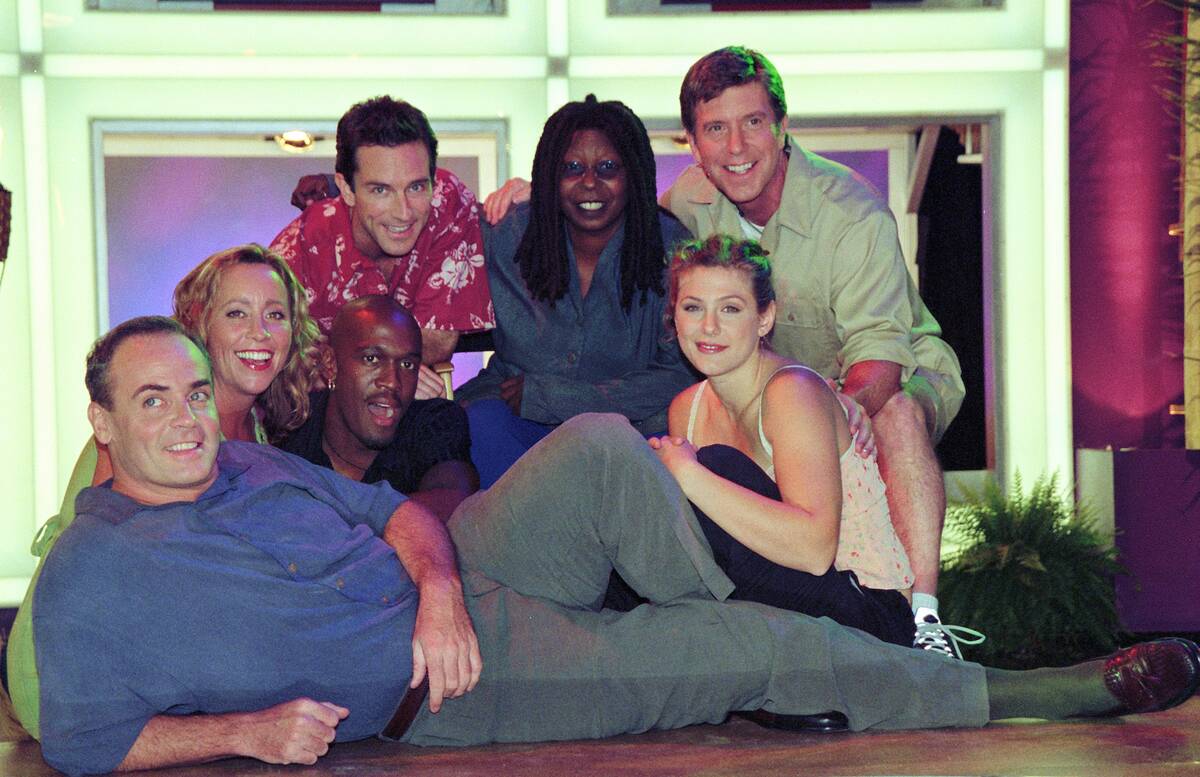
Photo by Bob Riha, Jr./Getty Images
When Survivor first got picked up by CBS in 2000, the network wasn't exactly confident it would work. Reality TV in the U.S. was still pretty limited outside of shows like The Real World and Road Rules, and executives weren’t sure audiences would care about strangers stranded on an island competing for money. So CBS treated it as a summer experiment and only ordered 13 episodes.
Producer Mark Burnett had reportedly spent about a year pitching the concept, which was based on the Swedish series Expedition Robinson. When it finally premiered in the summer of 2000, it became an instant hit, built around alliances, betrayals, and tribal council eliminations. The finale drew more than 50 million viewers, and the show quickly helped kick off the modern reality TV boom that’s still going today.
Whoopi Goldberg had a very unusual audition
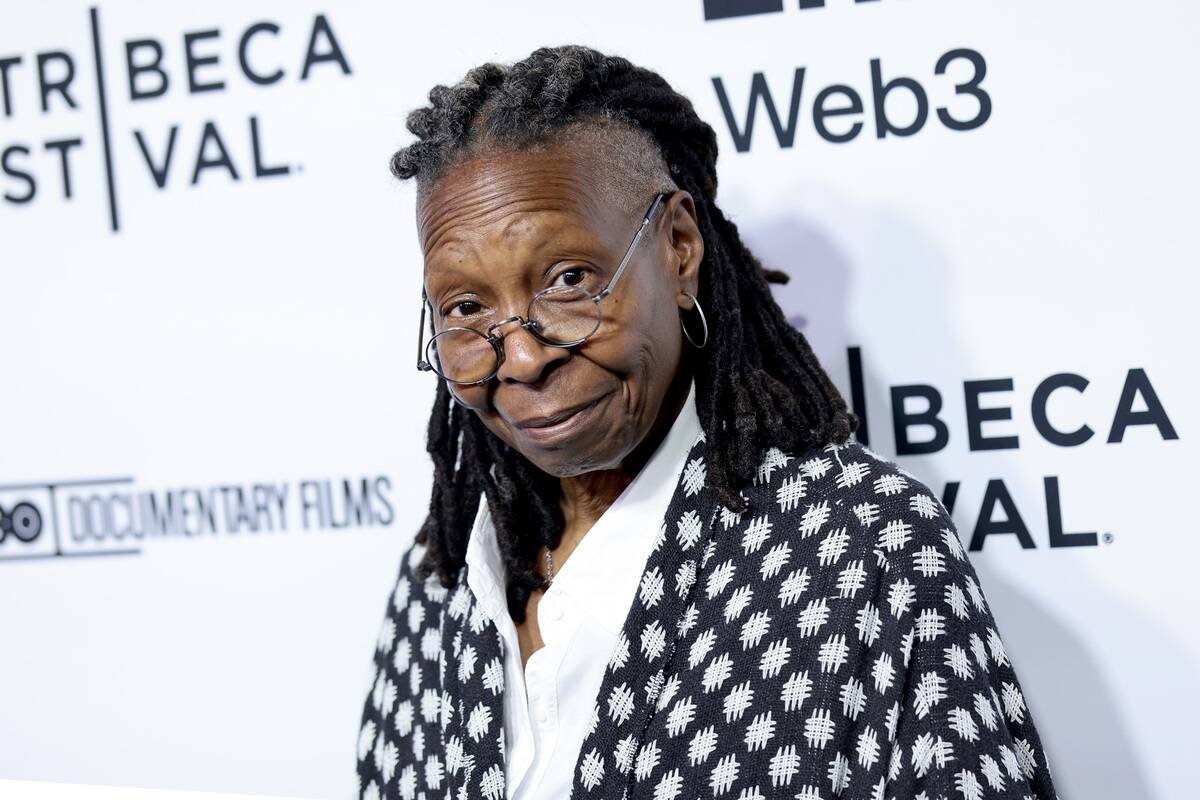
Photo by Dimitrios Kambouris/Getty Images for Tribeca Festival
Whoopi Goldberg's audition for The Color Purple came together in a pretty unusual way. After reading the novel, she became determined to be part of the film and even wrote a letter to author Alice Walker, saying she would "play dirt on the floor" just for a chance to be involved. Walker actually recognized her from her one-woman show and recommended her to director Steven Spielberg. Goldberg was invited to audition by performing parts of her stage act. She was warned not to include her BL.E.T. (jokes about a black E.T. who's landed in Oakland) routine, but once she arrived, she ended up performing in front of Spielberg, Quincy Jones, Michael Jackson, and Ashford & Simpson. She had them all laughing, including during the BL.E.T. material, and was ultimately offered the role of Celie. Though hesitant at first, she accepted—and later earned an Academy Award nomination for Best Actress.
He-Man was all about the merchandising
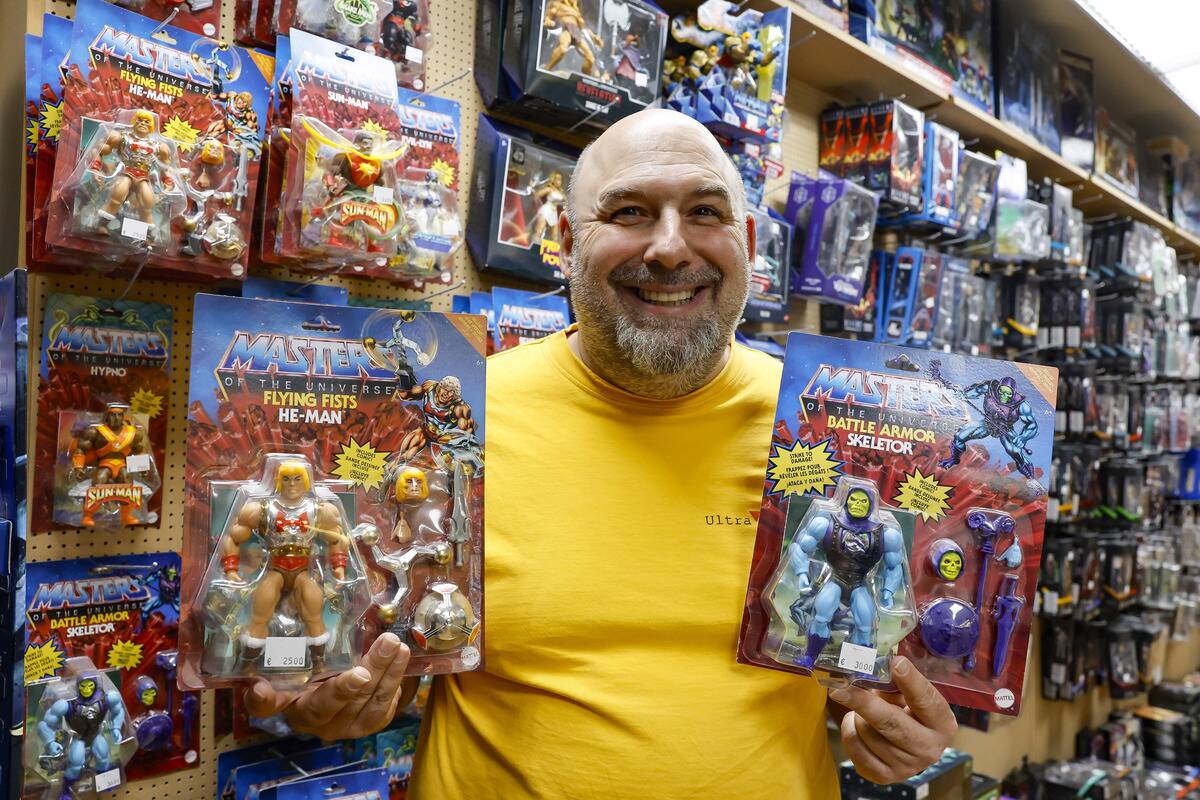
Photo by Daniel Löb/picture alliance via Getty Images
He-Man and the Masters of the Universe was partly created after Mattel missed out on the Star Wars action figure deal—one of the most infamous "what ifs" in toy history. In the late 1970s, Mattel reportedly passed on the license because executives weren't sure the movie would succeed and didn’t think sci-fi figures would catch on. Kenner ended up getting the rights, and once Star Wars became a global hit, its toy line completely reshaped the market. Looking to create its own major boys’ franchise, Mattel developed a fantasy-based line of muscular heroes that became He-Man and the Masters of the Universe in 1982. The line blended barbarian fantasy, superheroes, and sci-fi elements, and expanded through mini-comics and heavy merchandising. It really took off after being turned into an animated series—one of the first toy lines to get that treatment—cementing it as a defining franchise of the 1980s.
Josephine Baker was a prolific spy
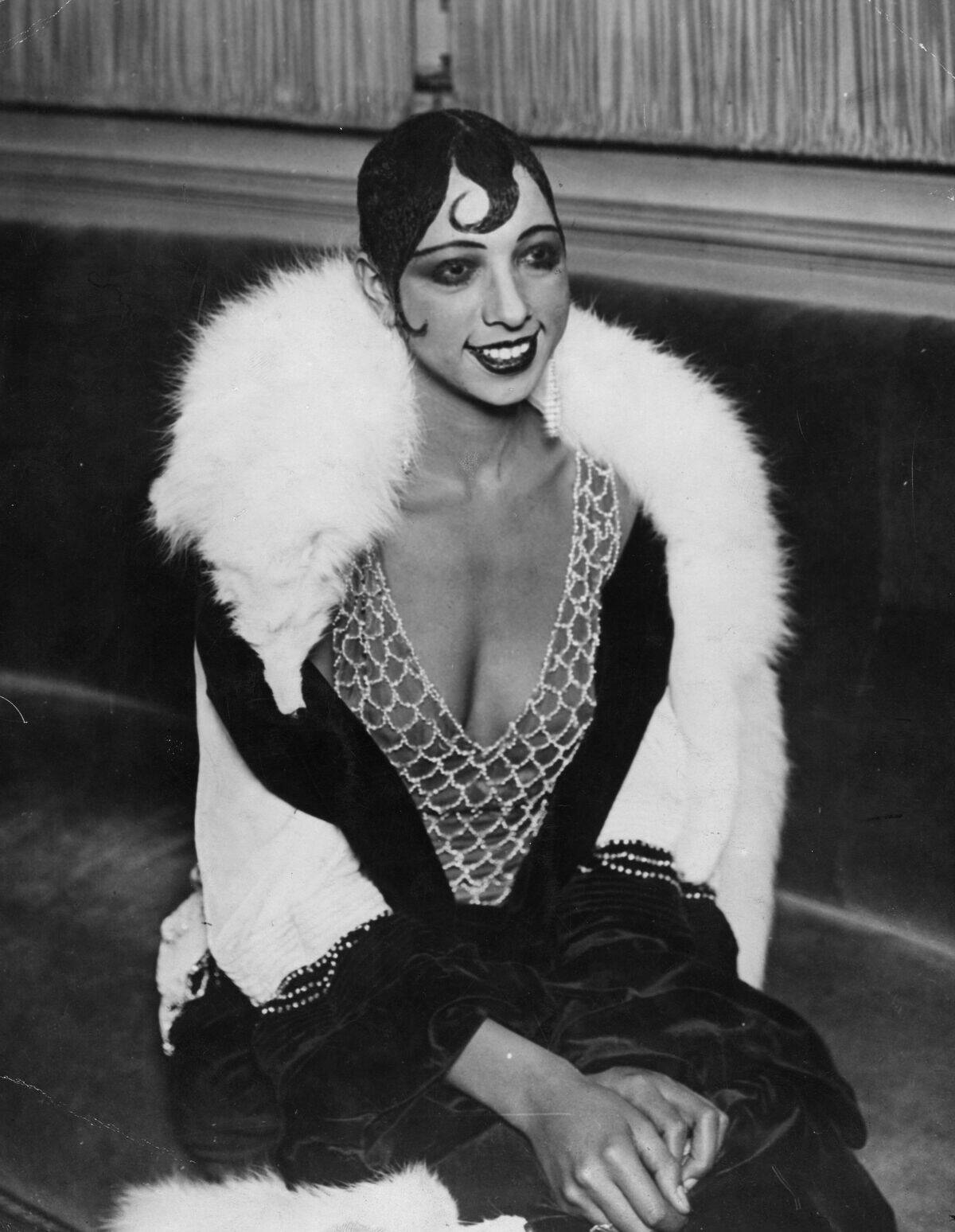
Photo by General Photographic Agency/Getty Images
Before she became widely known for her civil rights activism, Josephine Baker was already a massive international star, especially in France during the 1920s and 1930s. When World War II began and Nazi Germany occupied France, she secretly used her fame to assist the French Resistance.
Because she was a celebrated performer who traveled frequently, Nazi officials often treated her as harmless entertainment and didn't suspect her activities. She reportedly carried hidden intelligence, including messages written in invisible ink on sheet music and information concealed in her luggage and clothing. Baker also attended high-profile social events where she could overhear conversations from officials and pass along what she learned, while additionally helping shelter refugees and support the Free French forces. After the war, France recognized her contributions with major honors, including the Croix de Guerre.
Mean Girls was almost R-rated
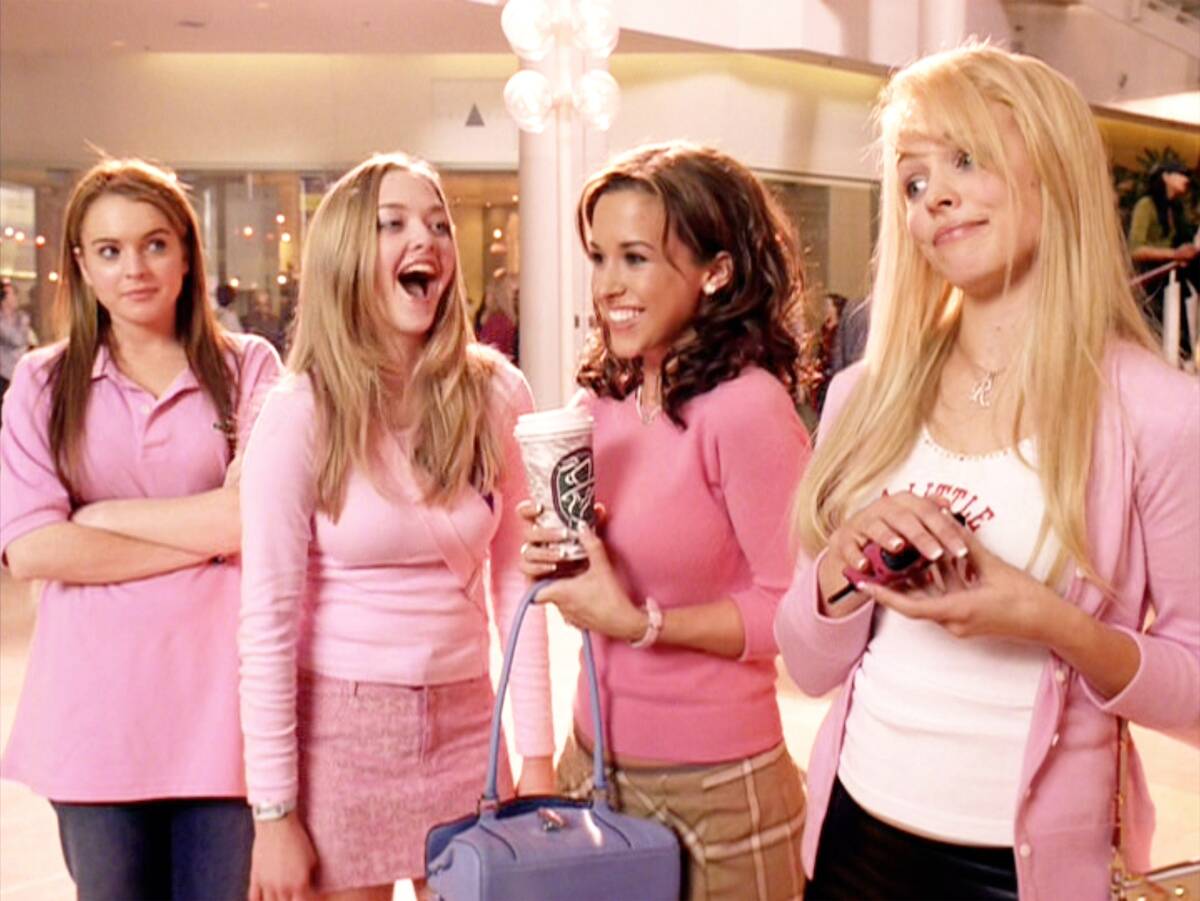
Photo by CBS via Getty Images
Mean Girls is often seen as the defining teen comedy of the 2000s, but it didn't always look like the PG-13 version audiences know today. Early cuts of the film reportedly leaned closer to an R rating, with more explicit language and edgier, adult-style humor. Tina Fey and director Mark Waters have both noted that the original tone reflected the sharper comedic style Fey was known for from her SNL work. As the film moved through production, the studio pushed for a wider teen audience, which meant aiming for PG-13 instead of R. That led to several jokes and lines being rewritten or removed, especially ones considered too explicit. One example often cited is a line that originally referenced "Amber D’Alessio gave a BJ to a hot dog," which was changed to “made out with a hot dog.” Some scenes were also softened overall, but the final version still kept enough bite to balance edgy humor with mainstream teen appeal.
Nirvana's biggest hit was based on a misunderstanding
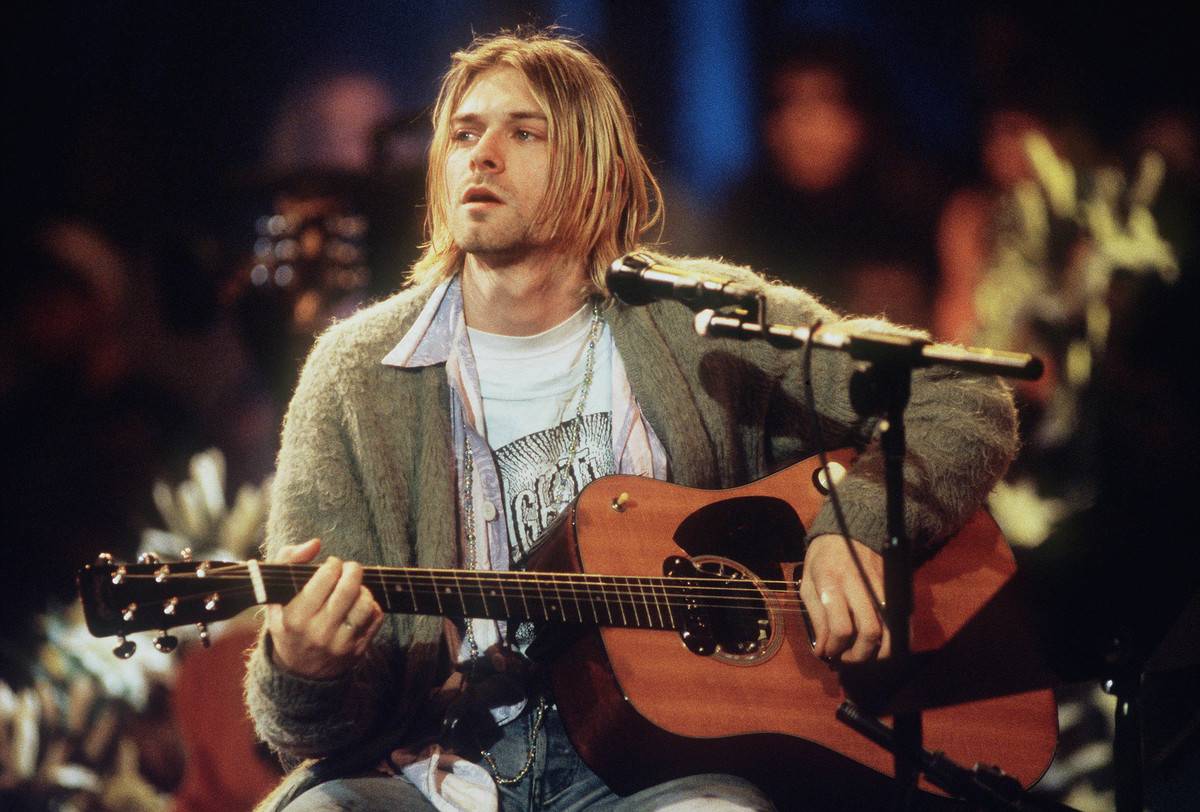
Photo by Bettmann/Getty Images
"Smells Like Teen Spirit" didn't just help define the sound of the 1990s—it also pushed grunge into the mainstream and became one of the most influential rock songs ever. But the title itself actually started as a misunderstanding. Before the song was written, Kathleen Hanna of Bikini Kill wrote “Kurt smells like Teen Spirit” on a wall after spending time with Kurt Cobain and his girlfriend, Tobi Vail. She was referencing Teen Spirit, a popular deodorant for teenage girls, in a joking way. Cobain, who didn’t know it was a brand at the time, took the phrase to mean something more symbolic and rebellious, and later used it as the song’s title. According to The Guardian, he was reportedly upset—and possibly even embarrassed—when he later learned what Teen Spirit actually was.
The iPod borrowed its innovation
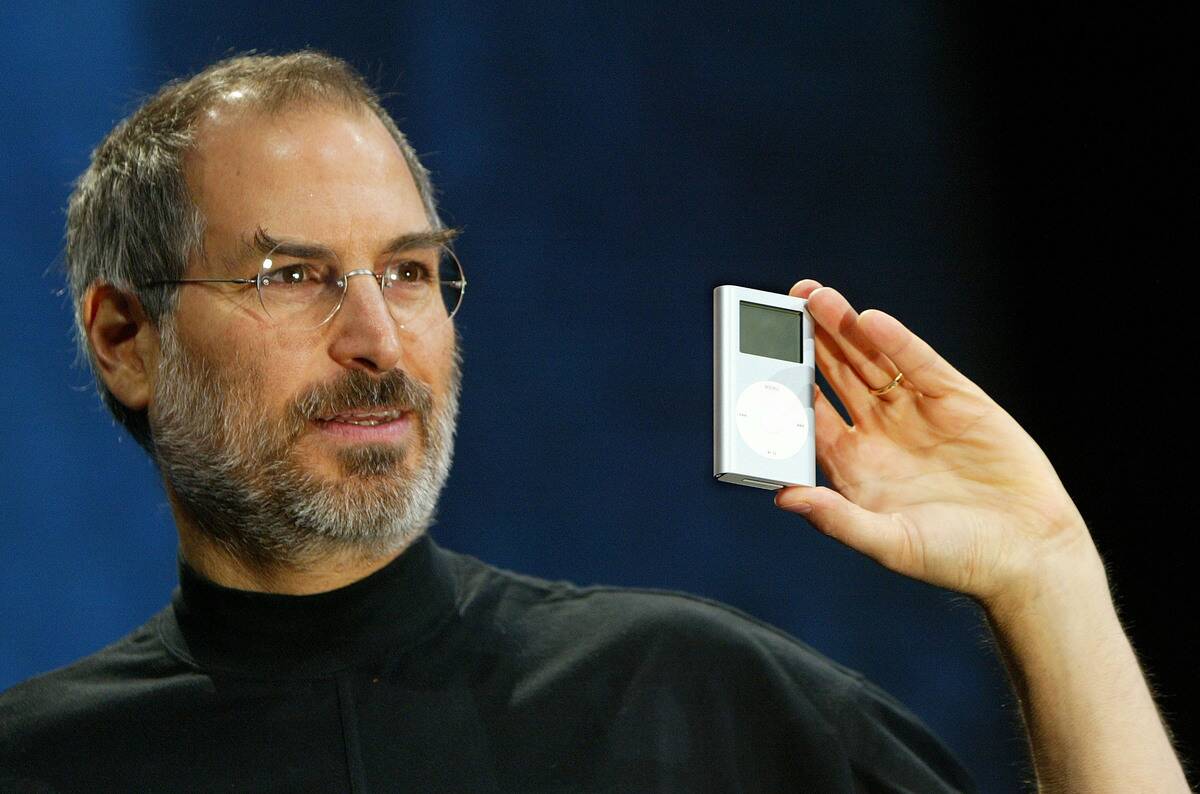
Photo by Justin Sullivan/Getty Images
When Apple was building the iPod in the early 2000s, engineer Tony Fadell pushed the project forward at a fast clip even though Steve Jobs never gave him an official deadline. To keep things moving, Fadell set his own aggressive internal target of about nine months, figuring the team needed real pressure to compete in the growing digital music space. At the time, most MP3 players were bulky and frustrating to use, and Apple was aiming for something far more simple and intuitive.
One key influence on the iPod's design was the Bang & Olufsen BeoCom 6000 cordless phone, which used a smooth circular scrolling control that Fadell admired. That idea helped inspire the now-famous click wheel, making it easy to scroll through thousands of songs with a thumb. When the iPod launched in 2001, its clean design and navigation made it stand out immediately, helping Apple expand beyond just computers and laying the groundwork for future products like the iPhone while reshaping how people listened to music.
The London Bridge is actually in Arizona

Photo by Brian van der Brug / Los Angeles Times via Getty Images
The phrase "London Bridge is falling down" turned out to be a little more literal than most people realize. The original 19th-century London Bridge was gradually sinking by the 1960s due to age and increasing traffic, so city officials decided it needed to be replaced. Rather than tear it down, they put the historic structure up for sale.
In 1968, American businessman Robert P. McCulloch purchased the bridge for about $2.5 million. The granite structure was carefully taken apart, with each stone numbered before being shipped through the Panama Canal and eventually transported to Arizona. It was then reconstructed in Lake Havasu City over a modern concrete framework, with the original stones forming the exterior. Today, it remains one of Arizona's best-known attractions—and many visitors are still surprised to learn it once stood in London.
The final episode of Dinosaurs was incredibly dark
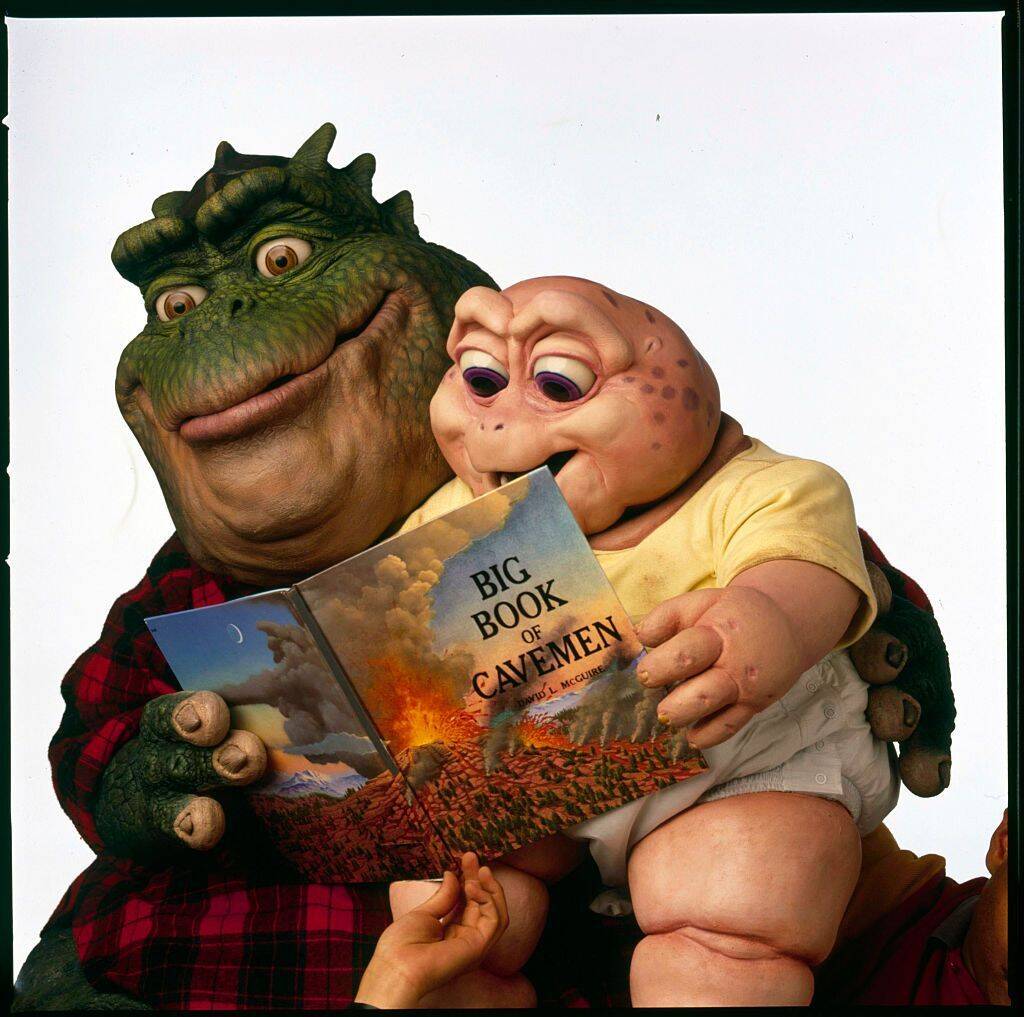
Photo by ABC via MovieStillsDb
If you remember Dinosaurs as a lighthearted sitcom about a family of talking dinosaurs, you're not alone. The ABC series mixed comedy with family-friendly antics, but it also regularly tackled surprisingly serious topics, including consumerism, sexism, and environmental issues. That willingness to go dark reached its peak in the final episode, "Changing Nature." In the story, attempts to manipulate nature for corporate profit trigger an environmental disaster that spirals out of control. The resulting chain reaction blocks out the sun and plunges the world into an ice age. The series ends with the Sinclair family gathered at home as snow falls outside, listening to a report explaining that temperatures will keep dropping and that there may be no solution. The show's final message strongly implies that the entire cast is facing extinction.
Steven Spielberg stumbled into Jurassic Park
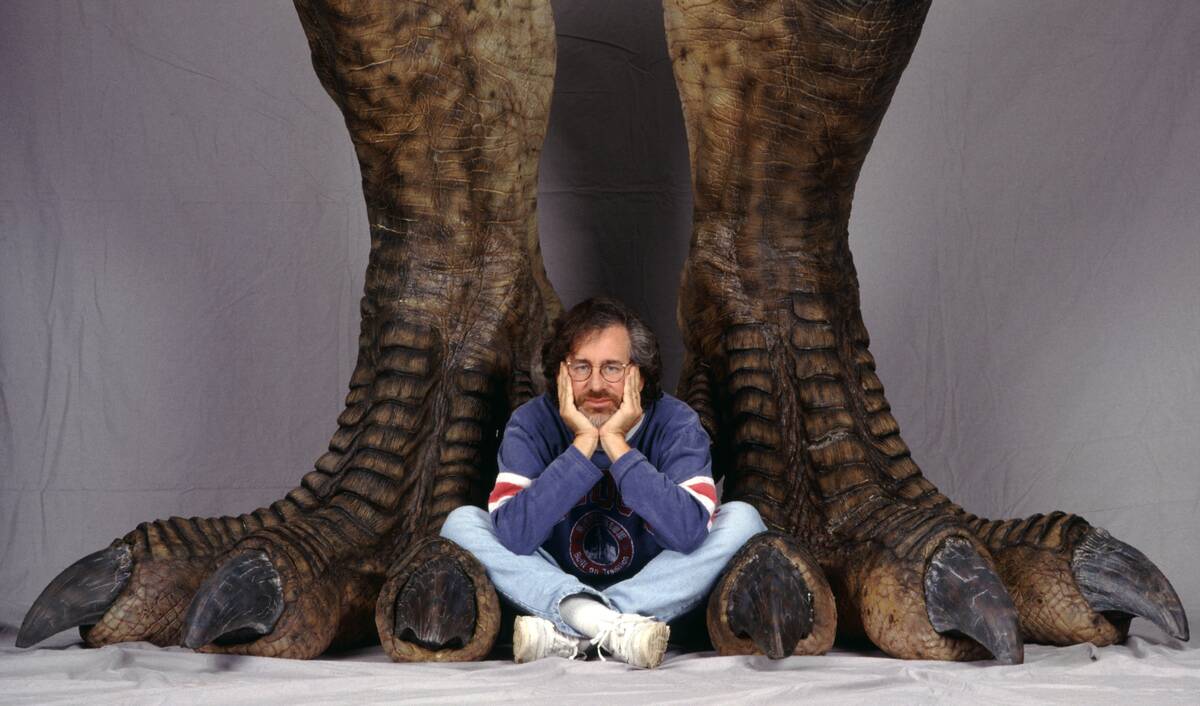
Photo by Murray Close/Getty Images
Steven Spielberg's connection to Jurassic Park began almost by accident. He was meeting with author Michael Crichton, a longtime friend, to discuss a medical-drama script Crichton had written that would eventually evolve into the TV series E.R.. Before they got into that project, though, Crichton mentioned the idea for his next novel: a story about dinosaurs brought back to life through DNA. The concept immediately grabbed Spielberg's attention. Instead of discussing the script they had planned to talk about, the two spent the next several hours focused almost entirely on the dinosaur story. Spielberg was so enthusiastic about the idea that he had Universal acquire the film rights as soon as they became available in May 1990—roughly six months before Jurassic Park was even published.
Here's why I Love Lucy still looks so crisp
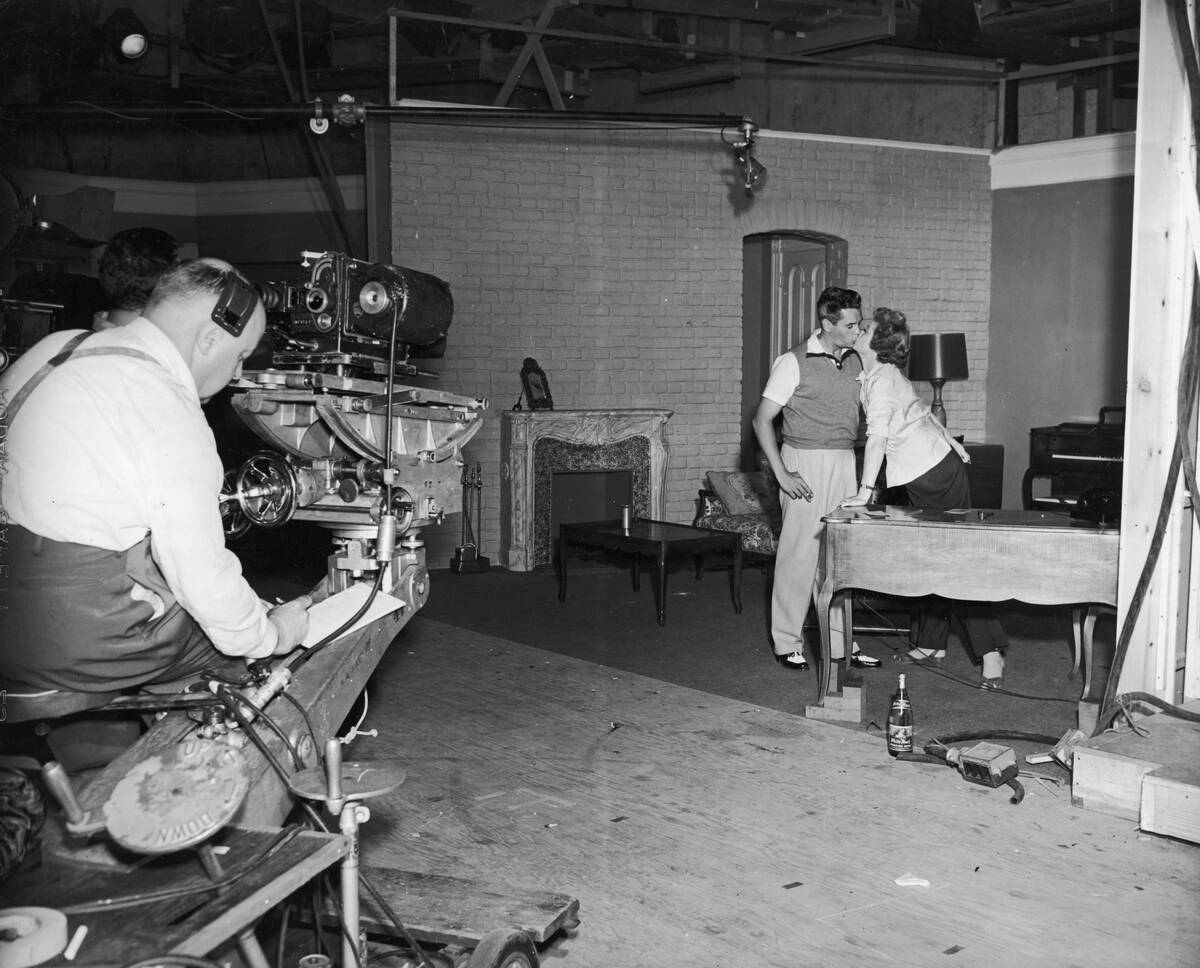
Photo by Paramount Pictures/Getty Images
One reason I Love Lucy still looks so good today comes down to a decision Lucille Ball and Desi Arnaz made behind the scenes. In the early 1950s, most television shows were produced in New York and preserved using kinescope recordings, which involved filming a television screen. Those recordings often looked blurry and lost quality over time. Ball and Arnaz wanted to keep production in Los Angeles, so they struck an unusual deal. They accepted pay cuts in exchange for owning the show's rights and filming it on high-quality 35mm film, the same format commonly used for movies. The result was a much sharper and more durable recording than most TV programs of the era. That choice not only helped I Love Lucy survive in excellent condition, but also made reruns and syndication possible and helped push the television industry toward using 35mm film as a standard.
The Manhattan Project was extra-extra-extra secret
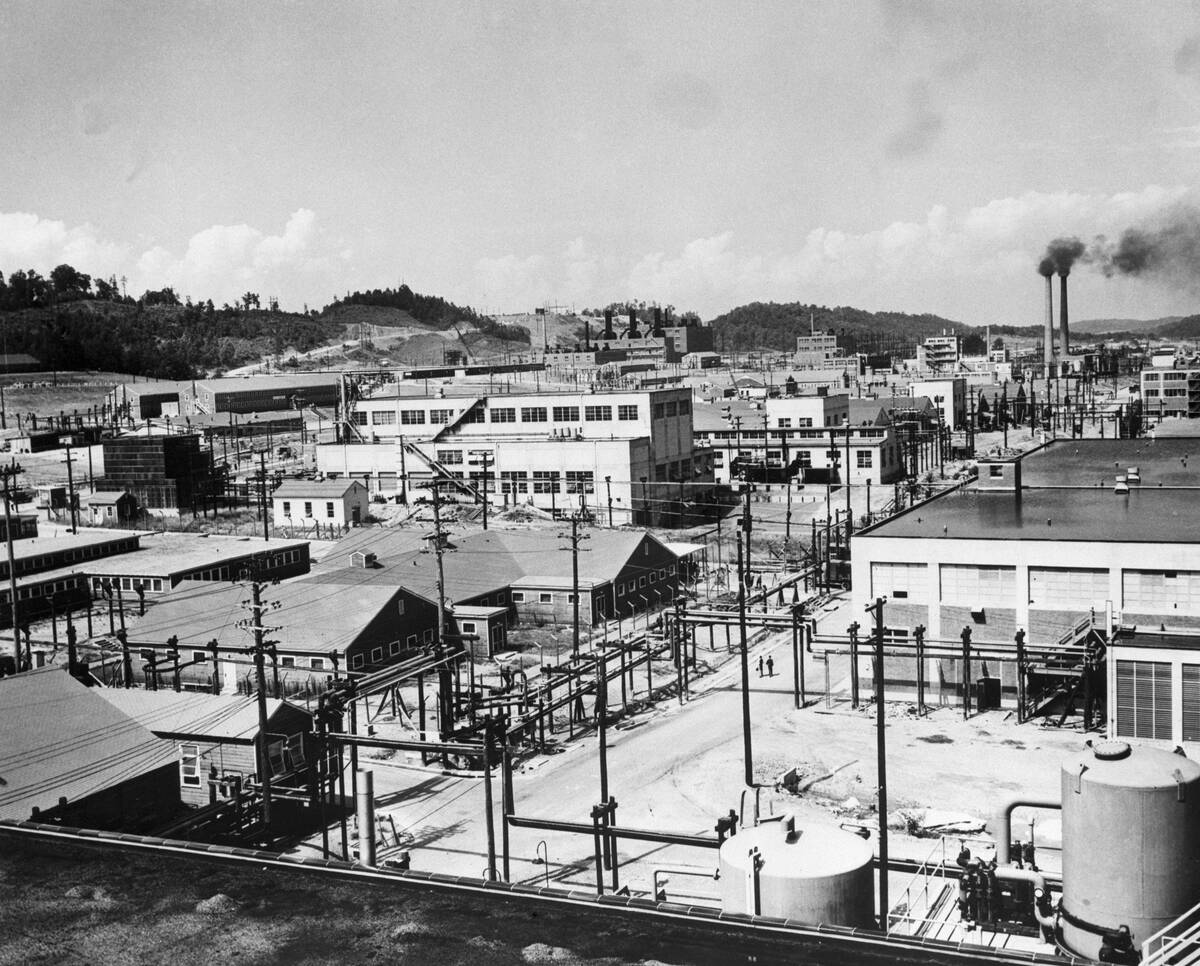
Photo by Getty Images
The Manhattan Project was so tightly guarded during World War II that even Vice President Harry S. Truman didn't know it existed. Because officials feared Nazi Germany might learn about the program or develop an atomic weapon first, information was shared only with people who absolutely needed to know. As a result, Truman remained unaware of the project while serving under President Franklin D. Roosevelt.
Everything changed when Roosevelt died unexpectedly in April 1945 and Truman became president. He was soon briefed on the existence of a weapon capable of destroying an entire city. In a strange twist, the Soviet Union already knew about the project through spies working inside it, including physicist Klaus Fuchs. That intelligence helped the Soviets accelerate their own nuclear weapons program, helping spark the arms race that became a defining feature of the Cold War.
Which film has the most remakes?
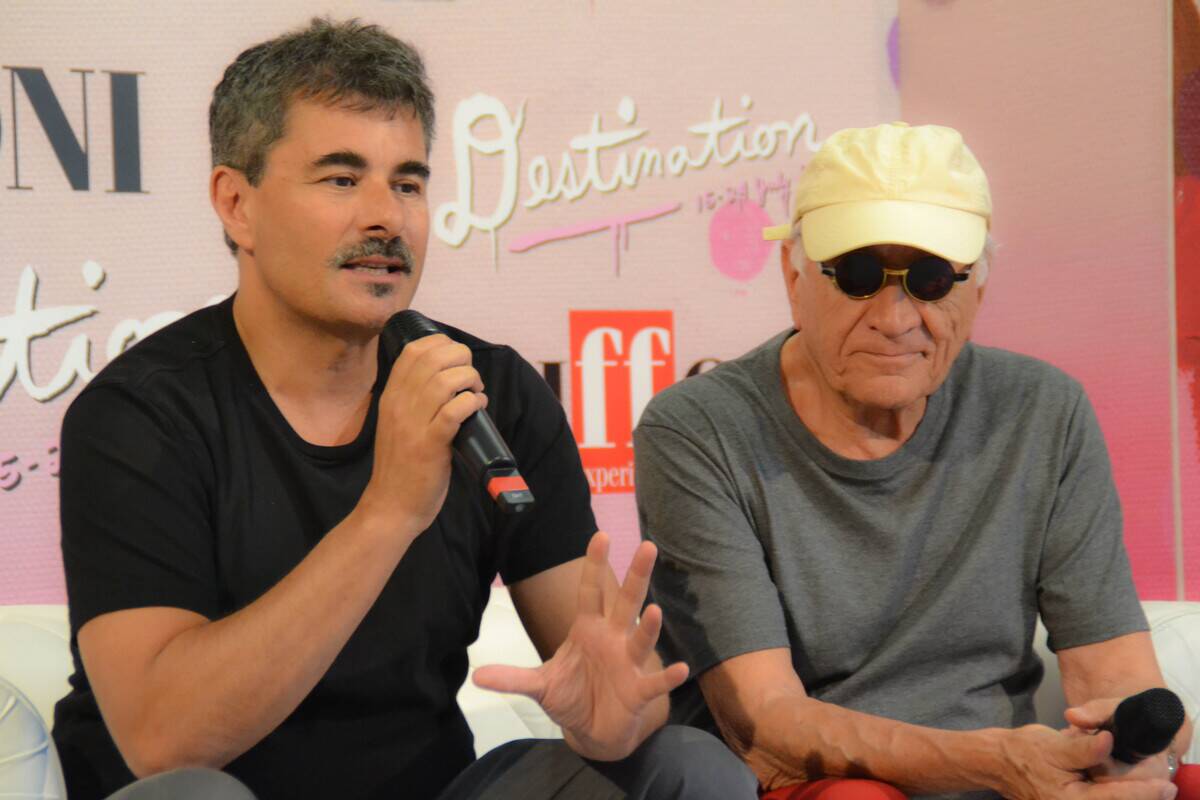
Photo by Maria Consiglia Izzo/Pacific Press/LightRocket via Getty Images
An Italian film released just a decade ago holds a surprisingly unusual record. According to Guinness World Records, Perfect Strangers (Perfetti sconosciuti) has been remade 24 times, making it the most-remade movie in history. That's especially impressive considering how recently the original was released. The story follows a group of friends at a dinner party who agree to place their phones on the table and reveal every call, text, and notification they receive throughout the evening. Because the premise is so simple and universal, it has been successfully adapted in countries ranging from Spain and France to South Korea, India, Mexico, and Russia. Oddly enough, it has never received an English-language remake. The rights were acquired in 2017 by The Weinstein Company, but those plans stalled after the company collapsed following criminal charges against Harvey Weinstein.
Blockbuster's business model? Late fees!
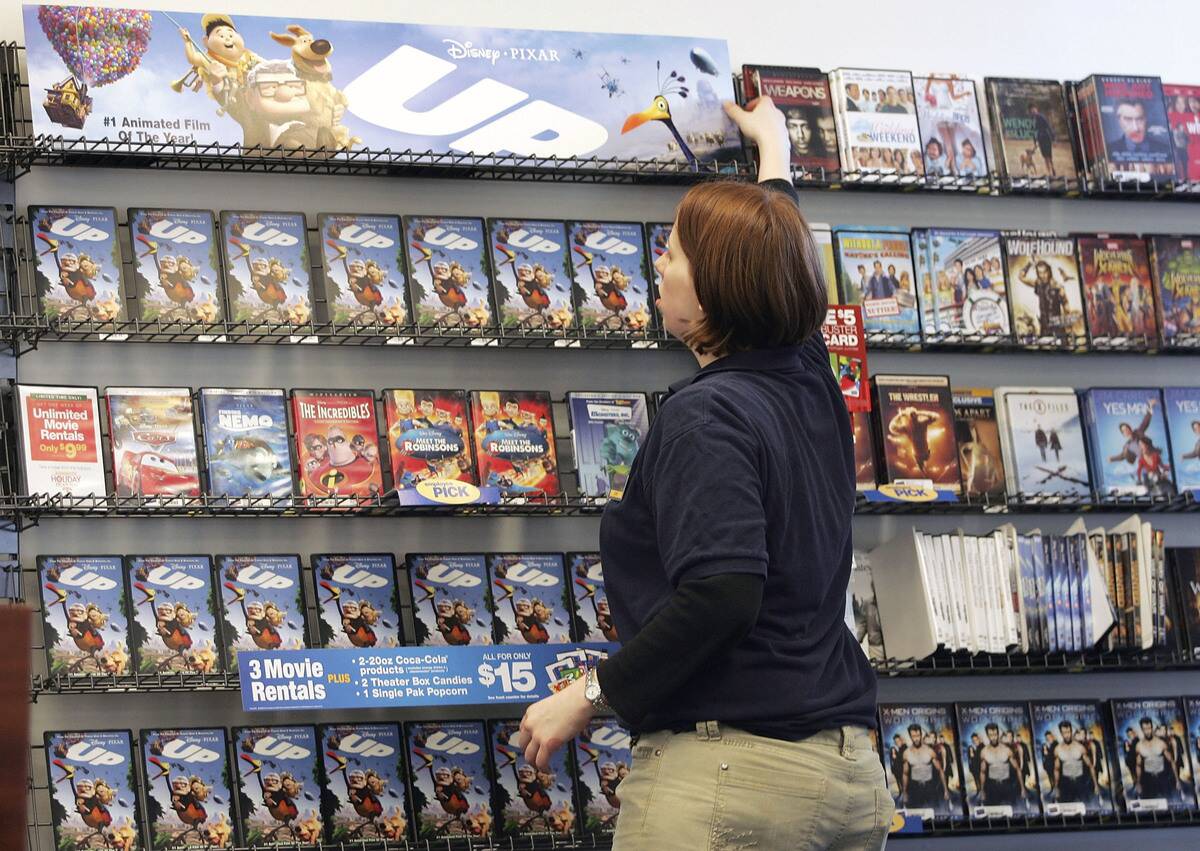
Photo by Tim Boyle/Bloomberg via Getty Images
Few things annoyed movie renters more than Blockbuster's late fees, but those penalties were incredibly profitable. At the company's peak in 2000, late fees reportedly generated about $800 million and made up roughly 16% of Blockbuster's total revenue. For a business built on renting VHS tapes and DVDs, forgotten return dates turned into a massive source of income.
The company tried to get rid of late fees in 2004 as it faced growing competition from Netflix. However, without penalties, customers often held onto popular movies for extended periods, creating inventory problems. Blockbuster eventually brought the fees back, though the revenue they generated steadily declined. By 2009, late fees accounted for about $134 million, or roughly 3% of revenue. Just a few years later, the once-dominant rental giant shut down its remaining corporate-owned stores.
Toy Story played up to its ambitions
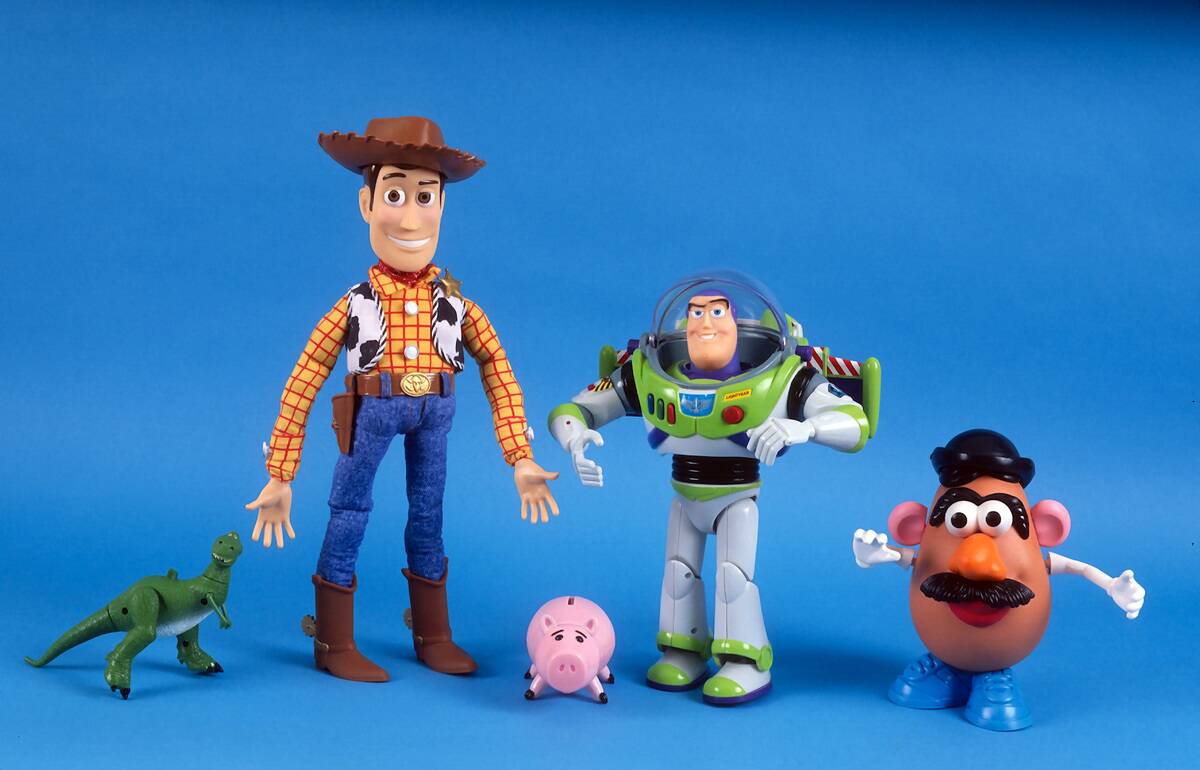
Photo by Yvonne Hemsey/Getty Images
Believe it or not, Toy Story 2 was never supposed to be a big-screen event. Disney originally planned the sequel as a low-budget, direct-to-video release, similar to the many straight-to-VHS animated sequels that were common throughout the 1990s. Pixar even started work on the project with a smaller team and a much tighter production schedule because it wasn't expected to get a theatrical run.
As development continued, though, it became clear the movie was far more ambitious than a typical home-video sequel. After seeing the footage, Disney decided to upgrade it to a full theatrical release. That decision forced Pixar to expand production and overhaul parts of the film under intense time pressure. When Toy Story 2 finally arrived in theaters in 1999, it became both a major box-office hit and a critical favorite, with many fans and critics ranking it alongside—or even above—the original.
Carrie Bradshaw was almost portrayed very differently
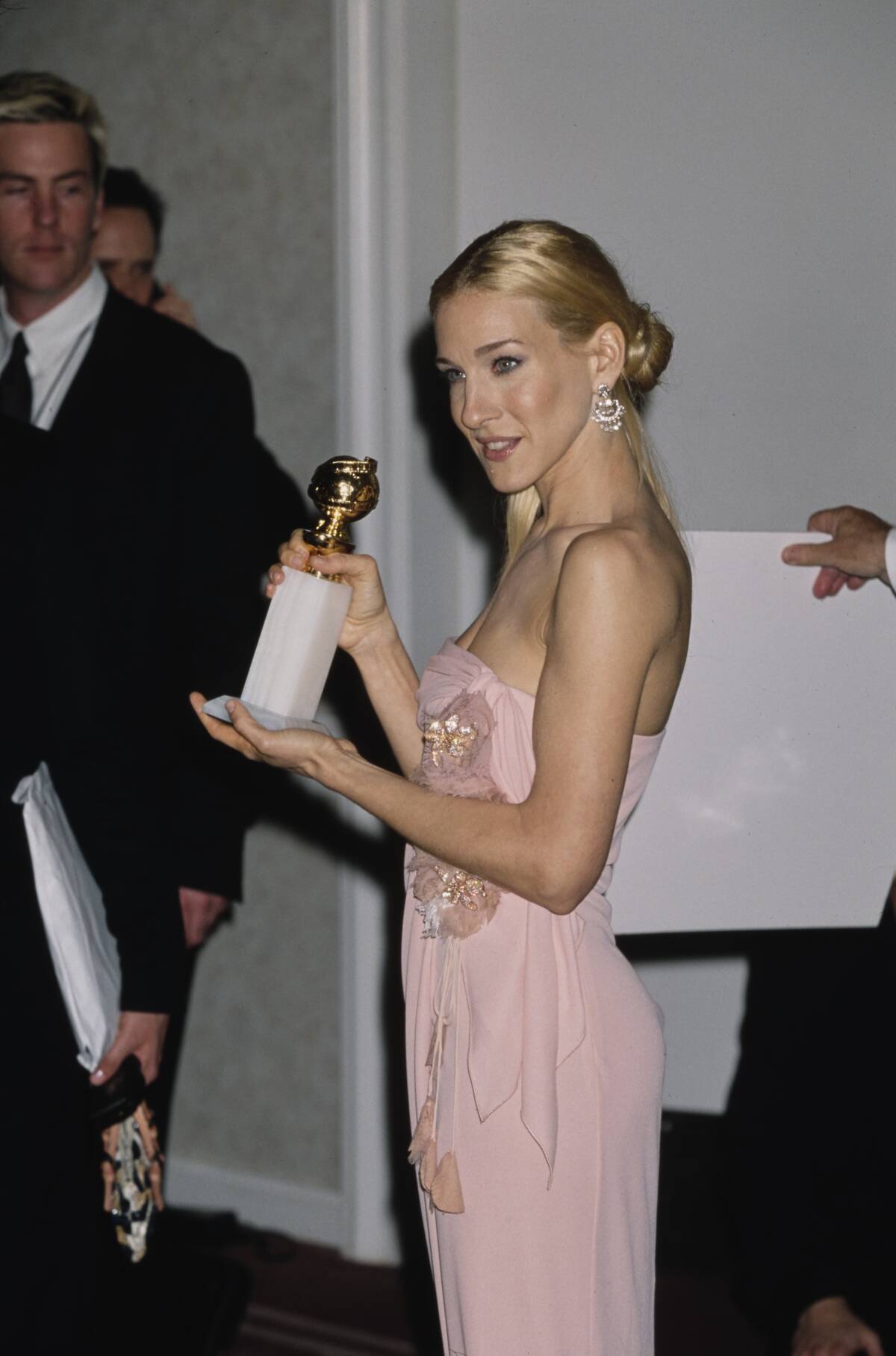
Photo by Vinnie Zuffante/Getty Images
The iconic opening credits of Sex and the City almost looked very different. Most fans remember Carrie Bradshaw strolling through New York in a pink top and white tutu before getting splashed by a passing bus. The outfit became one of the show's most recognizable images and perfectly captured Carrie's playful, stylish personality. But before that version was chosen, the production team filmed an alternate opening. Instead of the tutu, Carrie wore a knee-length blue dress, and rather than getting splashed by a bus displaying her column ad, she tripped on the street. Creator Darren Star later said the unused sequence was intended as a tribute to The Dick Van Dyke Show. In the end, though, costume designer Patricia Field and Sarah Jessica Parker championed the tutu version—and it became television history.